


Illustration by Ian Hurley
What Are LA’s Hottest Startups of 2022? See Who VCs Picked in dot.LA’s Annual Survey
In Los Angeles—like the startup environment at large—venture funding and valuations skyrocketed in 2021, even as the coronavirus pandemic continued to surge and supply chain issues rattled the economy. The result was a startup ecosystem that continued to build on its momentum, with no shortage of companies raising private capital at billion-dollar-plus unicorn valuations.
In order to gauge the local startup scene and who’s leading the proverbial pack, we asked more than 30 leading L.A.-based investors for their take on the hottest firms in the region. They responded with more than two dozen venture-backed companies; three startups, in particular, rose above the rest as repeat nominees, while we've organized the rest by their amount of capital raised as of January, according to data from PitchBook. (We also asked VCs not to pick any of their own portfolio companies, and vetted the list to ensure they stuck to that rule.)
Without further ado, here are the 26 L.A. startups that VCs have their eyes on in 2022.

1. Whatnot ($225.4 million raised)
Whatnot was the name most often on the minds of L.A. venture investors—understandably, given its prolific fundraising year. Whatnot raised some $220 million across three separate funding rounds in 2021, on the way to a $1.5 billion valuation.
The Marina del Rey-based livestream shopping platform was founded by former GOAT product manager Logan Head and ex-Googler Grant LaFontaine. The startup made its name by providing a live auction platform for buying and selling collectables like rare Pokémon cards, and has since expanded into sports memorabilia, sneakers and apparel.
2. Boulevard ($40.3 million raised)
Boulevard’s backers include Santa Monica-based early-stage VC firm Bonfire Ventures, which focuses on B2B software startups. The Downtown-based company fits nicely within that thesis; Boulevard builds booking and payment software for salons and spas. The firm has worked with prominent brands such as Toni & Guy and HeyDay.

3. GOAT ($492.7 million)
GOAT launched in 2015 as a marketplace to help sneakerheads authenticate used Air Jordans and other collectible shoes. It has since grown at a prolific rate, expanding into apparel and accessories and exceeding $2 billion in merchandise sales in 2020. The startup sealed a $195 million funding round last summer that more than doubled its valuation, to $3.7 billion.
The Best of the Rest
VideoAmp ($578.6 raised)
Nielsen competitor VideoAmp gathers data on who's watching what across streaming services, traditional TV and social apps like YouTube. The company positions itself as an alternative to so-called "legacy" systems like Nielsen, which it says are "fragmented, riddled with complexity and inaccurate." In addition to venture funding, its total funding figure includes more than $165 million in debt financing.
Mythical Games ($269.4 million raised)
Seizing on the NFT craze, Mythical Games is building a platform that powers the growing realm of “play-to-earn games.” Backed by NBA legend Michael Jordan and Andreessen Horowitz, the Sherman Oaks-based startup’s partners include game publishers Abstraction, Creative Mobile and CCG Lab.
FloQast ($202 million raised)
FloQast founder Michael Whitmire says he got a “no” from more than 100 investors in the process of raising a seed round. Today, the accounting software company is considered a unicorn.

Nacelle ($70.8 million raised)
Nacelle produces docuseries, books, comedy albums and podcasts. The media company’s efforts include the Netflix travel series “Down To Earth with Zac Efron.”
Wave ($66 million raised)
A platform for virtual concerts, Wave has hosted performances by artists including Justin Bieber, Tinashe and The Weeknd. The company says it has raised $66 million to date from the likes of Warner Music and Tencent.
Papaya ($65.2 million raised)
Sherman Oaks-based Papaya looks to make it easier to pay “any” bill—from hospital bills to parking tickets—via its mobile app.
LeaseLock ($63.2 million raised)
Based in Marina del Rey, LeaseLock says it’s on a mission to eliminate security deposits for apartment renters.
Emotive ($58.1 million raised)
Emotive sells text message-focused marketing tools to ecommerce firms like underwear brand Parade and men's grooming company Beardbrand.
Dray Alliance ($55 million raised)
Based in Long Beach, Dray says its mission is to “modernize the logistics and trucking industry.” Its partners include Danish shipping company Maersk and toy maker Mattel.

Coco ($43 million raised)
Coco makes small pink robots on wheels (you may have seen them around town) that deliver food via a remote pilot. Its investors include Y Combinator and Silicon Valley Bank.
HiveWatch ($25 million raised)
HiveWatch develops physical security software. Its investors include former Twitter executive Dick Costollo and NBA star Steph Curry’s Penny Jar Capital.

Popshop ($24.5 million raised)
Whatnot competitor Popshop is betting that live-shopping is the future of ecommerce. The West Hollywood-based firm focuses on collectables such as trading cards and anime merchandise.

First Resonance ($19.4 million raised)
Founded by former SpaceX engineer Karan Talati, First Resonance runs a software platform for makers of electric cars and aerospace technology. Its clients include Santa Cruz-based air taxi company Joby Aviation and Alameda-based rocket company Astra.
Open Raven ($19 million raised)
Founded by Crowdstrike and Microsoft alums, Open Raven aims to protect user data. The cybersecurity firm’s investors include Kleiner Perkins and Upfront Ventures.
Fourthwall ($17 million raised)
When an actor faces the camera and speaks directly to the audience, it’s known as “breaking the fourth wall.” Named after the trope, Venice-based Fourthwall offers a website builder that’s designed for content creators.
The Non Fungible Token Company ($15 million raised)
The Non Fungible Token Company creates NFTs for musicians under the name Unblocked. Its investors include Jay Z’s Marcy Venture Partners and Shawn Mendez.
Safe Health Systems ($15 million raised)
Backed by Mayo Clinic Ventures, Safe Health develops telehealth software and offers tools for enterprises to launch their own health care apps.
Intro ($11.6 million raised)
Intro’s app lets you book video calls with experts—from celebrity stylists, to astrologists, to investors.
DASH Systems ($8.5 million raised)
With the tagline “Land the package, not the plane,” DASH Systems is a Hawthorne-based shipping company that builds hardware and software for automated airdrops.

Ettitude ($3.5 million raised)
With a focus on sustainability, Ettitude is a direct-to-consumer brand that sells bedding, bathroom textiles and sleepwear.

Afterparty ($3 million raised)
Along similar lines as Unblocked, Afterparty creates NFTs for artists and content creators such as Clay Perry and Tropix.

Heart to Heart ($0.75 million raised)
Heart to Heart is an audio-focused dating app that “lets you listen to the story behind the pictures in a profile.” Precursor Ventures led the pre-seed funding round.

Frigg (undisclosed)
Frigg makes hair and beauty products that contain cannabinoids such as CBD. The Valley Village-based company raised an undisclosed seed round in August.
From Your Site Articles
- The Early-Stage Startups in LA Set to Take Off in 2021 - dot.LA ›
- Los Angeles Startups Closed a Record Number of Deals in Q3 - dot.LA ›
- dot.LA's Map of Startups in Los Angeles - dot.LA ›
- The Hottest LA Startups of 2020 - dot.LA ›
- Los Angeles Cleantech Incubator Launches Green Loan Fund - dot.LA ›
- dot.LA's Guide on L.A. Flight Startups Overair, Archer Aviation - dot.LA ›
- Here Are LA’s Hottest Startups for 2023 - dot.LA ›
- Nobody Studios Plans to Build 100 Startups in Five Years - dot.LA ›
- From GameTree to Sota — Ukrainian Founders Call LA Home - dot.LA ›
Related Articles Around the Web

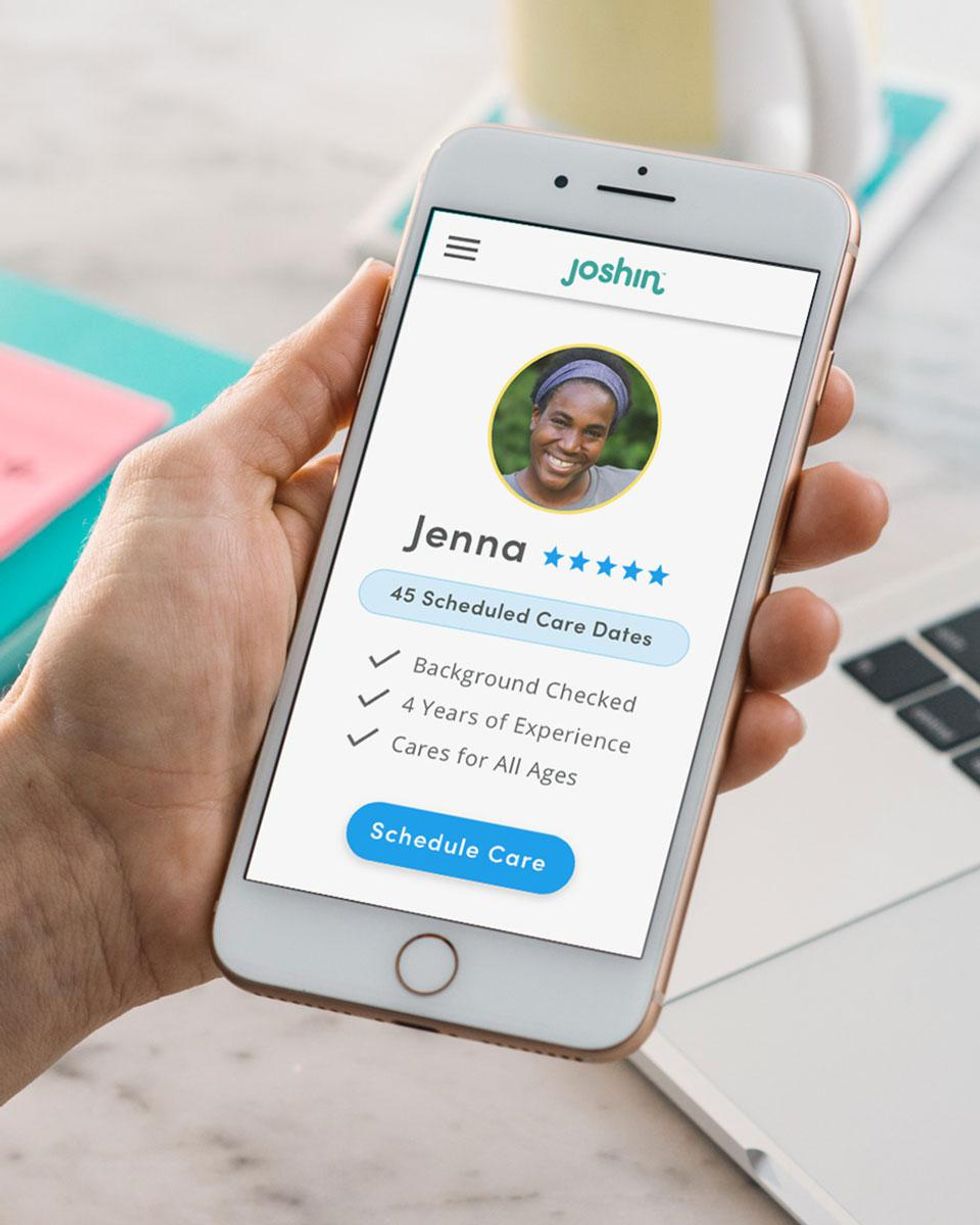
Joshin vets and trains caregivers for disabled individuals and connects them through its app with specific caregiving jobs posted by families in need. The service launched this week in Los Angeles, along with Minneapolis, Chicago, New York City and Seattle. The families can use the app to create structured, specific care plans for their loved ones while they're gone and schedule regular appointments.
"It really came to light as we saw marketplaces emerge where you could get groceries delivered, you could be picked up by a Lyft, but really in the disability space it continued to be un-digitized," co-founder Melanie Fountaine said. "We felt it was time to see how big of an impact you could make by leveraging technology — but backed by a human mission."
This week, Minnesota-based Joshin raised a $3 million seed round from the Autism Impact Fund and Anthemis Group to expand nationwide and court more corporate clients. The goal is to be in all 50 states within the next year, its founders said.
Founded from Experience
Startup founders and twin sisters Fountaine and Melissa Danielsen know firsthand the challenges that come with providing quality care to a disabled loved one.
Growing up in a Native American family in Minnesota, the twins and their family didn't have easy access to resources many of us take for granted, including health care. Their brother Josh had epilepsy and was diagnosed with brain cancer, which required around-the-clock care. After Josh passed away 12 years ago at age 29, Fountaine and Danielsen processed their pain, in part, by throwing themselves into creating companies that could help other people in their brother's situation live better.
Danielsen is Joshin's CEO, while Fountaine serves as chief operating officer.
"Melissa and I grew up on a farm in northern Minnesota with limited natural resources and support," Fountaine told dot.LA. "Our family was very blue collar and often working so Melissa and I were caretakers and we're so grateful to have had the opportunity to learn those skills and to be who we are today because of it."
One in 5 American kids have health needs that require intense care, according to the CDC.. The twins observed that most health care is geared towards children up to age 12, or adults over 65 — but the middle section of adults with special needs is often ignored.
"Over 112 million Americans have a complex need which is about 30% of the employee population," Fountaine said. "They're spending 10 times the amount of time than the average employee on managing care, and we really feel like the care benefits that are out there aren't specifically designed for them," she added.
"We hear a lot about childcare backup benefits, or just childcare in general, which drops off after 12, and we do hear about elder care, but that picks up at 65. What's missing and the key now is ages 13 to 64," Fountaine said. "
She added that the Biden administration is "really focused on the care infrastructure, and specifically around Medicaid," which excites her. "We're seeing advancements in the care economy that we're really excited about, and we feel like Joshin is really positioned to be that leader in complex care," Fountaine added.
While there are ample disability startups, not many focus on providing care directly to the wide range of ages Joshin is targeting. A similar company is Sprout Therapy, which provides in-home therapy to autism patients and operates in L.A. In Australia, AbleFinder operates a social network for families of children with disabilities. Most firms — like Silicon Valley-based CarePredict — focus on wearable devices for emergency alerts and communicating with care providers, but don't actually send out caregivers.
Digital health care services are on the rise, but few are targeting Joshin's specific niche. According to
PitchBook, "venture investment in retail health & wellness companies surged in Q3 2020, with $2.3 billion" invested in over 100 deals. The digital and mobile health market is expected to surge 385% to $173.8 billion nationally in the next three years.
COVID's Impact on Health Care Startups
The sisters' first company, Josh's Place,provided in-home care and accommodations for adults with disabilities across Minnesota and was bought out in 2019. The twins took what they learned from Josh's Place and founded Joshin in 2018, naming another startup after their brother with the goal of expanding it far beyond the Midwest.
"Joshin is the only digital platform that provides access for people with special needs to vetted, qualified care providers," Autism Impact Fund co-founder Chris Male said in a statement Tuesday. "The mission of The Autism Impact Fund is to revolutionize the status quo for diagnosing, treating and living with autism through a venture capital model, and we are proud to invest in Joshin as they continue empowering families and individuals through a service that can help transform that quality of life for countless people."
The twins said Joshin has seen user growth up 200% over the past year. Over 3,000 people, both caregivers and patients, use the Joshin platform now and the pandemic accelerated demand.
"The pandemic has really shone a light on the need for care in general," Danielsen said. "42% of companies are planning to expand their employee care benefits in the next two years, because these Zoom cameras are showing how much families need that."
Joshin has roughly 20 employees and is hiring, including for a sales lead. It plans to use the funding to train more care providers and become active in more cities. Danielsen said the bigger goal is to court large companies and convince them to add Joshin as part of an employee benefit package. Right now they're in talks with "several Fortune 100 companies" after pitching this week.
The twins also said they hope their work with Joshin inspires more Native American founders to create their own businesses to meet community needs.
"Melanie and I really value that part of who we are," Danielsen said. "If we're talking about diversity, equity and inclusion -- the resolve and resiliency we have, part of the reason why we have it is that other piece of us."
From Your Site Articles
- Wavemaker 360 Health Announces $100 Million Fund Aimed at ... ›
- Holistic Health Kenshō Raises $3.5 Million - dot.LA ›
- Can Blockchain Technology Revolutionize Health Care? - dot.LA ›
- Auticon Raises $4M to Grow Tech Jobs for Autistic Adults - dot.LA ›
Related Articles Around the Web
https://twitter.com/samsonamore
samsonamore@dot.la