


Illustration by Ian Hurley
What Are LA’s Hottest Startups of 2022? See Who VCs Picked in dot.LA’s Annual Survey
In Los Angeles—like the startup environment at large—venture funding and valuations skyrocketed in 2021, even as the coronavirus pandemic continued to surge and supply chain issues rattled the economy. The result was a startup ecosystem that continued to build on its momentum, with no shortage of companies raising private capital at billion-dollar-plus unicorn valuations.
In order to gauge the local startup scene and who’s leading the proverbial pack, we asked more than 30 leading L.A.-based investors for their take on the hottest firms in the region. They responded with more than two dozen venture-backed companies; three startups, in particular, rose above the rest as repeat nominees, while we've organized the rest by their amount of capital raised as of January, according to data from PitchBook. (We also asked VCs not to pick any of their own portfolio companies, and vetted the list to ensure they stuck to that rule.)
Without further ado, here are the 26 L.A. startups that VCs have their eyes on in 2022.
1. Whatnot ($225.4 million raised)
Whatnot was the name most often on the minds of L.A. venture investors—understandably, given its prolific fundraising year. Whatnot raised some $220 million across three separate funding rounds in 2021, on the way to a $1.5 billion valuation.
The Marina del Rey-based livestream shopping platform was founded by former GOAT product manager Logan Head and ex-Googler Grant LaFontaine. The startup made its name by providing a live auction platform for buying and selling collectables like rare Pokémon cards, and has since expanded into sports memorabilia, sneakers and apparel.
2. Boulevard ($40.3 million raised)
Boulevard’s backers include Santa Monica-based early-stage VC firm Bonfire Ventures, which focuses on B2B software startups. The Downtown-based company fits nicely within that thesis; Boulevard builds booking and payment software for salons and spas. The firm has worked with prominent brands such as Toni & Guy and HeyDay.

3. GOAT ($492.7 million)
GOAT launched in 2015 as a marketplace to help sneakerheads authenticate used Air Jordans and other collectible shoes. It has since grown at a prolific rate, expanding into apparel and accessories and exceeding $2 billion in merchandise sales in 2020. The startup sealed a $195 million funding round last summer that more than doubled its valuation, to $3.7 billion.
The Best of the Rest
VideoAmp ($578.6 raised)
Nielsen competitor VideoAmp gathers data on who's watching what across streaming services, traditional TV and social apps like YouTube. The company positions itself as an alternative to so-called "legacy" systems like Nielsen, which it says are "fragmented, riddled with complexity and inaccurate." In addition to venture funding, its total funding figure includes more than $165 million in debt financing.
Mythical Games ($269.4 million raised)
Seizing on the NFT craze, Mythical Games is building a platform that powers the growing realm of “play-to-earn games.” Backed by NBA legend Michael Jordan and Andreessen Horowitz, the Sherman Oaks-based startup’s partners include game publishers Abstraction, Creative Mobile and CCG Lab.

FloQast ($202 million raised)
FloQast founder Michael Whitmire says he got a “no” from more than 100 investors in the process of raising a seed round. Today, the accounting software company is considered a unicorn.

Nacelle ($70.8 million raised)
Nacelle produces docuseries, books, comedy albums and podcasts. The media company’s efforts include the Netflix travel series “Down To Earth with Zac Efron.”
Wave ($66 million raised)
A platform for virtual concerts, Wave has hosted performances by artists including Justin Bieber, Tinashe and The Weeknd. The company says it has raised $66 million to date from the likes of Warner Music and Tencent.
Papaya ($65.2 million raised)
Sherman Oaks-based Papaya looks to make it easier to pay “any” bill—from hospital bills to parking tickets—via its mobile app.
LeaseLock ($63.2 million raised)
Based in Marina del Rey, LeaseLock says it’s on a mission to eliminate security deposits for apartment renters.
Emotive ($58.1 million raised)
Emotive sells text message-focused marketing tools to ecommerce firms like underwear brand Parade and men's grooming company Beardbrand.
Dray Alliance ($55 million raised)
Based in Long Beach, Dray says its mission is to “modernize the logistics and trucking industry.” Its partners include Danish shipping company Maersk and toy maker Mattel.

Coco ($43 million raised)
Coco makes small pink robots on wheels (you may have seen them around town) that deliver food via a remote pilot. Its investors include Y Combinator and Silicon Valley Bank.
HiveWatch ($25 million raised)
HiveWatch develops physical security software. Its investors include former Twitter executive Dick Costollo and NBA star Steph Curry’s Penny Jar Capital.

Popshop ($24.5 million raised)
Whatnot competitor Popshop is betting that live-shopping is the future of ecommerce. The West Hollywood-based firm focuses on collectables such as trading cards and anime merchandise.

First Resonance ($19.4 million raised)
Founded by former SpaceX engineer Karan Talati, First Resonance runs a software platform for makers of electric cars and aerospace technology. Its clients include Santa Cruz-based air taxi company Joby Aviation and Alameda-based rocket company Astra.
Open Raven ($19 million raised)
Founded by Crowdstrike and Microsoft alums, Open Raven aims to protect user data. The cybersecurity firm’s investors include Kleiner Perkins and Upfront Ventures.

Fourthwall ($17 million raised)
When an actor faces the camera and speaks directly to the audience, it’s known as “breaking the fourth wall.” Named after the trope, Venice-based Fourthwall offers a website builder that’s designed for content creators.

The Non Fungible Token Company ($15 million raised)
The Non Fungible Token Company creates NFTs for musicians under the name Unblocked. Its investors include Jay Z’s Marcy Venture Partners and Shawn Mendez.

Safe Health Systems ($15 million raised)
Backed by Mayo Clinic Ventures, Safe Health develops telehealth software and offers tools for enterprises to launch their own health care apps.

Intro ($11.6 million raised)
Intro’s app lets you book video calls with experts—from celebrity stylists, to astrologists, to investors.

DASH Systems ($8.5 million raised)
With the tagline “Land the package, not the plane,” DASH Systems is a Hawthorne-based shipping company that builds hardware and software for automated airdrops.

Ettitude ($3.5 million raised)
With a focus on sustainability, Ettitude is a direct-to-consumer brand that sells bedding, bathroom textiles and sleepwear.

Afterparty ($3 million raised)
Along similar lines as Unblocked, Afterparty creates NFTs for artists and content creators such as Clay Perry and Tropix.

Heart to Heart ($0.75 million raised)
Heart to Heart is an audio-focused dating app that “lets you listen to the story behind the pictures in a profile.” Precursor Ventures led the pre-seed funding round.

Frigg (undisclosed)
Frigg makes hair and beauty products that contain cannabinoids such as CBD. The Valley Village-based company raised an undisclosed seed round in August.
From Your Site Articles
- The Early-Stage Startups in LA Set to Take Off in 2021 - dot.LA ›
- Los Angeles Startups Closed a Record Number of Deals in Q3 - dot.LA ›
- dot.LA's Map of Startups in Los Angeles - dot.LA ›
- The Hottest LA Startups of 2020 - dot.LA ›
- Los Angeles Cleantech Incubator Launches Green Loan Fund - dot.LA ›
- dot.LA's Guide on L.A. Flight Startups Overair, Archer Aviation - dot.LA ›
- Here Are LA’s Hottest Startups for 2023 - dot.LA ›
- Nobody Studios Plans to Build 100 Startups in Five Years - dot.LA ›
- From GameTree to Sota — Ukrainian Founders Call LA Home - dot.LA ›
Related Articles Around the Web

Image by Ian Hurley
Among the top talent was Abha Nath, a 25 year-old investor at Wonder Ventures, who invested early in WhatNot, a social ecommerce company that aims to change the way users shop through live video. She's a big believer in the L.A. tech scene.
"This market is well-positioned for success because of its diversity in industry and diversity in thought – something that is demonstrated by the composition of L.A.'s population," said Nath.
Eric Pakravan, a 29 year-old investor at TenOneTen, first got acquainted with L.A.'s tech scene working at the mobile game unicorn Scopely. He has his eye on industries traditionally "underserved by tech, namely hospitality, wholesale and logistics."
Almost all the investors said they're not just looking for the right idea, but for the right founder.
"I hope to increase early stage funding access to startups founded by BIPOC in Los Angeles," said Jawhara Tariq, 28, an investor at M13. (Black, Latino and Latina founders have received just 2.6% of all venture capital funding in 2020, according to a Crunchbase report.)
Below are the top ranked investors, ordered by the number of mentions they received from the VCs we spoke to:
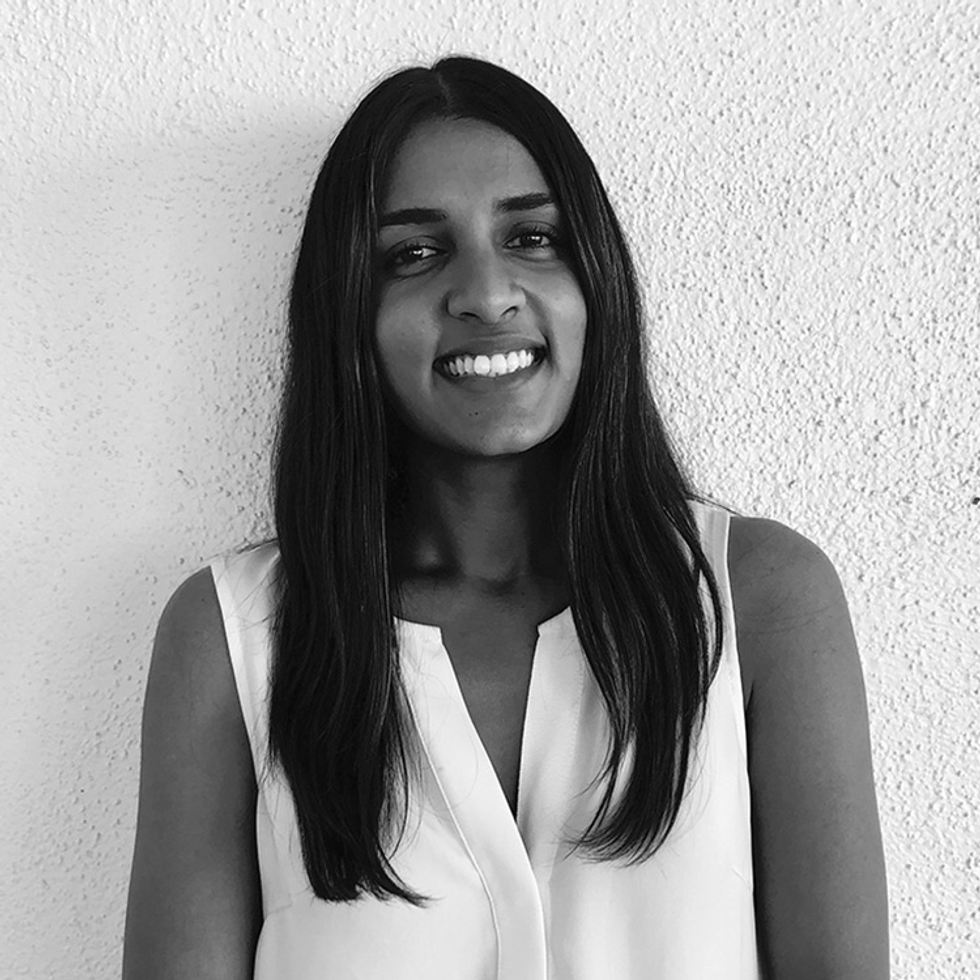
Abha Nath, Wonder Ventures
Abha Nath
Abha Nath is a 25-year-old investor at Wonder Ventures, rounding out seed firm's nimble two person team. She started her career in the Disney Accelerator Program, investing in later-stage companies, including Epic Games, Kahoot!, Brit+Co, and Hoodline. "I largely attribute my break to great timing and luck," she said. She met Dustin Rosen, managing partner of Wonder Ventures, several years ago and the two kept in touch before she joined in 2018. Nath says she is most excited about Whatnot, a social commerce company that is changing the way users shop through live video.
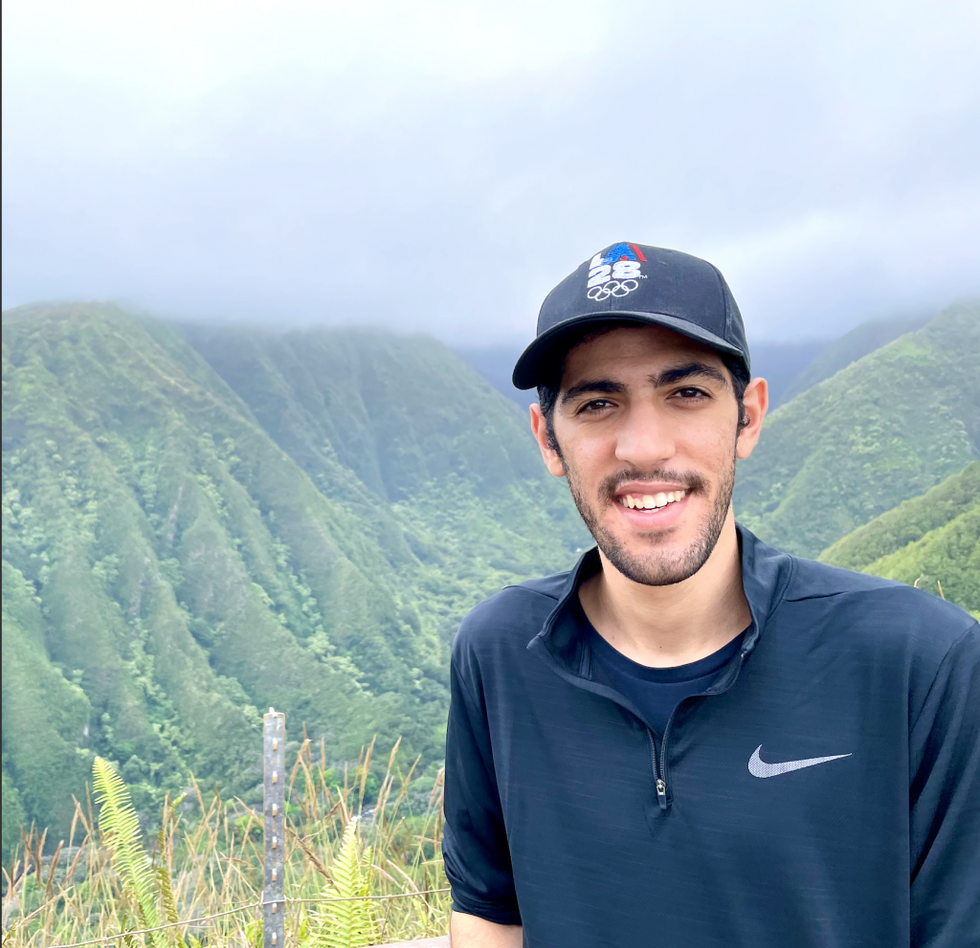
Eric Pakravan, TenOneTen
Eric Pakravan
Eric Pakravan is a 29-year-old investor at the software focused TenOneTen. His experience working at Scopely during its early days piqued his curiosity about what made successful seed companies."That experience opened my eyes to the emerging tech scene that was beginning to take shape in LA.," he said. "I very quickly knew that I wanted to be a part of it. And the greatest perk was that it meant I could build a career in tech, and do it in L.A." The experience also inspired him to start LavaLab, a student-led incubator at USC. The LA-native, joined TenOneTen Ventures last year. He invests in sectors he considers have mostly been underserved by tech – namely hospitality, wholesale, and logistics. His investments include Selfbook, a booking experience for hotels, as well as Candid Wholesale and Optimal Dynamics.
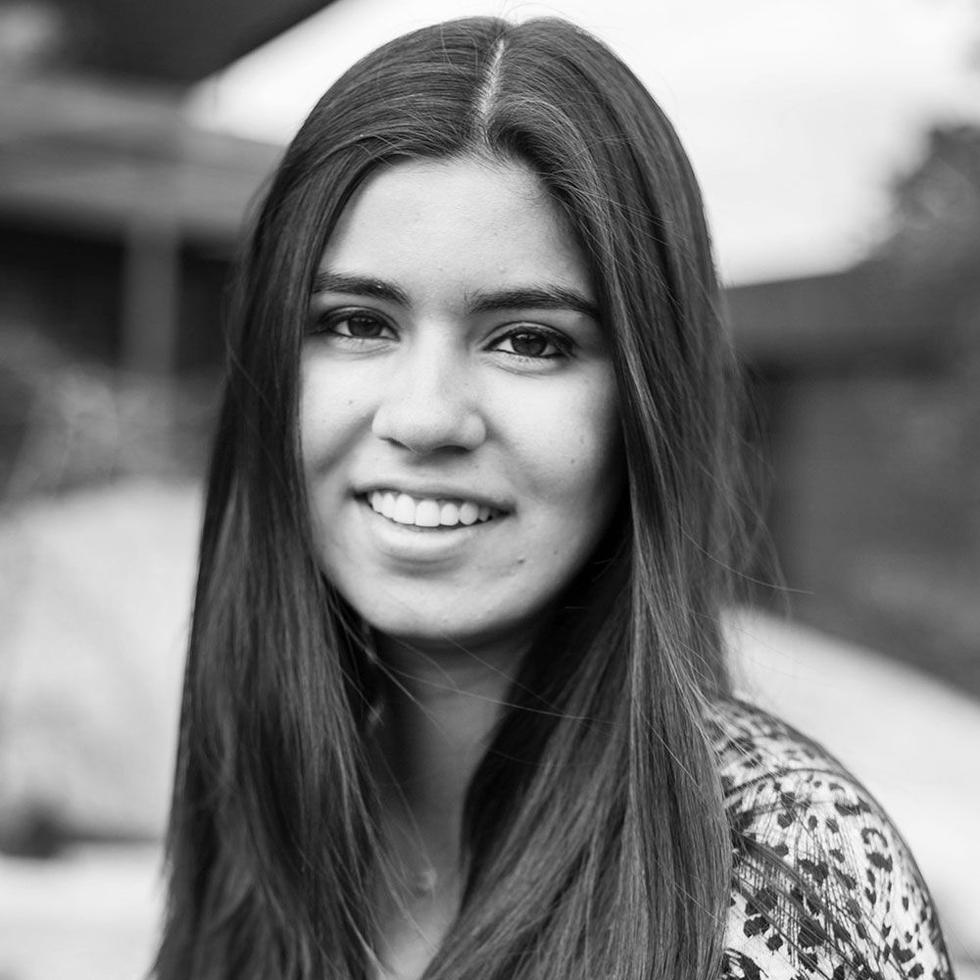
Adriana Saman, Clocktower Technology
Adriana Saman
Adriana Saman is a 28-year-old investor at Clocktower Technology Ventures, which focuses on early Fintech startups. Saman started her career as an Investment Banker at JP Morgan. Originally from Ecuador, she is focused on increasing global access to financial services through fintech and other instruments. "I aspire to make a meaningful difference in the democratization of financial services in Latin America – we've started strong with a dedicated vehicle, but there's still lots to get done," she said. She said her values have led her down this path. "I think the prior steps I took in my career, pursuing a genuine interest to make a difference in global access to financial services, made it easier to bond with the Clocktower team, as they shared a similar vision", says Saman.

Brittany Walker, CRV
Brittany Walker
Brittany Walker is a 28-year-old investor at CRV, which invests in enterprise, consumer and biotech. A former Deloitte consultant, Walker holds an MBA from the Wharton School, where she sourced investments for the Dorm Room Fund. Tackling gender parity has been a priority for Walker. She co-created Interchange, the first free job board focused solely on L.A. startups. Its aim is to make the industry more accessible to diverse candidates. "I'm trying to get more female founders funded in enterprise and help more women start enterprise companies," said Walker. Among her investments is Storyboard, a platform for privately sharing podcasts and audio.

Alaina Hartley, Greycroft
Alaina Hartley
Alaina Hartley is a 25-year-old investor at Greycroft. She says she landed the job without connections. "I didn't have existing networks in venture capital – I actually first connected with Greycroft by sending a cold LinkedIn message requesting an informational interview," she said. She came from Bain & Company, where she consulted across private equity, technology and media and retail practices. Previously, she worked on brand strategy initiatives for Snap Inc.'s first hardware product, Spectacles."My objective is to identify emerging leaders in the consumer and consumerized enterprise spaces and to provide them with actionable insights and support to accelerate the realization of their visions," she said. Hartley is excited about one of her recent investments, Haystack, an intranet platform that centralizes company communications.
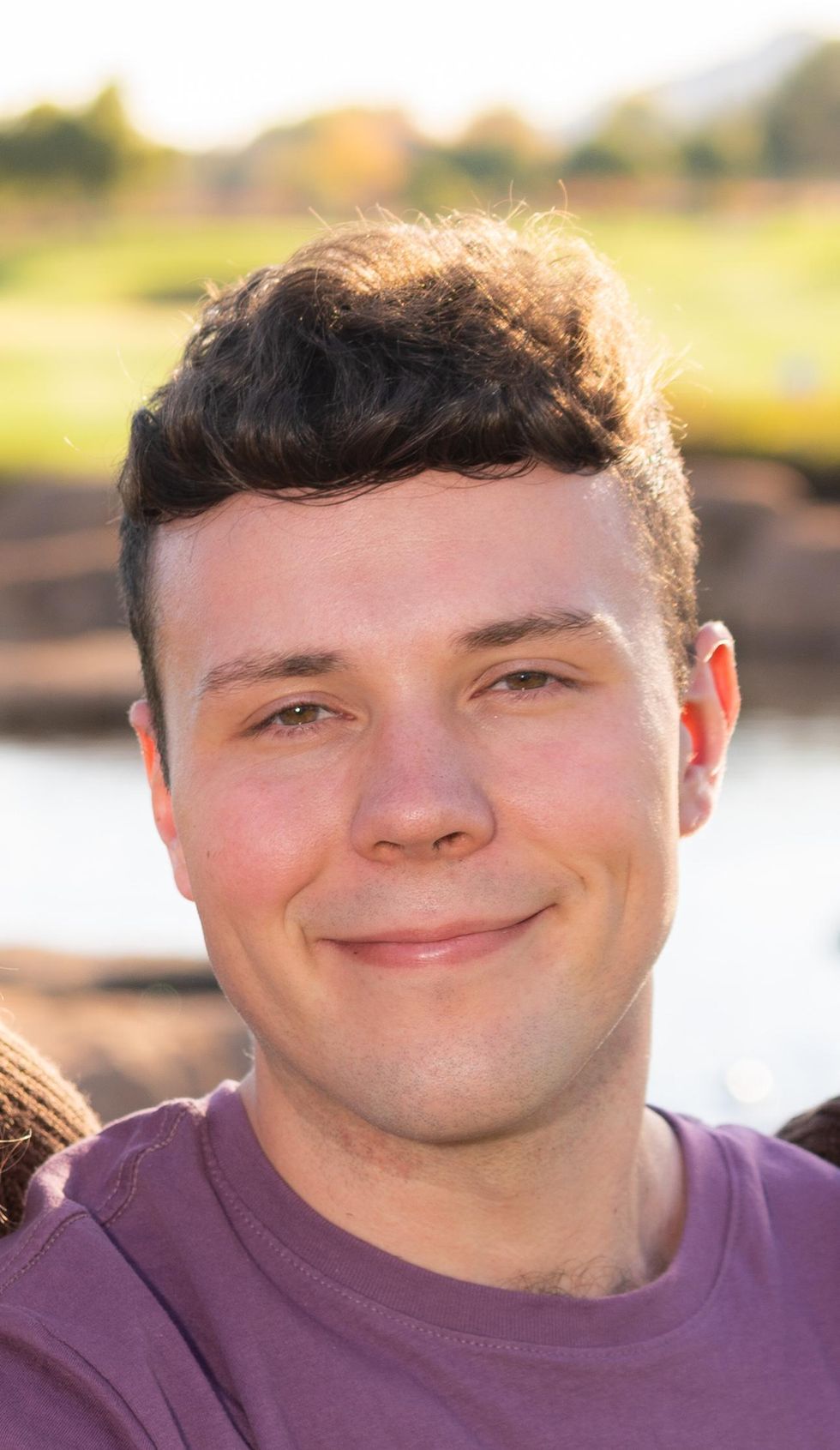
Connor Sundberg, Amplify
Connor Sundberg
Connor Sundberg is a 26-year-old investor at Amplify. He says his move from Chicago to L.A. was motivated by seeing the success of Ring, Snap, Scopely, and Dollar Shave Club. Previously, he worked in banking, but decided he was more interested in VC. "I've always believed in paying attention to where the people you respect are spending their time, and all roads kept leading to the LA startup ecosystem- from friends bootstrapping projects of their own, to others joining companies," he said. His investments include startups that could change how care is coordinated, delivered, and paid for such as: Advkekit, Honeybee, and SafeRide. Sundberg hopes to make Amplify a first-check platform that works for L.A. companies, specifically by creating a support system beyond capital and building founders up.
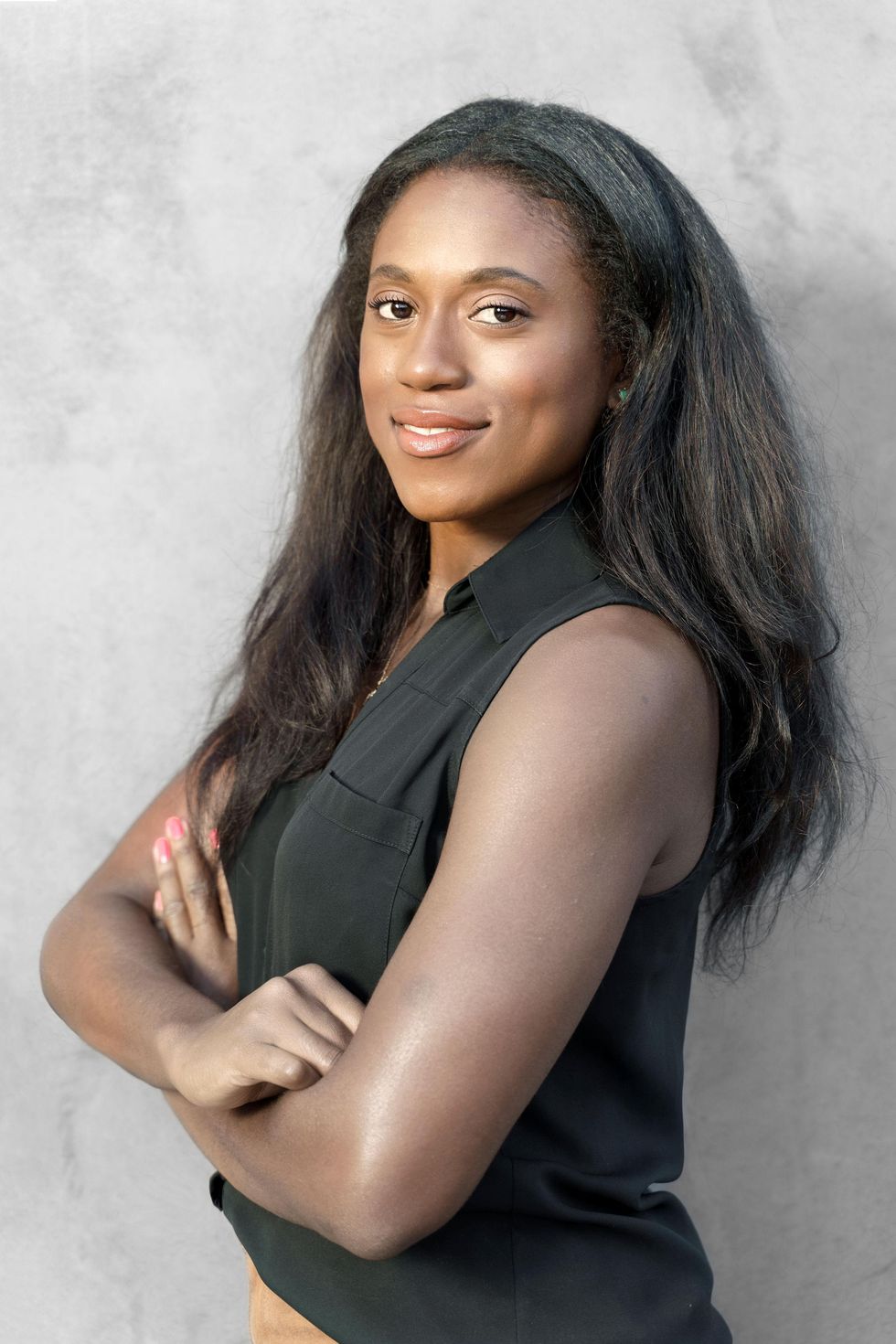
Jawhara Tariq, M13
Jawhara Tariq
Jawhara Tariq, a 28-year-old investor at consumer-focused venture firm M13. She began her career working in nonprofits and philanthropy before she decided she wanted to try making an impact through capitalism. Previously, she was a venture capital associate at Moonshots Capital, where her investment profile included: Nok, Steereo, and Copper Labs.
"I am looking for founders who are unstoppable forces; the entrepreneurs who have the audacity to dream up a world that looks, feels, and operates differently than the one we live in today."
The L.A. native hopes to facilitate access to funding for BIPOC-led startups and continue to back LA's rising entrepreneurs.
Editor's Note: This post has been updated to reflect that one of the investors recently moved out of L.A.
Lead image by Ian Hurley
From Your Site Articles
- Here Are the Investors Still Writing Checks During the Coronavirus ... ›
- Here Are Los Angeles' Top Venture Capitalists - dot.LA ›
- Beyond Capital CEO Eva Yazhari on Investing With Purpose - dot.LA ›
- Moonshots Capital Raises a New Fund II - dot.LA ›
- Top LA Angel Investors 2021: McInerney, Rascoff and Lee - dot.LA ›
- Flip Social Beauty App Raises $28 Million Series A - dot.LA ›
- HoneyBee Financial Brings Financial Wellness To Workers - dot.LA ›
- Like Etsy, But for Latinos. Shop Latinx Makes a Debut - dot.LA ›
Related Articles Around the Web
https://twitter.com/thebenbergman
ben@dot.la

This week, some of its biggest companies put money behind an AI startup promising to build something for them instead.
Los Angeles-based Stability AI raised $76M in Series B funding from an investor group that includes Electronic Arts, Sony Music Group, Universal Music Group and Warner Music Group. AMD Ventures and Pacific Alliance Ventures also joined the round, while LA-based MANTIS Capital and Sound Ventures are among the company’s existing backers.
The financing brings Stability AI’s total funding under CEO Prem Akkaraju to $232M, including two equity rounds and convertible notes. The company plans to use the new capital to expand its creative production tools, applied research and professional services across music, gaming and entertainment.
The amount is notable. The names attached to it are the bigger story.
Generative AI’s arrival in entertainment has been anything but quiet. Artists have questioned whether their work was used to train models without permission. Studios have faced pressure over how the technology could affect jobs. Record labels have pursued AI companies in court while simultaneously exploring how the same technology might fit into their businesses.
Now, several of the world’s largest entertainment companies are investing directly in one.
That does not mean the industry has resolved its concerns about AI. It means some of its biggest players would rather help shape the technology than wait to see what it becomes.
Stability AI is positioning itself for that opening. Rather than focusing solely on general-purpose models, the company is building tools specifically for professional creatives. Its recently launched Stable Audio 3.0 was trained on fully licensed music and lets artists generate, edit and arrange audio through a web platform or directly inside digital audio workstations.
 Image Source: Stability AI
That licensed-data approach is central to the pitch. The next phase of creative AI will not be decided only by which company produces the most impressive model. It will also depend on which companies can earn the trust of the artists, studios and rights holders whose work gives those models value.
For its new strategic investors, the round offers more than financial upside. It creates a closer view into how generative AI may change production, a voice in how the tools develop and an opportunity to establish rules before those rules are established for them.
For Stability AI, the backing provides something equally important: credibility inside industries that have every reason to scrutinize what it is building.
The company now has capital and access to some of the largest catalogs, franchises and creative workforces in entertainment. What it does with that access will determine whether this becomes a meaningful alliance or simply an impressive collection of logos.
Either way, the industry is no longer watching from a safe distance.
It has entered the room.
LA’s Air-Taxi Plans Are Coming Downtown
While Stability AI is trying to change how entertainment gets made, Archer Aviation wants to change how people get to it.
AEG and Archer announced plans to develop downtown Los Angeles’ first vertiport at L.A. LIVE, creating a potential new stop in Archer’s proposed electric air-taxi network ahead of the 2028 Olympic and Paralympic Games.
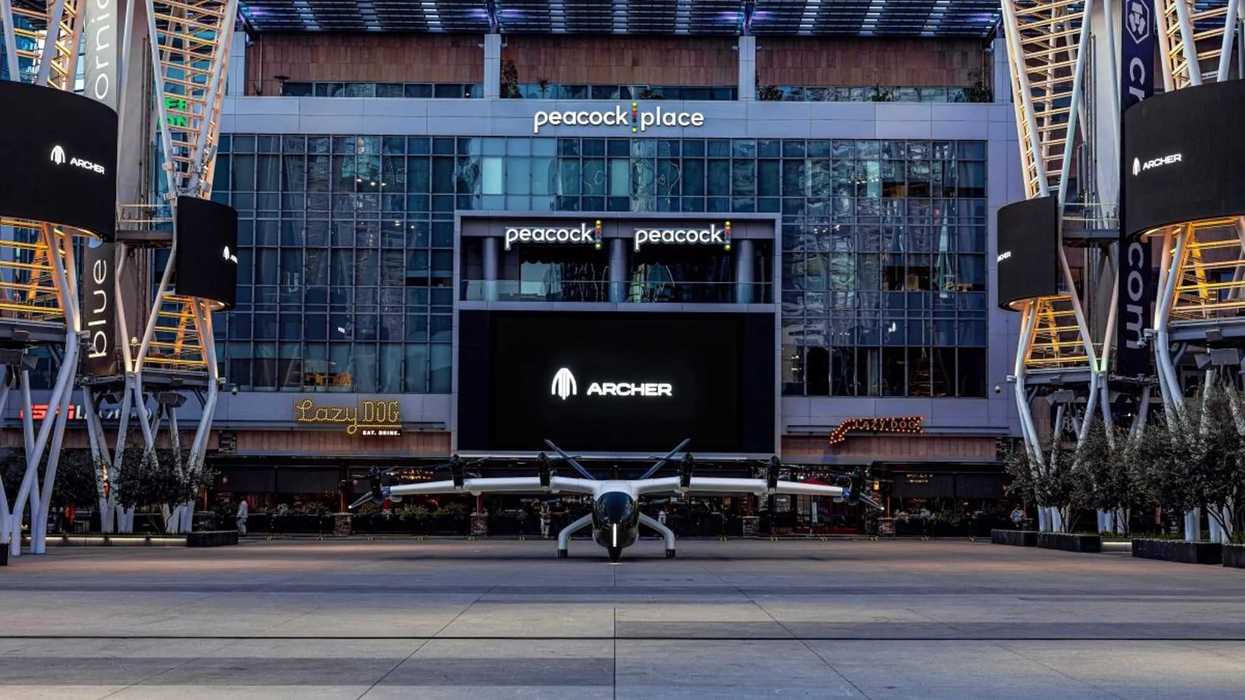 Image Source: Archer
The planned site would sit beside Crypto.com Arena and allow passengers to travel to and from the entertainment district aboard Archer’s Midnight aircraft. The company says its network could turn drives that take an hour or longer into electric flights lasting approximately 10 to 20 minutes.
Archer has already identified SoFi Stadium, USC and Hollywood Burbank Airport as possible locations, with its recently acquired Hawthorne Airport expected to serve as the network’s central operating hub. As the official air-taxi provider of LA28 and Team USA, Archer has an unusually visible deadline for turning those plans into something tangible.
AEG and Archer have completed an initial feasibility study of the L.A. LIVE site, including reviews of land use, airspace, power availability and community impact. The next phase will examine operations and the passenger experience.
There is still a substantial distance between a proposed vertiport and a functioning air-taxi network. The infrastructure must be built, regulatory approvals must be secured and passengers must be persuaded that flying across the city is safer and more practical than staying on the ground.
Still, few locations could make that future feel more real than L.A. LIVE. Millions of people already pass through the district for concerts, games and major events. Placing a vertiport there would bring urban air mobility out of the concept stage and directly into public view.
Together, this week’s announcements show Los Angeles becoming a testing ground for two technologies still moving from promise toward everyday use.
One could reshape how entertainment is created. The other could reshape how Angelenos reach it.
In a city famous for both its creative industries and its traffic, that feels appropriately on brand.
More from this week’s LA startup and venture scene below.
🤝 Venture Deals
LA Companies
- Atorie raised a $9.5M seed round from investors including a16z speedrun, Night Capital and Lightspeed Venture Partners’ Jeremy Liew. The AI-powered fashion startup connects consumers directly with luxury manufacturers to offer high-quality goods without traditional designer markups, and will use the funding to expand logistics, production and its AI shopping tools. - learn more
- Long Beach-based Maglut Heavy Industries emerged from stealth with $3.1M in pre-seed funding from Wave Function, Nova Threshold and Julian Capital. The startup is developing a chromatography-based system to process and refine rare earth elements domestically, with pilot tests producing materials at more than 99.9% purity. - learn more
LA Venture Funds
- MANTIS Venture Capital participated in Voya Energy’s $35M Series A, led by Energy Impact Partners and joined by John Doerr, StepStone, Founders Fund, Overmatch and Seven Stars. The Hayward-based startup will use the funding to commercialize its aluminum-fueled generators, which provide clean, off-grid power for data centers and other energy-intensive operations without combustion or local air emissions. - learn more
- Regeneration.VC participated in eComID’s $17M seed round, led by Systemiq Capital and joined by Course Corrected, Stadium and returning investor CapitalT. The Stockholm-based startup will use the funding to expand internationally and scale its AI-powered Shopping Passport, which helps retailers personalize sizing and product discovery while reducing returns. - learn more
- Clocktower Technology Ventures participated in Helcim’s $53M Series C, led by BDC Capital’s Growth Venture Fund and joined by new investors Curql Collective and LA-based Gold House Ventures. The Calgary payments company will use the funding to expand its platform, develop additional financial services and serve more small and midsize businesses across North America. - learn more
LA Exits
- Altruist agreed to be acquired by Vanguard, giving the Los Angeles-based wealth technology and custody platform greater resources to expand its tools for independent financial advisors. Altruist will continue operating as a standalone business under its existing leadership and brand after the deal closes, which is expected later this year pending regulatory approval; financial terms were not disclosed. - learn more
- Personality AI has been acquired by WildBrain for approximately $11M in cash and 1M WildBrain shares upfront, with additional payments tied to future performance. The startup develops kid-safe conversational AI experiences for entertainment characters, including “Hey Peppa Pig,” and will help WildBrain expand its franchises into interactive products across toys, apps and digital platforms. - learn more