
LA Tech Week: Final Days • Coco’s bots, Anduril’s helmet AI, Impulse’s moon freight

LA Tech Week: Final Days • Coco’s bots, Anduril’s helmet AI, Impulse’s moon freight

🔦 Spotlight

Happy Friday Los Angeles,

Founders are closing out Tech Week, robots are getting a new research brain, space logistics are taking shape, and defense tech just moved mission command into a helmet.

Anduril’s EagleEye: mission command, heads up
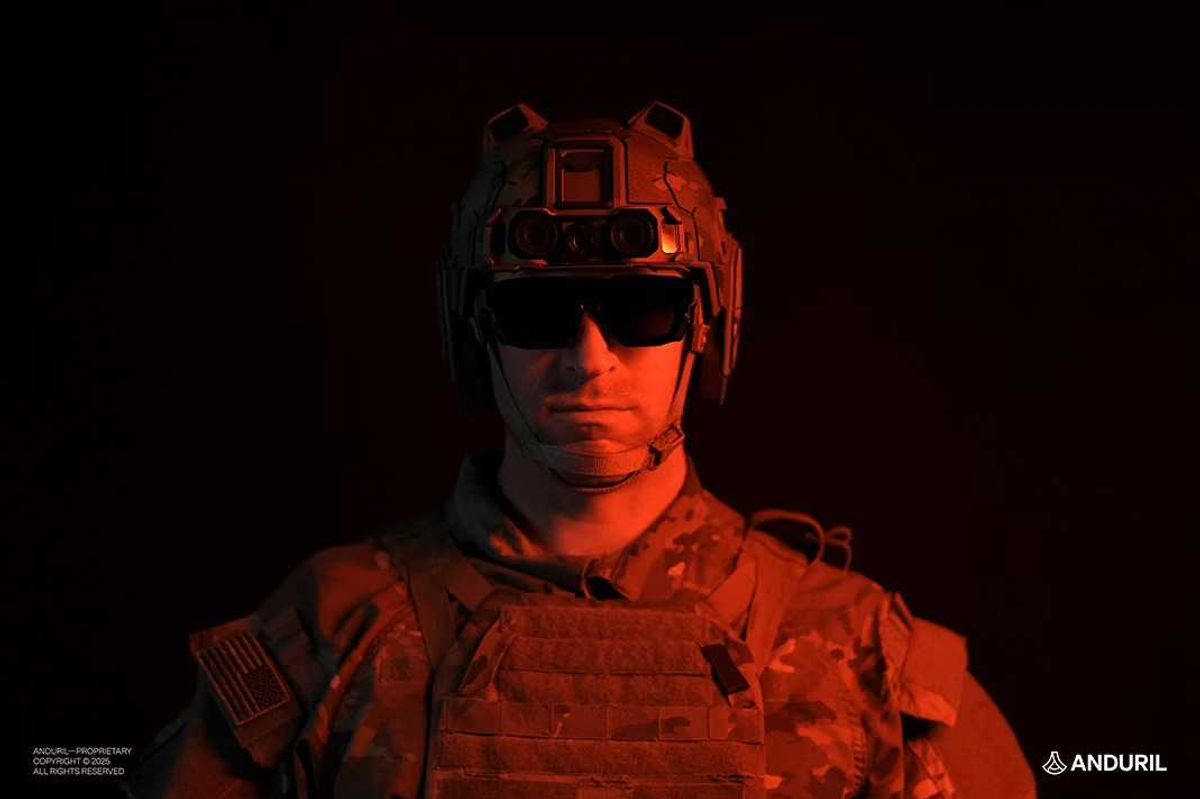
Image Source: Anduril

Anduril introduced EagleEye, a helmet mounted system that puts maps, comms, sensor fusion, and on device AI directly in a warfighter’s line of sight, integrated with the Lattice stack. The goal is simple: less time looking down at a tablet and more decisions made at the edge.

Impulse Space: a practical path to lunar deliveries
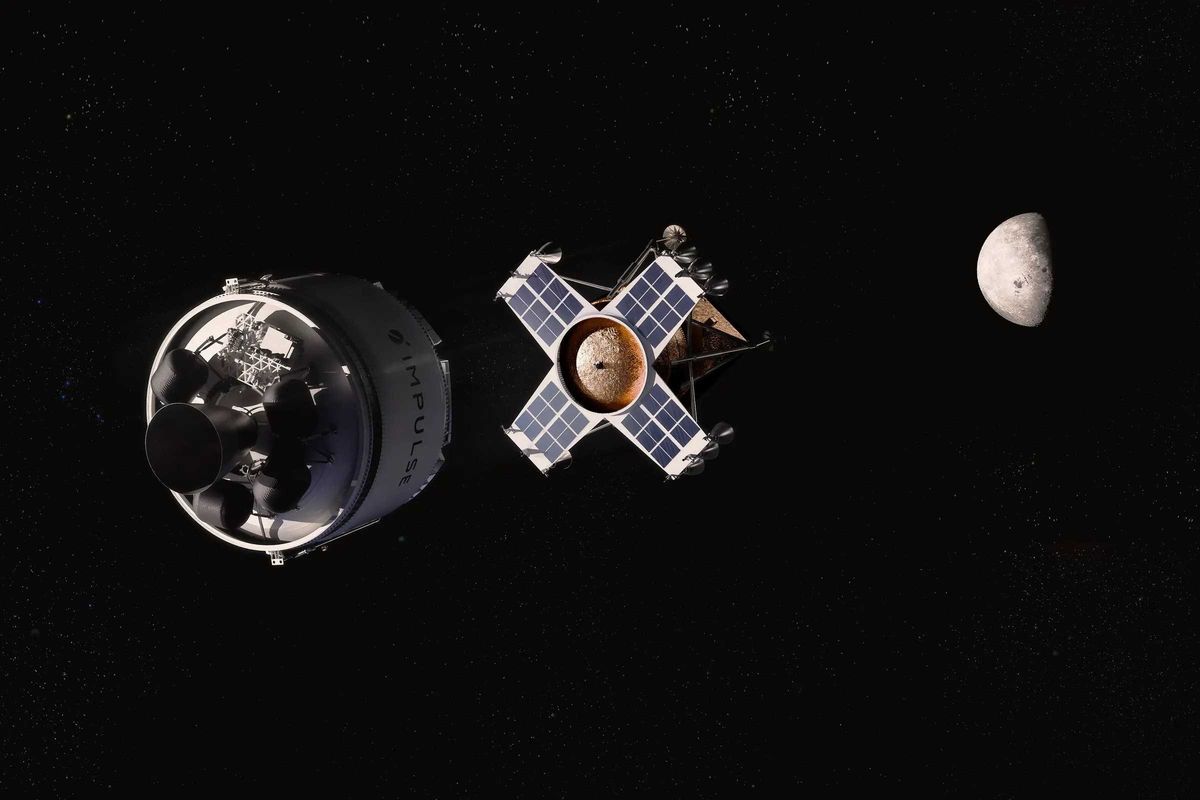
Image Source: Impulse Space

Impulse outlined a two piece ride to the Moon. Its Helios stage ferries an Impulse built lander to lunar orbit in about a week, the lander detaches, then descends to the surface without in-space refueling. The company says each mission could carry about three tons and that starting in 2028 it could run two missions per year for roughly six tons total, filling the gap between today’s small CLPS deliveries and future heavy landers.

Coco Robotics: new lab, new chief AI scientist
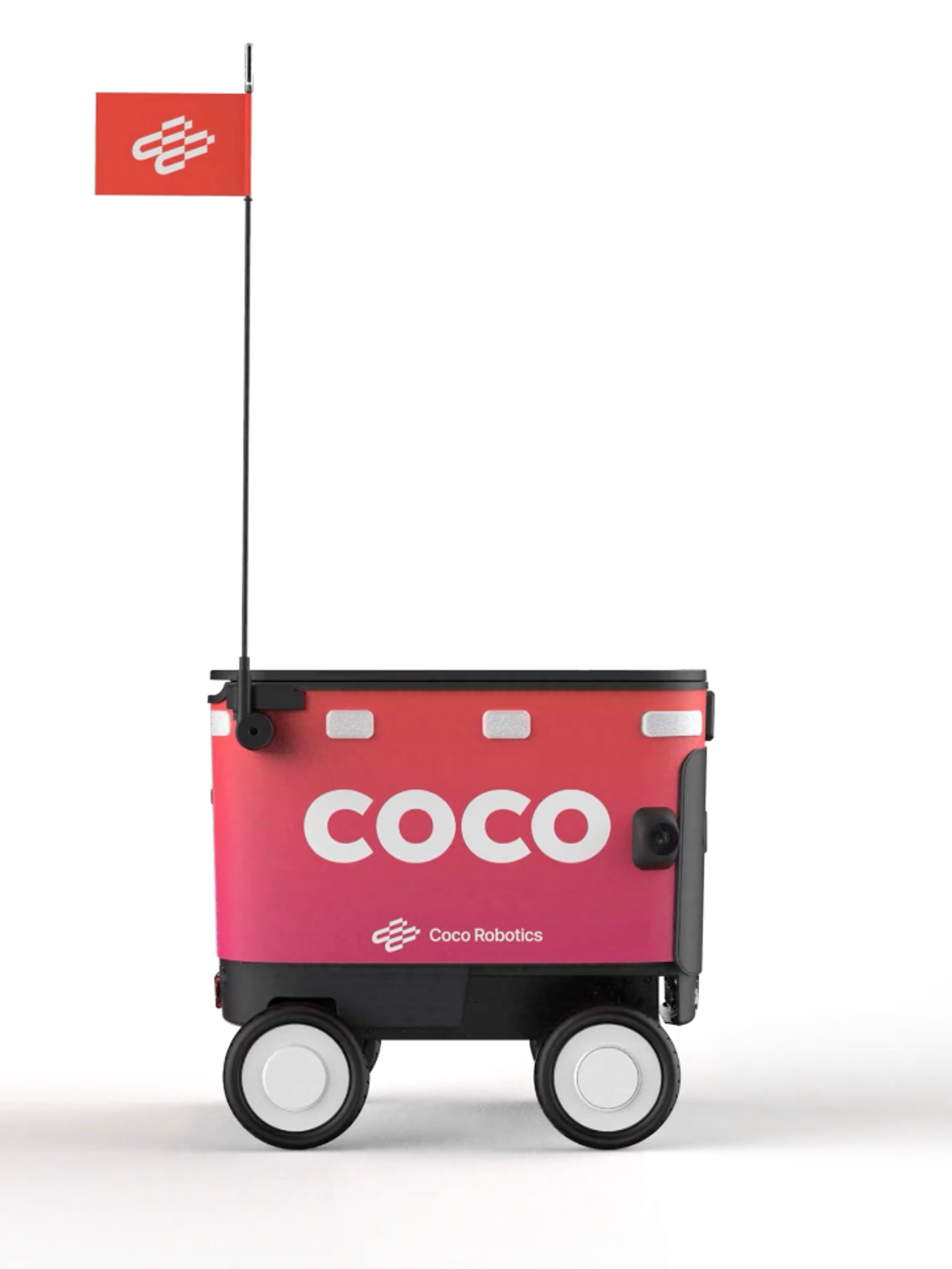
Image Source: Coco Robotics

Coco named UCLA’s Bolei Zhou chief AI scientist and is launching a physical AI research lab to turn years of curbside driving data into faster, more autonomous sidewalk deliveries. Expect quicker iteration from data collection to local models on the bots.

LA Tech Week: last three days

We are down to the final few days of LA Tech Week 2025. If you are still slotting meetings or panels, use the rundowns to plan your route:

Friday's Event Lineup

Saturday’s Event Lineup

Sunday’s Event Lineup

Scroll for the most recent LA venture deals, funds, and acquisitions.

🤝 Venture Deals

      LA Companies

      • Second Nature, an AI role-play training platform for sales and service teams, raised $22M Series B led by Sienna VC with participation from Bright Pixel, StageOne Ventures, Cardumen, Signals VC, and Zoom (also a customer). The company will use the funding to expand operations and advance its platform, which generates AI-driven practice scenarios and feedback for enterprise clients like Oracle, Zoom, Adobe, Teleperformance, and Check Point. - learn more
      • Pelage Pharmaceuticals, a Los Angeles–based biotech developing regenerative treatments for hair loss, raised a $120M Series B co-led by ARCH Venture Partners and GV. Participants include Main Street Advisors, alongside Visionary Ventures and YK Bioventures; proceeds advance PP405, a topical small molecule that reactivates dormant hair-follicle stem cells, toward Phase 3 in 2026 following positive Phase 2a data. - learn more
      • Launchpad, an AI-first robotics company for factory automation, raised an $11M Series A to speed product development and meet demand across the U.S., U.K., and Europe. The round was co-led by Lavrock Ventures and Squadra Ventures, with participation from Ericsson Ventures, Lockheed Martin Ventures, Cox Exponential, and the Scottish National Investment Bank; it follows $2.5M in grant funding from Scottish Enterprise. - learn more
      • Mythical Games raised a Series D round, with a strategic investment from Eightco Holdings alongside ARK Invest and the World Foundation. The partnership focuses on human verification and digital identity in gaming, tapping Worldchain/Worldcoin’s Proof-of-Human infrastructure. The transaction is expected to close the week of October 20. - learn more
      • Electric Entertainment, the L.A. studio behind “Leverage,” “The Librarians,” and “The Ark,” secured a $20M investment from Content Partners Capital. The funding follows CPC’s launch of an investment arm in April 2024 and is aimed at supporting Electric’s growth across production and distribution. - learn more
      • Everyset raised $9M to launch Background Payroll, a SAG-AFTRA approved platform that automates timecards and payroll for background performers, including overtime, penalties, and premiums. The round was led by Crosslink Capital and Haven Ventures, and the company says studios such as Netflix, CBS, Apple TV, Sony, and Amazon already use its tools as it expands into fully integrated background payroll. - learn more
      • TORL Biotherapeutics raised $96M in Series C funding to advance TORL-1-23, its Claudin-6 targeted antibody-drug conjugate, through a pivotal Phase 2 study in platinum-resistant ovarian cancer and into a confirmatory Phase 3 program. The company also reported that updated Phase 1 data for TORL-1-23 will be presented at ESMO 2025, bringing total funding since its 2019 founding to more than $450 million. - learn more
      • The Plug, a plant-based liver health brand, raised $5M in a venture round of equity and debt to fuel marketing and retail expansion after rolling out its Pill Jar in June and entering all Total Wine & More locations nationwide in September. The company is keeping the round open for additional strategic investors and says it recently hit its first profitable month, is pursuing a partnership with a $500 million nutrition telehealth company, and is targeting a 40% boost to gross margins through a new operational milestone. - learn more

      LA Venture Funds

        • Clocktower Technology Ventures participated in MGT’s $21.6M Series B, an oversubscribed round led by Mubadala Capital with Tacora Capital and existing backers also joining. The AI-native commercial P&C neo-insurer for small businesses will use the capital to accelerate R&D, deepen vertical AI capabilities, and expand its E&S initiatives nationwide. - learn more
        • M13 participated in Daylight’s $75M financing, which combines $15M in equity led by Framework Ventures with a $60M project facility led by Turtle Hill Capital. Daylight is building a decentralized energy network that turns homes into mini power plants via a subscription model and crypto-enabled incentives, aiming to lower costs and dispatch battery power back to the grid. - learn more
        • Presight Capital co-led Peptilogics’ $78M Series B2, with Beyond Ventures participating, to fund a Phase 2/3 pivotal trial of zaloganan (PLG0206) for prosthetic joint infections. The raise brings Peptilogics’ total equity financing to about $120M and positions the company to begin the pivotal program in late 2025, pending approvals. - learn more
        • Patron participated in Ego AI’s $6.7M seed round to help the YC-backed startup launch human-like AI characters for games via its new character.world engine. The round also included Y Combinator, Accel, and Boost VC, and the capital will support research on Ego’s proprietary model, which combines small language models with reinforcement learning, plus partnerships in Singapore to scale compute and development. - learn more
        • Untapped Ventures participated in Woz’s $6M seed round, joining Cervin Ventures (lead), Y Combinator, Burst Capital, MGV, and the Lacob family. The funding will help Woz scale its platform that blends agentic AI with expert human oversight to deliver production-ready mobile apps for enterprises. - learn more
        • Perseverance Capital participated in Kailera Therapeutics’ $600M Series B, which was led by Bain Capital Private Equity. The funding advances KAI-9531, an injectable dual GLP-1/GIP agonist, into global Phase 3 trials by year end and supports a broader pipeline of oral and injectable obesity therapies. - learn more
        • March Capital participated in Lila Sciences’ $350M Series A, which lifts the company’s total funding to $550M. The capital will scale Lila’s AI Science Factories and commercialize its “scientific superintelligence” platform for partners across materials, energy, and biopharma. - learn more
        • Mucker Capital participated in Pear Suite’s $7.6M Series A, which was co-led by Rock Health Capital and Nexxus Holdings. The L.A. based company equips community health workers with an AI-powered platform and provider network, and it will use the funding to expand product development, grow its network, and support new Medicaid and Medicare health plan contracts. Other investors include Enable Ventures, The SCAN Foundation, Acumen America, Impact Engine, and the California Health Care Foundation. - learn more
        • Upfront Ventures participated in Renew’s $12M Series A, which was led by Haymaker Ventures with Goldcrest Capital and several Renew customers also investing. Renew’s AI-powered resident retention platform helps apartment operators automate renewals and prevent fraud, and the company says the new funding will scale the product and launch what it calls the industry’s first Resident Referral Network. - learn more
        • Acre Venture Partners co-led Ascribe Bio’s oversubscribed $12M Series A with Corteva to scale its natural crop protection platform and launch Phytalix, a broad spectrum “biofungicide without compromise.” The funding advances Ascribe’s small molecule technology derived from the soil microbiome toward commercial rollout, with participation from Syngenta Group Ventures, Trailhead Capital, Silver Blue, Cultivation Capital, and others. - learn more
        • Alexandria Venture Investments participated in Tr1X’s $50M financing, announced alongside FDA clearance of the IND for TRX319, an allogeneic CAR-Tr1 Treg cell therapy for progressive multiple sclerosis. The funding extends Tr1X’s runway into 2027 and supports a Phase 1/2a dose-escalation trial slated to start in early 2026, while the company continues its TRX103 studies in Crohn’s disease and other indications. - learn more
        • LFX Venture Partners participated in FleetWorks’ $17M funding, which supports the launch and expansion of its “always-on” AI dispatcher for the U.S. trucking industry. The round was led by First Round Capital with participation from Y Combinator and Saga Ventures, and the company says the capital will go toward hiring, commercial rollout, and product development. FleetWorks’ platform automates freight matching between carriers and brokers to speed up bookings and reduce manual calls, emails, and texts. - learn more
        • Clocktower Technology Ventures participated in Yendo’s $50M Series B. The fintech behind a vehicle-secured credit card will use the funding to expand its AI credit platform toward an inclusive digital bank that taps “trapped” consumer equity, aiming to unlock up to $4 trillion from assets like cars and homes for underserved borrowers. - learn more
        • Alpha Edison participated in TransCrypts’ $15M seed round. The company builds a blockchain-based verified-credentials platform to fight AI-driven fraud and plans to expand beyond employment verification into health and education records. - learn more
        • Alexandria Venture Investments participated in Nilo Therapeutics’ $101M Series A, which launched the company to develop medicines that modulate neural circuits to restore immune balance in disease. The round was led by The Column Group, DCVC Bio, and Lux Capital; Nilo also appointed Kim Seth, Ph.D., as CEO and plans to build out New York labs and advance preclinical programs. - learn more
        • Chapter One participated in Glue’s $20M Series A. Glue builds an “agentic team chat” platform that embeds MCP-powered AI directly in workplace messaging, with 35 in-app integrations and support for thousands more via custom MCP servers. The funding will help expand product development and infrastructure as Glue pushes this model to more teams. - learn more
        • StillMark participated in Meanwhile’s $82M raise, backing the Bermuda-regulated bitcoin life insurer as it expands bitcoin-denominated savings, retirement, and life insurance products for individuals and institutions. The round was co-led by Bain Capital Crypto and Haun Ventures with participation from Apollo, Northwestern Mutual Future Ventures, and Pantera Capital, and brings Meanwhile’s 2025 funding to $122 million after an earlier $40 million Series A. - learn more
        • Blue Bear Capital co-led Energy Robotics’ $13.5M Series A with Climate Investment. The Darmstadt-based company provides AI software that lets robots and drones autonomously inspect critical infrastructure, and it will use the funding to scale deployments across energy, chemical, industrial, and utility sites. Customers already include majors like Shell, BP, BASF, Merck, and E.ON, and the company reports more than one million inspections completed to date. - learn more
        • B Capital participated in EvenUp’s $150M Series E, which values the AI legal-tech company at over $2 billion. EvenUp builds AI tools for personal-injury law firms and plans to use the new capital to scale its platform and product suite; the round was led by Bessemer Venture Partners, with investors including REV (LexisNexis) and others. - learn more
        • WndrCo participated in Zingage’s $12.5M seed round to build an AI care-delivery platform for home-based healthcare. Zingage is rolling out “Operator,” which automates scheduling, staffing, billing, and compliance for home care agencies, and “Perform,” which boosts caregiver retention, with the new capital supporting product expansion and go-to-market. The round was led by Bessemer Venture Partners with additional investors including TQ Ventures and South Park Commons. - learn more
        • Alexandria Venture Investments participated in AeroRx Therapeutics’ $21M Series A, which was led by Avalon BioVentures with Correlation Ventures also investing. The funding advances AERO-007, a first-in-class nebulized LABA/LAMA for COPD, into late-stage clinical development aimed at patients who struggle with handheld inhalers. - learn more
        • Alexandria Venture Investments participated in Affinia Therapeutics’ $40M Series C, alongside lead investor NEA and new investor Eli Lilly, to advance its AAV gene therapy pipeline. Proceeds will fund an IND submission in Q4 2025 and initial clinical work for AFTX-201 in BAG3 dilated cardiomyopathy, with a Phase 1/2 trial targeted for Q1 2026. - learn more
        • Clocktower Ventures participated in Vycarb’s $5M seed round, which was led by Twynam with participation from MOL Switch, Hatch Blue, Idemitsu, and SGInnovate. The Brooklyn startup develops sensor-driven, water-based carbon capture and storage systems that convert CO₂ into stable bicarbonate, with the new funding aimed at scaling deployments at industrial sites. - learn more

        LA Exits

        • Empaxis Data Management was acquired by Communify, which is integrating Empaxis’ custodial and accounting data connections and operations expertise into its financial AI platform. The aim is to remove fragmented data so wealth and asset managers can deploy MIND AI apps like Client Stories and Portfolio Stories more quickly with cleaner, unified data. Communify also cites pre-integrations with over 175 market-data vendors to speed rollouts. - learn more
        • TrueCar is being acquired by founder-led Fair Holdings (Scott Painter) in an all-cash deal at $2.55/share (~$227M), with Painter set to return as CEO. A 30-day go-shop runs through Nov. 13, 2025; largest holder Caledonia supports the acquisition, which is expected to close Q4 2025 or early 2026 pending approvals. - learn more
        • Kate Somerville Skincare was acquired by Rare Beauty Brands, as Unilever moves to divest the prestige label it has owned for a decade. The deal includes the skincare and body-care lines as well as the brand’s Melrose Place clinic in Los Angeles; terms weren’t disclosed and closing is expected in Q4 2025 pending approvals. - learn more
        • 3GC Group was acquired by Pandoblox, combining 3GC’s enterprise IT operations and cybersecurity services with Pandoblox’s Themis AI data platform to form a unified, AI-ready data and IT operations offering for mid-market companies. The deal aims to solve fragmented data and IT workflows so growing businesses can get enterprise-grade intelligence, security, and support through a single partner. - learn more
        • The Free Press was acquired by Paramount, and co-founder Bari Weiss will become editor in chief of CBS News as part of the deal. Paramount says the move pairs CBS News’ scale with The Free Press’ voice, with Weiss reporting to CEO David Ellison and working to “modernize” the brand. - learn more
              Download the dot.LA App

              The $100M Plan to Deliver Sunlight After Dark
              Reflect Orbital

              🔦 Spotlight

              Hello, LA.

              Most companies built around solar energy are trying to capture more sunlight.

              Reflect Orbital wants to move it.

              The Hawthorne-based startup is developing satellites equipped with large reflectors that could redirect sunlight from orbit to specific locations on Earth after sunset. The idea sounds borrowed from science fiction, but Reflect Orbital is getting closer to testing whether it can work at commercial scale.

              This week, the company announced $73.5M in new funding, bringing its total raised to more than $100M. Existing investors Sequoia Capital, Lux Capital and Starship Ventures participated alongside new backers including Buckley Ventures, Convective Capital, The Uncommon Group and Salesforce Ventures.

              The funding will support Reflect Orbital’s first satellite launches, continued development of its reflector technology and new commercial partnerships across the energy and lighting industries.

              The company’s premise begins with a familiar limitation: Solar panels stop producing energy when the sun disappears below the horizon, often just as electricity demand is rising.

              Reflect Orbital wants to extend that window.

              Its planned satellites would remain in sunlight while orbiting Earth, then angle their reflectors toward selected areas on the ground. Solar farms could potentially generate electricity beyond daylight hours without acquiring more land or replacing their existing infrastructure.

              The same technology could eventually illuminate disaster zones for search-and-rescue teams, help construction crews work more safely at night and provide light in places without reliable electrical infrastructure.

              That is a considerable expansion from where the company stood two years ago.

              Reflect Orbital raised a $6.5M seed round in 2024 to develop its production vehicles and grow its Hawthorne team. It followed that with a $20M Series A led by Lux Capital in May 2025.

              Now, the company is preparing to leave the warehouse and test its technology where it was designed to operate.

              Reflect Orbital has received Federal Communications Commission approval for its first demonstration mission, Eärendil-1, which is expected to launch in the second quarter of 2027. The satellite will allow the company to study how its reflector deploys and performs in low Earth orbit while gathering data that could shape future versions of the system. Reflect Orbital has also secured additional launch opportunities for 2027, including two dedicated missions with Skyroot Aerospace.

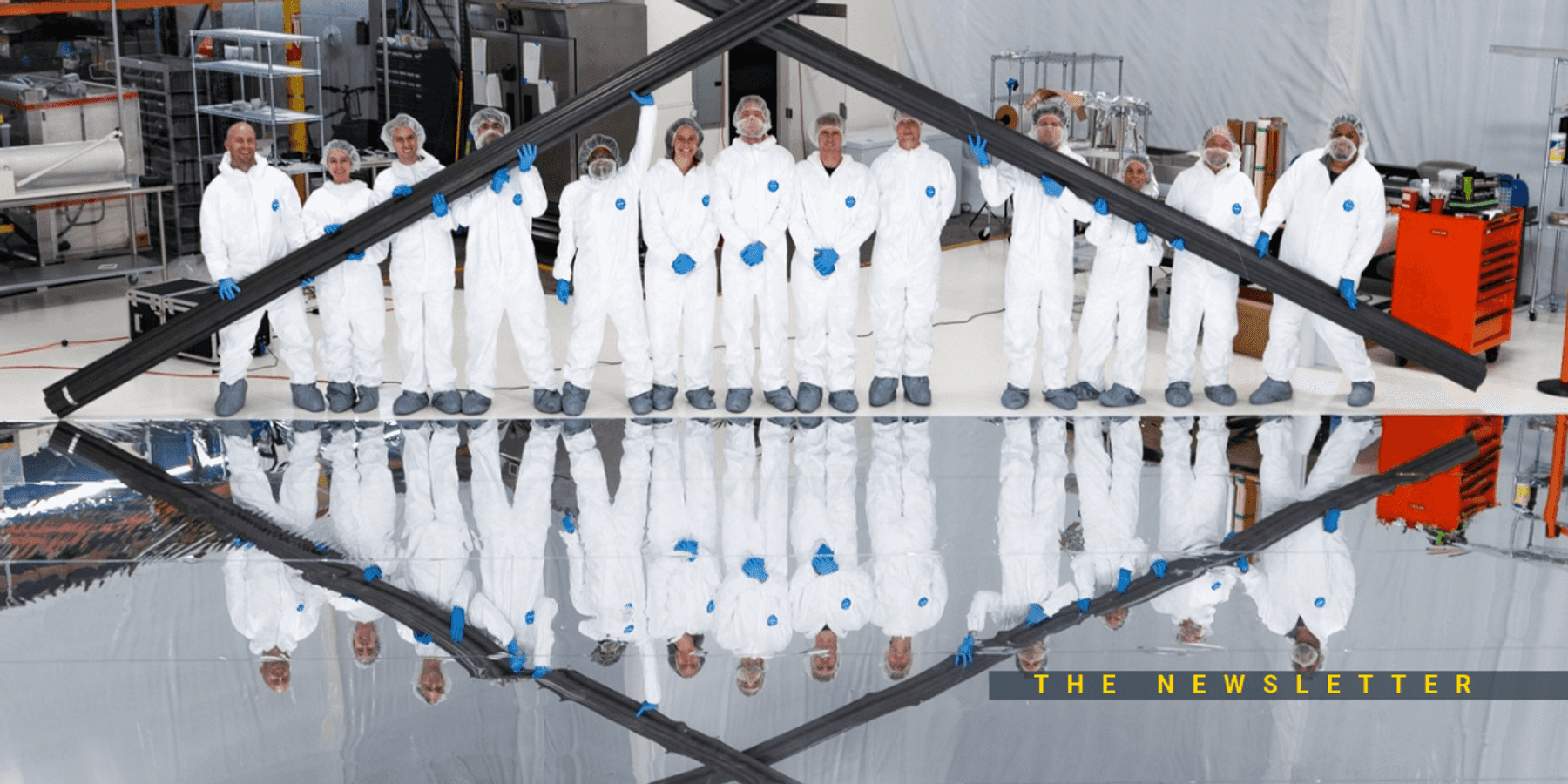
              Building the satellites presents its own unusual manufacturing challenge. According to the company, its team produces reflector material 28 times thinner than a human hair, folds individual sections into packages roughly the size of a shoebox and assembles satellites containing approximately 12,000 parts.

              In other words, delivering sunlight after dark requires some very careful folding.

              The concept has naturally prompted questions from astronomers and dark-sky advocates about light pollution and potential interference with scientific observations. Reflect Orbital says it is designing the service around predictability, transparency and control, including limiting reflections to defined locations and short periods, publishing satellite positions in advance and avoiding observatories and other protected sites.

              The demonstration mission is expected to produce illumination comparable to a full moon for no more than five minutes during the two hours following local sunset. Reflect Orbital has also said it will collect data, invite outside evaluation and use the results to refine both its technology and safeguards before attempting to scale.

              That process will matter because Reflect Orbital is not simply building another satellite. It is proposing a new kind of infrastructure, one that could change when and where sunlight becomes available.

              The company still has significant technical and regulatory work ahead. But it has already moved from an unconventional idea to more than $100M in funding, an approved demonstration mission and multiple launch opportunities.

              The next step is proving that its technology can deliver light precisely, reliably and responsibly from hundreds of miles above Earth.

              If it succeeds, the sun may no longer disappear from the energy grid when it drops below the horizon.

              More from this week’s LA startup and venture scene below.

              🤝 Venture Deals

                LA Companies

                • Helix raised $6.2M in a round led by Chicago Ventures, with participation from BAM Ventures, Aglaé Ventures, Corazon Capital and others. The startup is developing on-device voice technology that verifies whether users are human and estimates their age without collecting traditional identity documents, offering a privacy-focused alternative to CAPTCHA and photo verification. - learn more
                • Opdo raised a $2.3M pre-seed round led by Angular Ventures, with participation from Inflection and Tiny.vc. The company uses AI agents alongside established optical-design software to help engineers develop and manufacture complex components faster, and will use the funding to expand its engineering capabilities, improve its AI tools and support more customer projects. - learn more
                • Athlete To Athlete raised an $8M Series A led by Rally Ventures, with participation from Newbound VC, Scrum Ventures and UpHonest Capital. The platform pairs young athletes with college-athlete mentors for virtual one-on-one guidance and will use the funding to expand youth sports partnerships, strengthen participant safeguards and reach more families nationwide. - learn more
                • Kindo raised $30M in a round co-led by Crosspoint Capital and Forgepoint Capital, bringing its total funding to $57.6M. The company provides a centralized platform for enterprises to monitor and control AI agents, including their data access, activity and costs, and will use the capital to expand sales and further develop its AI management and security products. - learn more

                LA Venture Funds
                • Trousdale Ventures made a follow-on investment in Databento’s $100M Series C, which was led by Fifth Down Capital and valued the market-data company at $1.1B. Databento plans to accelerate its global infrastructure expansion and build a larger historical market-data archive as demand grows from financial institutions and AI companies. - learn more
                • Upfront Ventures led General Translation’s seed round, while Andreessen Horowitz led its Series A, bringing the AI localization startup’s combined funding across the two rounds to $27M. The company is building full-stack infrastructure that helps businesses translate and continuously update apps, websites, documents and videos across languages. - learn more
                • Alpha Edison participated in Q-CTRL’s $290M Series C, which was led by Salesforce Ventures. The quantum infrastructure company will use the funding to expand its AI-powered software for improving the performance and reliability of quantum computers and sensors while accelerating commercial adoption. - learn more
                • KittyHawk Frontier participated in Twin1 AI’s $5M seed extension, which was led by Curql and brought the company’s total seed financing to $25M. Twin1 develops privacy-focused AI “digital twins” that preserve professionals’ knowledge and working context, and will use the capital to expand across credit unions, law firms and financial institutions while growing its teams and enterprise governance tools. - learn more
                • Bonfire Ventures co-led Axle’s $9M funding round alongside Eniac, with participation from Teamworthy Ventures. Axle provides investment banks with a unified platform for managing conferences, corporate access, roadshows and expert engagements, and will use the capital to expand its AI capabilities and bring the product to more financial institutions. - learn more
                • TenOneTen Ventures participated in Tristar AI’s $12.4M Series A, which was led by Isogon Ventures. The Cambridge-based company uses AI-powered visual inspection to identify manufacturing defects in real time and will use the funding to improve its vision and edge-computing platform, enter additional industries and support larger deployments across customer facilities. - learn more
                • Clearlake Capital Group co-led Mirendil’s $1B Series A alongside Kleiner Perkins, with M13 participating among the company’s other new and existing investors. Mirendil is developing AI agents and tools that allow smaller teams to conduct advanced AI research and will use the funding to make frontier-level R&D more accessible to scientists and engineers. - learn more
                • CommonKind VC participated in Akara’s $5.5M funding round, which was led by Locke Health and brought the healthcare technology company’s total funding to $12.3M. Akara combines privacy-preserving sensors, AI agents and robotics to give hospitals real-time visibility into clinical operations, and will use the capital to expand its teams, grow adoption across U.S. hospitals and further develop its physical AI platform. - learn more
                • March Capital co-led Rox’s $100M Series B alongside General Catalyst, valuing the AI sales startup at $1.3B. Rox helps large enterprises automate pipeline generation, deal execution and upselling, and will use the funding to advance its AI models and expand across industries including healthcare, energy, financial services and manufacturing. - learn more
                • Clocktower Technology Ventures participated in Palomma’s $10M Series A, which was led by Cometa and brought the Colombian fintech’s total funding to $14M. Palomma combines AI leasing software, rent payments and financial products for landlords and tenants, and will use the capital to expand in Colombia, develop additional services and prepare for entry into new markets. - learn more
                • Alpha Edison led Agent F’s $4M pre-seed round, with participation from United Founders, Tiny Supercomputer Investment Company and several technology executives and founders. The Berlin startup is building AI-powered enterprise software that automates accounting, financial planning and compliance tasks for fast-growing companies while keeping finance professionals responsible for final approval. - learn more
                • Bail Capital participated in Delix Therapeutics’ oversubscribed $100M Series C, which was co-led by Johnson & Johnson Innovation and SV Health Investors’ Dementia Discovery Fund. The neuroscience company will use the funding to advance its non-hallucinogenic depression treatment Zalsupindole into Phase II development and expand its broader pipeline of therapies for psychiatric and neurodegenerative conditions. - learn more
                • M13 participated in Nominal’s $240M Series C, which was led by Lightspeed Venture Partners and co-led by Insight Partners at a $3B valuation. The hardware intelligence company will use the funding to expand its AI-powered engineering platform, develop new tools across the hardware lifecycle and enter additional industries and markets. - learn more
                • MANTIS Venture Capital participated in Project Omega’s $80M Series A, which was led by B Capital. The nuclear technology company will use the funding to begin building a domestic fuel-recycling facility and advance long-duration power systems that transform materials recovered from used nuclear fuel into energy, reactor feedstock and strategic isotopes. - learn more
                • Critical Frontier participated in Mavria’s latest funding round, which was led by Paradigm and valued the infrastructure startup at $1B. Mavria has raised $130M across its pre-seed and seed rounds to scale manufacturing, secure supply chains and build factory-produced data centers designed to bring AI computing capacity online faster and at lower cost. - learn more

                  Download the dot.LA App

                  Northwood’s Nine-Month Rise to $2B
                  Northwood

                  🔦 Spotlight

                  Happy Friday, Los Angeles.

                  Nine months ago, Northwood Space was operating from a 35,000-square-foot facility in Torrance. Today, it occupies a factory more than five times the size, has deployed six ground sites across two continents and is reportedly worth $2B.

                  Aerospace companies are not generally known for moving this quickly.

                  When dot.LA last covered Northwood, the company had just raised a $100M Series B and secured a nearly $50M contract with the U.S. Space Force. The deal established Northwood as one of the more closely watched companies working on the essential infrastructure that keeps satellites connected to Earth.

                  Less than a year later, Northwood is operating at a considerably different scale.

                  The company announced this week that it raised a $375M Series C co-led by Andreessen Horowitz and DFJ Growth, with additional investment from Washington Harbour Partners, Alpine Space Ventures, StepStone, In-Q-Tel and others. The round values Northwood at a reported $2B. A separate credit facility from HSBC Innovation Banking will provide additional support for working capital and network expansion.

                  The financing is notable. What Northwood accomplished between rounds is the more interesting part.

                  Since January, the company has deployed six ground sites across two continents, demonstrated communication with a government satellite in geosynchronous orbit and introduced a high-throughput antenna system for moving larger volumes of data. It also opened a 185,000-square-foot headquarters and factory in Torrance, expanding its manufacturing footprint more than fivefold.

                  Northwood now employs more than 140 people and plans to add 400 jobs across Torrance and Washington, D.C., over the next three years.

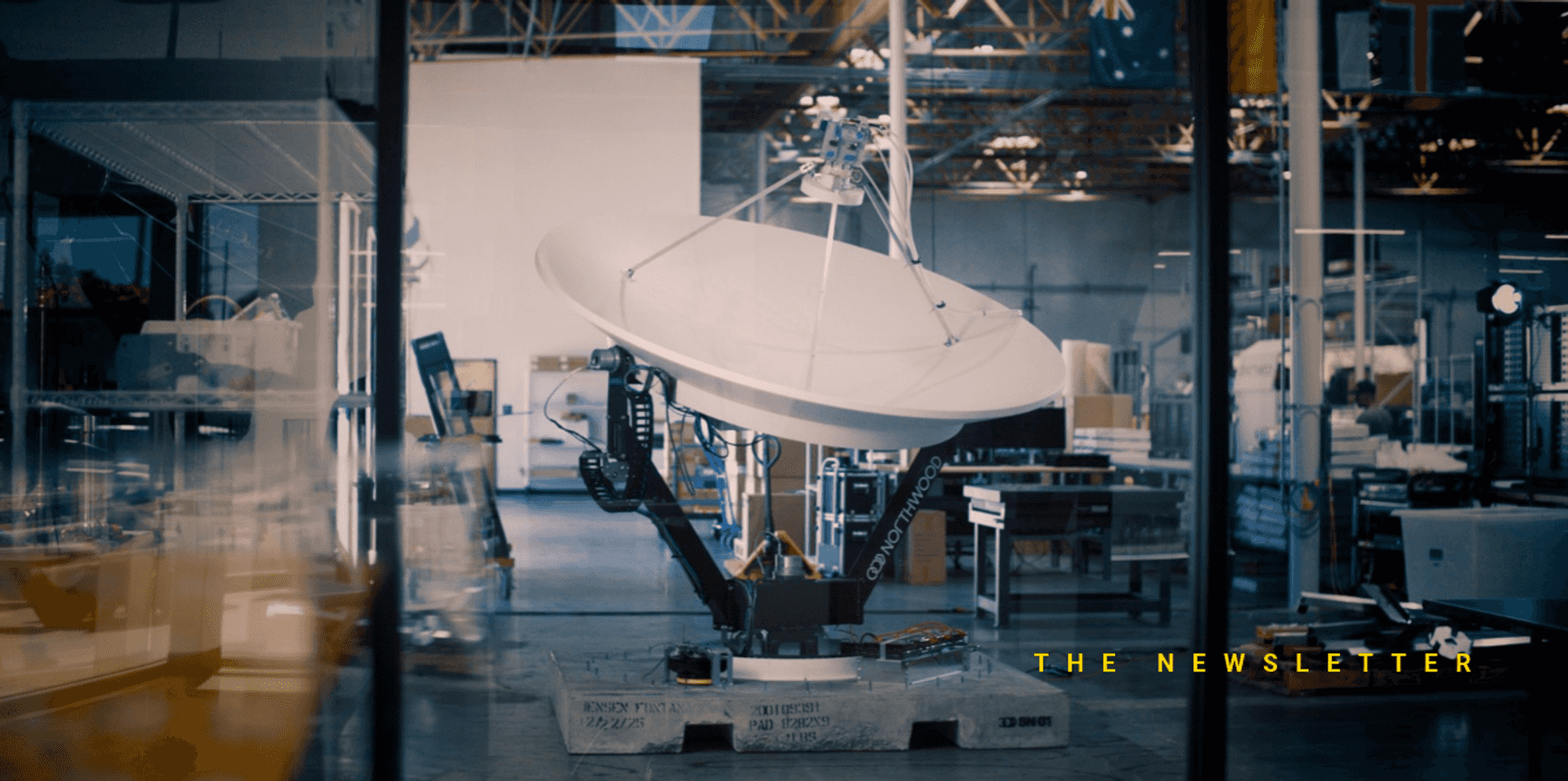
                  The company builds the infrastructure that allows satellites to exchange commands and data with operators on Earth. Rather than requiring every satellite company to develop its own ground stations, Northwood is creating a shared network that commercial operators and government agencies can access as needed.

                  Think cloud infrastructure, except the servers are antennas and adding capacity requires considerably more than clicking a button.

                  That distinction matters. Software companies can often scale by purchasing additional computing power. Northwood must manufacture physical systems, establish sites around the world and reliably serve customers operating across multiple orbits.

                  Its new Torrance factory is central to that plan. The facility is designed to produce hundreds of antennas each year, giving Northwood the manufacturing capacity to expand its network faster than traditional ground infrastructure can typically be built.

                  Demand is moving just as quickly. The number of active satellites worldwide grew from roughly 3,000 in 2020 to more than 14,000 by the end of 2025. Every one of them eventually needs to send information somewhere, and existing ground networks were not designed for the volume of missions now entering orbit.

                  Northwood’s previous funding helped prove it could build the technology and win serious customers. This round is about turning that early progress into global infrastructure.

                  The question is no longer whether Northwood can build a modern ground network. It is whether the company can make Torrance-built hardware the default connection layer for a rapidly expanding space economy.

                  With another $375M behind it, that test begins now.

                  More from this week’s LA startup and venture scene below.

                  🤝 Venture Deals

                    LA Companies

                    • Guava, a Los Angeles-based developer platform for building AI voice agents, raised a $12.5M seed round led by Acrew Capital, with participation from Flourish Ventures, WillowTree Ventures, Clocktower Ventures and existing investor Commerce Ventures. The company will use the funding to further develop its voice AI models and products while building a go-to-market team focused on enterprises and business process outsourcing providers. - learn more

                    LA Venture Funds
                    • Blue Bear Capital participated in Ocient’s $100M Series C alongside Greycroft, In-Q-Tel, Buoyant Ventures and other existing investors, while BOKA Capital and OCA Ventures co-led the round. The data analytics and AI infrastructure company will use the funding to expand OcientAIQ, its platform for delivering fast, reliable answers from petabyte-scale datasets, and bring its technology to more customers globally. - learn more
                    • Mystic Ventures participated in Siggy’s $6M pre-seed round, which was led by Village Global and also included PsyMed Ventures, Coalition Operators and several angel investors. Founded by veterans of Nurx and Journey Clinical, Siggy combines AI, wearable data and licensed clinicians to monitor patients between mental health appointments, with the funding supporting product development, regulatory work and hiring across its clinical and engineering teams. - learn more
                    • Grid Capital and Thin Line Capital participated in Strive Robotics’ more than $3M pre-seed round alongside Tenon Ventures, with Hi Ventures leading the financing. The Cambridge-based startup develops adaptable robots that can learn complete manufacturing workflows and operate existing factory equipment, with the funding supporting product development, hiring and early customer deployments. - learn more
                    • Sum Ventures participated in Circularity Fuels’ $7M seed round alongside Automotive Ventures, with DCVC and Trucks Venture Capital co-leading the financing. The company converts dairy biogas into sustainable aviation fuel and will use the capital to build a demonstration plant, design its first commercial facility and begin licensing its reactor technology to outside partners. - learn more
                    • Griffin Gaming Partners participated in EloElo Group’s $80M Series C alongside MIT Investment Co., Play Ventures, Kalaari Capital and WaterBridge Ventures, while Hornbill Capital and NBCUniversal co-led the round. The Bengaluru-based entertainment company will use the funding to produce more original microdramas across multiple languages, expand its Story TV platform internationally and continue developing Dolphin AI, its AI-powered creative suite. - learn more
                    • Mucker Capital participated in Lazarus AI’s $43M funding round alongside QBE, State Farm Ventures, Wave Function Ventures, Techstars and several other investors. The Boston-based company develops AI systems for enterprises and government agencies that retain control over their data, models and deployment, with the new capital supporting research and development, strategic partnerships and new product launches. - learn more
                    • Alexandria Venture Investments continued its support of Thryv Therapeutics by participating in the company’s $30M Series B, which was led by InClin and included several other existing investors. The clinical-stage biotech will use the funding to launch a Phase 2a study of THRV-1268 in patients with heart failure and evaluate the drug’s safety and potential effects on cardiac function and arrhythmia risk. - learn more
                    • Supply Change Capital led Kodiact’s $2.5M pre-seed round, with participation from Green Circle Foodtech Ventures and Velocity Catalyst. Kodiact helps manufacturers anticipate raw-material price swings and simulate sourcing decisions, and will use the funding to expand its market data and AI capabilities, grow enterprise deployments and enter additional industries including cosmetics, packaging and chemicals. - learn more

                      Download the dot.LA App

                      Anduril Built Fighter Jets. Now It’s Making a Laptop.
                      Anduril

                      🔦 Spotlight

                      Happy Friday, Los Angeles.

                      Anduril has built autonomous drones, underwater vehicles and fighter aircraft. Its newest product is considerably more familiar.

                      A laptop.

                      The Costa Mesa-based defense technology company announced this week that it is partnering with San Diego-based Qualcomm Technologies to launch BlueChip, a new line of computers designed in California and manufactured in the United States.

                      The first product will be a rugged laptop powered by Qualcomm’s Snapdragon X Series platform and built for customers in government, defense, public safety and other critical industries. Anduril has already produced working prototypes and plans to begin accepting orders in 2027.

                      At first glance, a laptop may seem like a modest addition to a company known for developing autonomous military systems. But BlueChip is less about entering the crowded consumer-electronics market and more about rebuilding the industrial foundation behind the machines Americans use every day.

                      The United States remains a leader in designing advanced technology, but much of the physical production required to turn those designs into finished computers has moved overseas. That includes not only semiconductor manufacturing, but also circuit boards, displays, batteries, enclosures and the network of specialized suppliers that connects them.

                      For most consumers, that dependency is largely invisible. For the government and military, it represents a potential vulnerability.

                      BlueChip is Anduril’s attempt to close that gap.

                      Components sourced from the United States and allied countries already account for more than 90% of the prototype laptop’s procurement cost. Circuit-board assembly is planned for Anduril’s Arsenal-1 facility in Ohio, while the company develops domestic production capabilities for enclosures, batteries and other hardware.

                      The goal is to gradually replace remaining foreign dependencies and create an end-to-end American computer supply chain that can support additional products beyond the first laptop.

                      That process requires more than moving an existing design into an American factory. Anduril is redesigning the computer around what domestic manufacturers can realistically produce at scale. The work includes selecting machinable American metals, adapting power systems to available battery technology and developing a bonding process for domestically made display glass.

                      In other words, Anduril is not simply assembling a laptop in America. It is working backward through the supply chain to make American assembly possible.

                      Qualcomm will supply the computing foundation. Its Snapdragon X platform will handle processing, graphics and on-device artificial intelligence, giving BlueChip users the ability to run certain AI models locally rather than sending sensitive information to the cloud.

                      That is particularly valuable for government and defense customers operating in secure environments, but it also reflects a broader shift in computing. As AI becomes embedded in everyday workflows, the location where information is processed may become nearly as important as the model doing the processing.

                      The partnership also reinforces Southern California’s growing role in the effort to rebuild American advanced manufacturing.

                      Anduril remains headquartered in Orange County, but its regional footprint is expanding. The company is investing $1B in a new campus spanning Long Beach and Lakewood that is expected to support approximately 5,500 jobs and include engineering, laboratory and prototype-manufacturing space.

                      Qualcomm, meanwhile, has spent decades building San Diego into a center for wireless technology and semiconductor design.

                      BlueChip brings those two Southern California strengths together: Anduril’s ability to move quickly from engineering concept to physical product and Qualcomm’s expertise in efficient, high-performance computing.

                      The first BlueChip laptop is not intended to compete for space in every backpack or coffee shop. Its early customers will likely be institutions that care deeply about security, reliability and control over their technology supply chains.

                      But the larger ambition reaches far beyond a single device.

                      If BlueChip succeeds, Anduril and Qualcomm will have created more than an American-made computer. They will have helped restore the suppliers, production knowledge and technical workforce required to build the next one.

                      For a company accustomed to tackling difficult national-security problems, the laptop may be one of Anduril’s most practical ideas yet.

                      Sometimes rebuilding an industry begins with reopening the machine.

                      More from this week’s LA startup and venture scene below.

                      🤝 Venture Deals

                        LA Companies

                        • StimCardio raised an oversubscribed $30M Series A led by Metis MedTech, with participation from Catalyst Health Ventures and other investors. The Los Angeles medical device company will use the funding to advance a pivotal study of Rhyvive, its investigational wrist-worn therapy designed to reduce recurring atrial fibrillation after catheter ablation, and prepare for an FDA submission. - learn more
                        • Gardena-based Neuron Industries raised an oversubscribed $10M seed round co-led by FCVC and Obvious Ventures, with participation from Y Combinator, Thin Line Capital, Zee Prime Capital and Founder Factor. The company will use the funding to develop and launch its AI-powered industrial control platform, expand its product line and establish domestic production as it works to help engineers automate new factories and machinery more quickly. - learn more
                        • Offe Market raised a $3M seed round led by Slauson & Co., bringing the off-price retail marketplace’s total funding to $4.3M. The company will use the capital to expand its commerce platform with AI-powered pricing and inventory tools, personalized recommendations and live shopping features designed to help brands sell excess merchandise without sacrificing control over presentation or pricing. - learn more
                        • Loamy raised a $6M seed round led by Zeal Capital Partners, with participation from LA investors Slauson & Co., Supply Change Capital and Amplify.LA, bringing its total funding to $10M. The company will use the capital to expand its engineering and sales teams, advance its AI platform and enter additional food categories as it helps growers, packers and distributors reduce waste and prevent rejected shipments. - learn more

                        LA Venture Funds
                        • MaC Venture Capital co-led Rendezvous Robotics’ oversubscribed $20M seed round alongside Toyota Ventures, marking the space startup’s first priced financing. The company will use the funding to develop its next-generation modular spacecraft, expand its team and prepare for flight demonstrations of technology that allows spacecraft components to assemble and reconfigure autonomously in orbit. - learn more
                        • BOLD Capital Partners participated in General Compute’s $100M Series A, which was co-led by Blackbird and Abstract. The company will use the funding to scale its AI inference cloud, which deploys specialized chips from companies including Cerebras, SambaNova and Positron AI to help customers run AI workloads faster without managing the underlying infrastructure. - learn more
                        • Mantis Venture Capital participated in Vera Health’s $28.5M Series A, which was led by Threshold Ventures and brought the clinical AI company’s total funding to $32M. Vera will use the capital to strengthen its medical-evidence infrastructure, enter new healthcare markets and expand partnerships with medical societies, publishers and health systems. - learn more

                        LA Exits

                        • Breastfeeding platform Swehl was acquired by Willow Innovations alongside infant-feeding technology company Momtech, with financial terms undisclosed. Swehl’s educational resources and community programs will anchor Willow World, a new platform designed to expand Willow’s business beyond wearable breast pumps and support mothers across more of the postpartum journey. - learn more
                        • SmartLess Mobile was acquired by Noble Mobile and will transition to the Noble brand as the companies combine their efforts to offer simpler, more affordable wireless service. Existing customers will retain their plans, prices, phone numbers and T-Mobile 5G coverage, while gaining the ability to use their data in Mexico and Canada at no additional cost; financial terms were not disclosed. - learn more

                          Download the dot.LA App

                          RELATEDEDITOR'S PICKS
                          Trending