


Photo courtesy of Art Hearts
“The passion is just so alive that I could actually change the trajectory of apparel manufacturing, to be sustainable and clean,” Keefer told dot.LA. “I want to be that hub for these young designers who want to make a difference,” Keefer said.
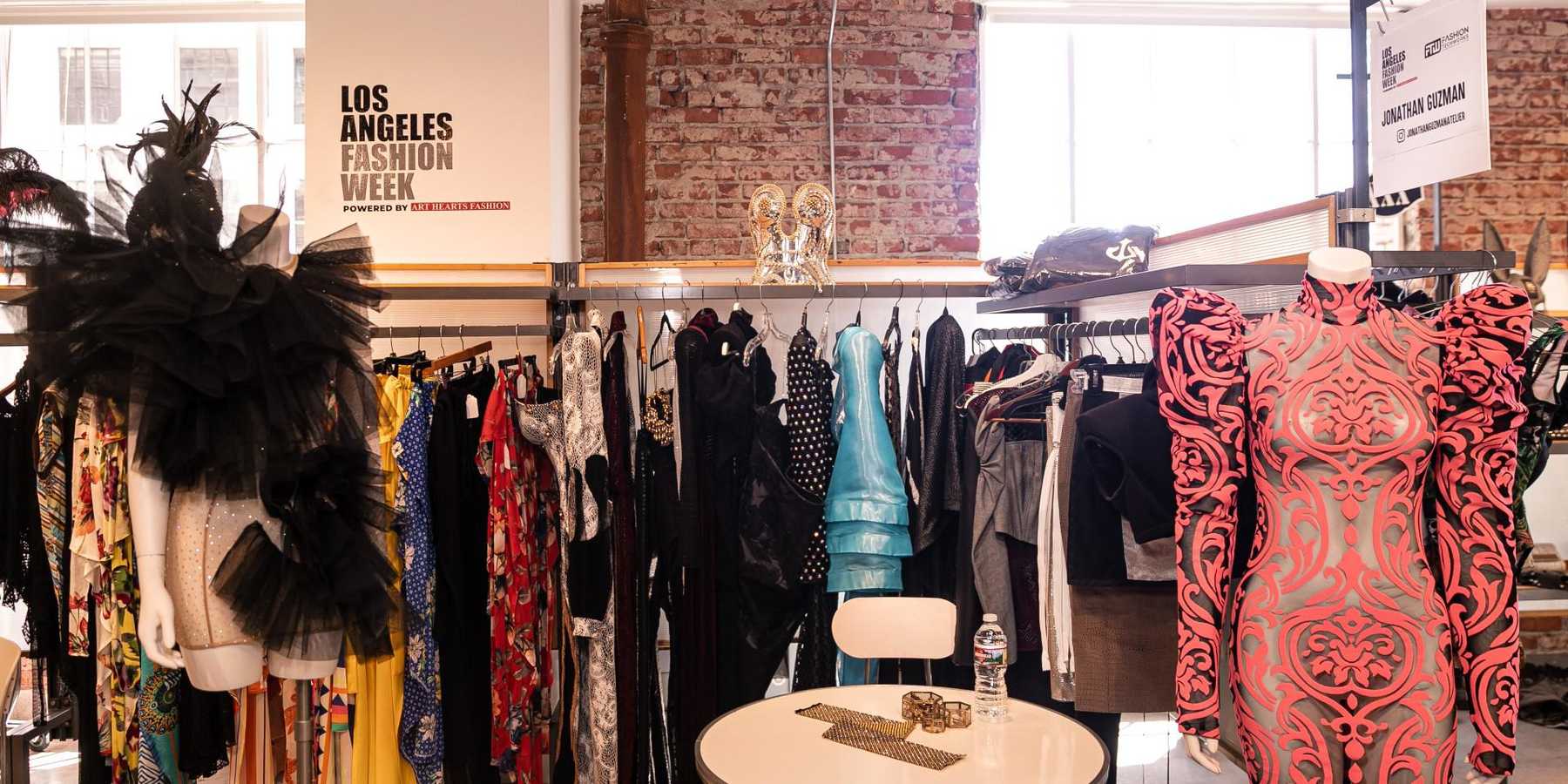
Earlier this month, the third floor of The New Mart in Downtown L.A. was bustling with designers and models preparing for Art Hearts Fashion, an annual Los Angeles Fashion Week event for local designers. Keefer partnered with Art Hearts to host a “fashion hub” that gave young talents the opportunity to network with brands like Doc Martens and Bellaria, as well as industry veterans like Condé Nast Latin America senior editor José Forteza.
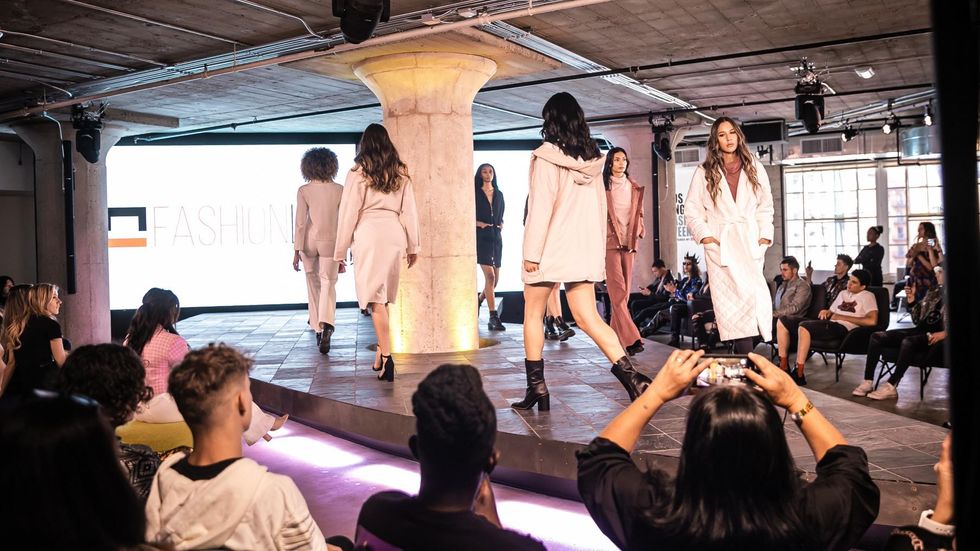 Photo courtesy of Art Hearts
“There's a void in the fashion program in Los Angeles, especially,” Art Hearts founder Erik Rosete said. A designer and long-time attendee of fashion weeks in Milan and Paris, Rosete noticed L.A. Fashion Week’s lack of a space for people to meet designers and get a hands-on experience of the clothing being showcased on the runway.
“It was very natural and synergistic that the partnership happened, because it created the opportunity to fill the void in L.A. Fashion Week,” he told dot.LA.
In 2015, Keefer and her husband Tom hosted Melange, a fashion tech conference held at The New Mart. The panelists included Liz Heller of TOMS shoes, Ashley Crowder of VNTANA and Kristine Upsuleja of Madison Innovative Materials, whom Keefer considers innovators in the fashion space.
During the first five years after the Melange conference, Keefer and her husband laid the groundwork for their business and created strong relationships with founders of other fashion incubators like Arizona-based FABRIC. Keefer used the pandemic as an opportunity, accepting a small business grant from the government which she used to launch Fashion Tech Works.
What was once storage space for The New Mart is now Fashion Tech Works’ incubator and coworking space, equipped with a content creation studio, events spaces and private offices.
Among the designers who showcased their work at the Art Hearts Fashion Hub was Symone Carter, designer of Le Mo’ney and a member of Fashion Tech Works.
“I just needed to be somewhere where I can get creative and meet other creatives,” Carter said. “I stumbled upon Fashion Tech Works on Instagram, set up an appointment to do a walkthrough and fell in love with it that first day.”
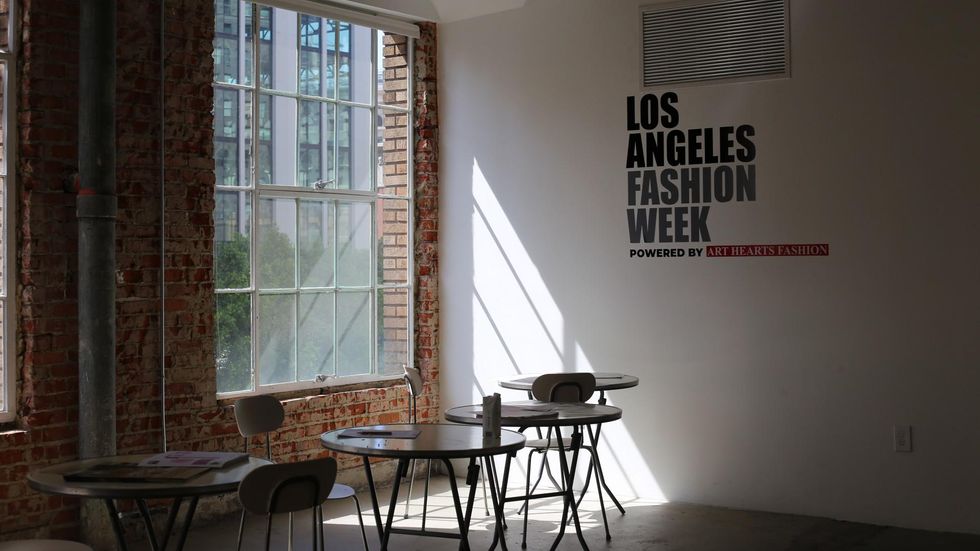 Photo by Decerry Donato
Each designer is required to have a fashion degree to become a member. There are three different tiers: silver ($60 per month), which is a remote membership that has access to the space two days out of the week; gold ($95), which includes daily access to the building; and premium ($750), which provides the designer with a private office space, access to the content creation studio for six hours a month and an opportunity to showcase their line on the runway.
Designers who become Fashion Tech Works members will receive the support of both FABRIC and garment producer Lefty Production Co. and access to the ORB360 machine, a 3D photographic technology that offers a 360-degree view on models. Keefer said Fashion Tech Works is also collaborating with other companies that focus on photographic printing, digital layouts, and cutting; she did not name those companies but said partnerships will be announced soon as negotiations are being finalized.
From Your Site Articles
- GTLA Aims to Make LA Manufacturing More Equitable - dot.LA ›
- DressX's Filters Lets Users Dress in Couture Fashion - dot.LA ›
- Fashion Tech - dot.LA ›
- MarqVision Raises $20M to Stop Online Counterfeiters - dot.LA ›
- LA-Based Fashion Tech Companies Are Changing Online Shopping - dot.LA ›
- An Inside Look Into FCTRY LAb’s Shoe Making Tech - dot.LA ›
Related Articles Around the Web

This week, some of its biggest companies put money behind an AI startup promising to build something for them instead.
Los Angeles-based Stability AI raised $76M in Series B funding from an investor group that includes Electronic Arts, Sony Music Group, Universal Music Group and Warner Music Group. AMD Ventures and Pacific Alliance Ventures also joined the round, while LA-based MANTIS Capital and Sound Ventures are among the company’s existing backers.
The financing brings Stability AI’s total funding under CEO Prem Akkaraju to $232M, including two equity rounds and convertible notes. The company plans to use the new capital to expand its creative production tools, applied research and professional services across music, gaming and entertainment.
The amount is notable. The names attached to it are the bigger story.
Generative AI’s arrival in entertainment has been anything but quiet. Artists have questioned whether their work was used to train models without permission. Studios have faced pressure over how the technology could affect jobs. Record labels have pursued AI companies in court while simultaneously exploring how the same technology might fit into their businesses.
Now, several of the world’s largest entertainment companies are investing directly in one.
That does not mean the industry has resolved its concerns about AI. It means some of its biggest players would rather help shape the technology than wait to see what it becomes.
Stability AI is positioning itself for that opening. Rather than focusing solely on general-purpose models, the company is building tools specifically for professional creatives. Its recently launched Stable Audio 3.0 was trained on fully licensed music and lets artists generate, edit and arrange audio through a web platform or directly inside digital audio workstations.
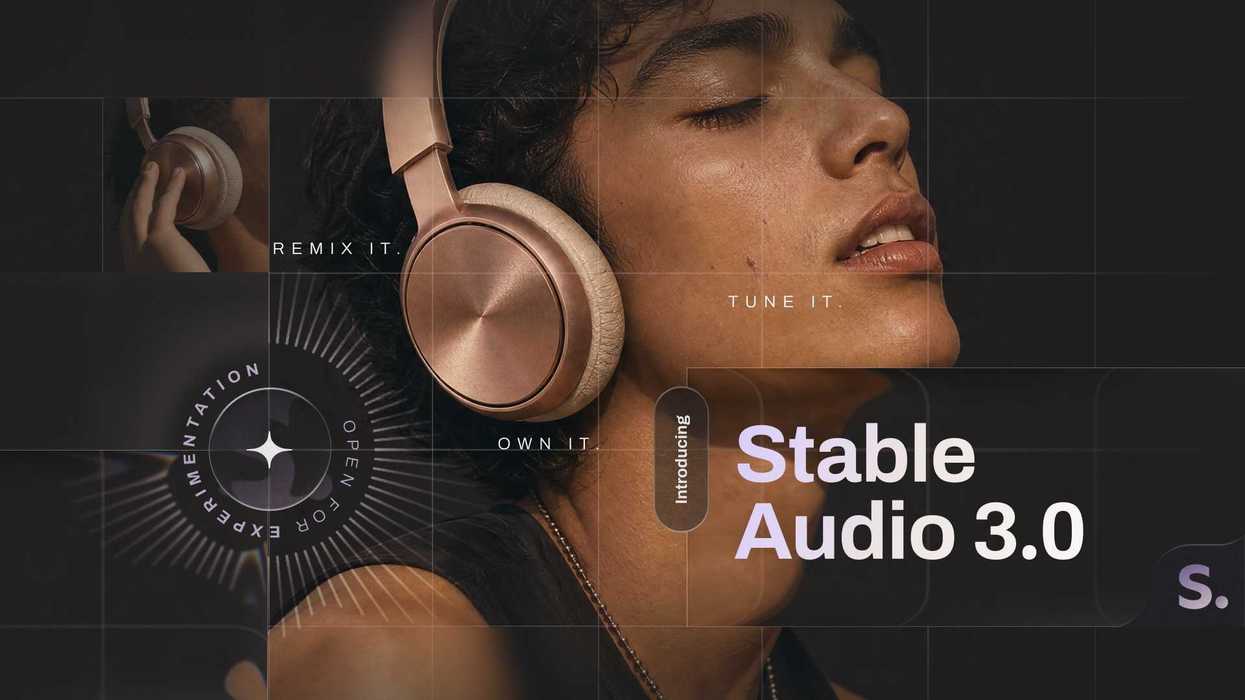 Image Source: Stability AI
That licensed-data approach is central to the pitch. The next phase of creative AI will not be decided only by which company produces the most impressive model. It will also depend on which companies can earn the trust of the artists, studios and rights holders whose work gives those models value.
For its new strategic investors, the round offers more than financial upside. It creates a closer view into how generative AI may change production, a voice in how the tools develop and an opportunity to establish rules before those rules are established for them.
For Stability AI, the backing provides something equally important: credibility inside industries that have every reason to scrutinize what it is building.
The company now has capital and access to some of the largest catalogs, franchises and creative workforces in entertainment. What it does with that access will determine whether this becomes a meaningful alliance or simply an impressive collection of logos.
Either way, the industry is no longer watching from a safe distance.
It has entered the room.
LA’s Air-Taxi Plans Are Coming Downtown
While Stability AI is trying to change how entertainment gets made, Archer Aviation wants to change how people get to it.
AEG and Archer announced plans to develop downtown Los Angeles’ first vertiport at L.A. LIVE, creating a potential new stop in Archer’s proposed electric air-taxi network ahead of the 2028 Olympic and Paralympic Games.
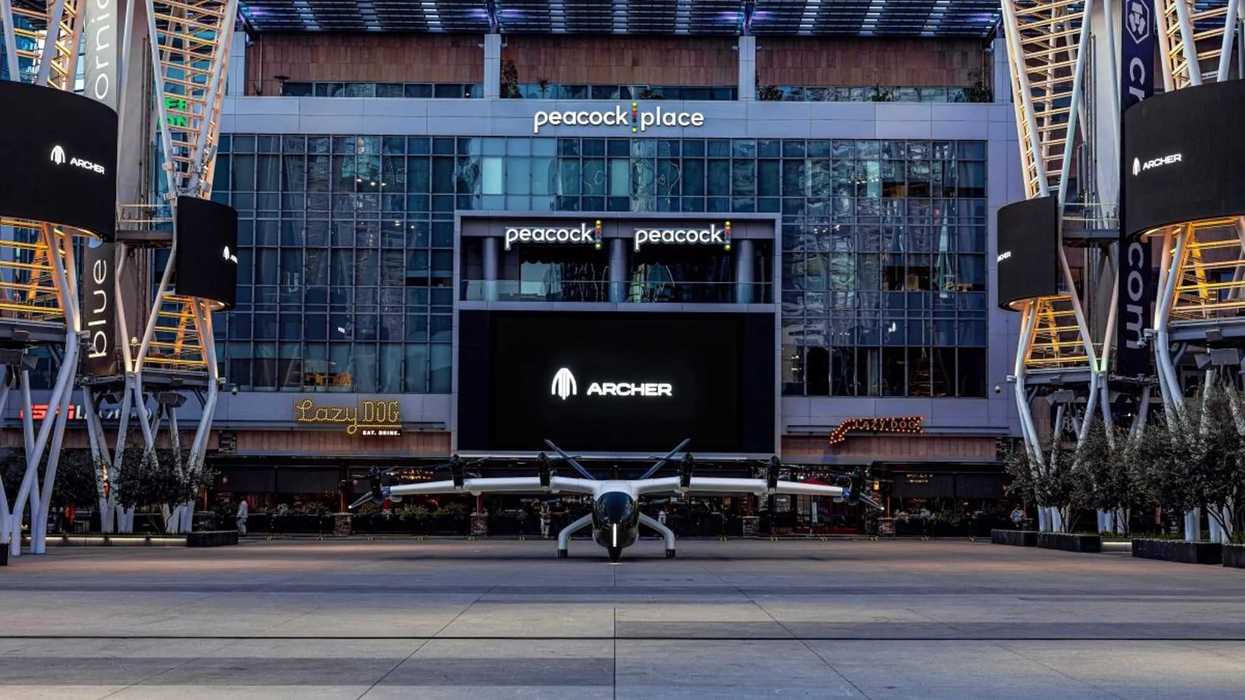 Image Source: Archer
The planned site would sit beside Crypto.com Arena and allow passengers to travel to and from the entertainment district aboard Archer’s Midnight aircraft. The company says its network could turn drives that take an hour or longer into electric flights lasting approximately 10 to 20 minutes.
Archer has already identified SoFi Stadium, USC and Hollywood Burbank Airport as possible locations, with its recently acquired Hawthorne Airport expected to serve as the network’s central operating hub. As the official air-taxi provider of LA28 and Team USA, Archer has an unusually visible deadline for turning those plans into something tangible.
AEG and Archer have completed an initial feasibility study of the L.A. LIVE site, including reviews of land use, airspace, power availability and community impact. The next phase will examine operations and the passenger experience.
There is still a substantial distance between a proposed vertiport and a functioning air-taxi network. The infrastructure must be built, regulatory approvals must be secured and passengers must be persuaded that flying across the city is safer and more practical than staying on the ground.
Still, few locations could make that future feel more real than L.A. LIVE. Millions of people already pass through the district for concerts, games and major events. Placing a vertiport there would bring urban air mobility out of the concept stage and directly into public view.
Together, this week’s announcements show Los Angeles becoming a testing ground for two technologies still moving from promise toward everyday use.
One could reshape how entertainment is created. The other could reshape how Angelenos reach it.
In a city famous for both its creative industries and its traffic, that feels appropriately on brand.
More from this week’s LA startup and venture scene below.
🤝 Venture Deals
LA Companies
- Atorie raised a $9.5M seed round from investors including a16z speedrun, Night Capital and Lightspeed Venture Partners’ Jeremy Liew. The AI-powered fashion startup connects consumers directly with luxury manufacturers to offer high-quality goods without traditional designer markups, and will use the funding to expand logistics, production and its AI shopping tools. - learn more
- Long Beach-based Maglut Heavy Industries emerged from stealth with $3.1M in pre-seed funding from Wave Function, Nova Threshold and Julian Capital. The startup is developing a chromatography-based system to process and refine rare earth elements domestically, with pilot tests producing materials at more than 99.9% purity. - learn more
LA Venture Funds
- MANTIS Venture Capital participated in Voya Energy’s $35M Series A, led by Energy Impact Partners and joined by John Doerr, StepStone, Founders Fund, Overmatch and Seven Stars. The Hayward-based startup will use the funding to commercialize its aluminum-fueled generators, which provide clean, off-grid power for data centers and other energy-intensive operations without combustion or local air emissions. - learn more
- Regeneration.VC participated in eComID’s $17M seed round, led by Systemiq Capital and joined by Course Corrected, Stadium and returning investor CapitalT. The Stockholm-based startup will use the funding to expand internationally and scale its AI-powered Shopping Passport, which helps retailers personalize sizing and product discovery while reducing returns. - learn more
- Clocktower Technology Ventures participated in Helcim’s $53M Series C, led by BDC Capital’s Growth Venture Fund and joined by new investors Curql Collective and LA-based Gold House Ventures. The Calgary payments company will use the funding to expand its platform, develop additional financial services and serve more small and midsize businesses across North America. - learn more
LA Exits
- Altruist agreed to be acquired by Vanguard, giving the Los Angeles-based wealth technology and custody platform greater resources to expand its tools for independent financial advisors. Altruist will continue operating as a standalone business under its existing leadership and brand after the deal closes, which is expected later this year pending regulatory approval; financial terms were not disclosed. - learn more
- Personality AI has been acquired by WildBrain for approximately $11M in cash and 1M WildBrain shares upfront, with additional payments tied to future performance. The startup develops kid-safe conversational AI experiences for entertainment characters, including “Hey Peppa Pig,” and will help WildBrain expand its franchises into interactive products across toys, apps and digital platforms. - learn more