


Image by Candice Navi
Here Are LA's Top VCs, According to Their Peers
Though Silicon Valley is still very much the capital of venture capital, Los Angeles is home to plenty of VCs who have made their mark – investing in successful startups early and reaping colossal returns for their limited partners.
Who stands out? We thought there may be no better judge than their peers, so we asked 28 of L.A.'s top VCs who impresses them the most.
The list includes many familiar names. Dana Settle, founding partner of Greycroft, and Mark Mullen, founding partner of Bonfire Ventures, garnered the most votes.
Settle manages West Coast operations for Greycroft, a New York firm with $1.8 billion in assets under management. She is one of only nine of the top 100 VCs nationally who are women, according to CB Insights.
Mullen is a founding partner of Bonfire Ventures, which closed a $100 million second fund in September to continue funding seed stage business-to-business (B2B) software startups. Mullen has also been an angel investor and is an LP in other funds focusing on other sectors, including MaC VC and BAM Ventures.
Below is the list of the top ranked investors by how many votes each received from their peers. When there was a tie, they appear in alphabetical order according to their last name:
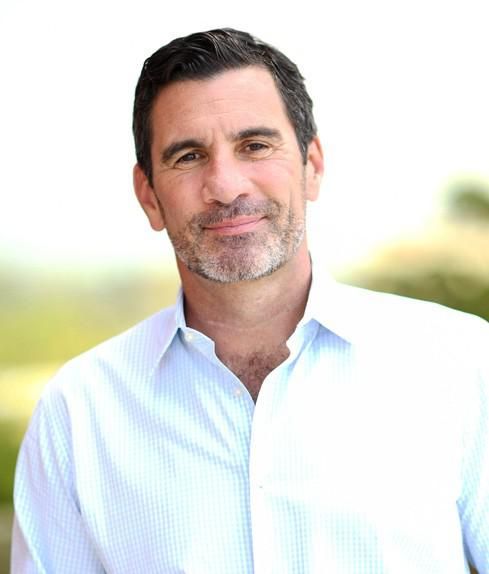
Mark Mullen, Bonfire Ventures
Mark Mullen is a founding partner of Bonfire Ventures. He is also founder and the largest investor in Mull Capital and Double M Partners, LP I and II. A common theme in these funds is a focus on business-to-business media and communications infrastructures.
In the past, Mullen has served as the chief operating officer at the city of Los Angeles' Economic Office and a senior advisor to former Mayor Villaraigosa, overseeing several of the city's assets including Los Angeles International Airport and the Los Angeles Convention Center. Prior to that, he was a partner at Daniels & Associates, a senior banker when the firm sold to RBC Capital Markets in 2007.
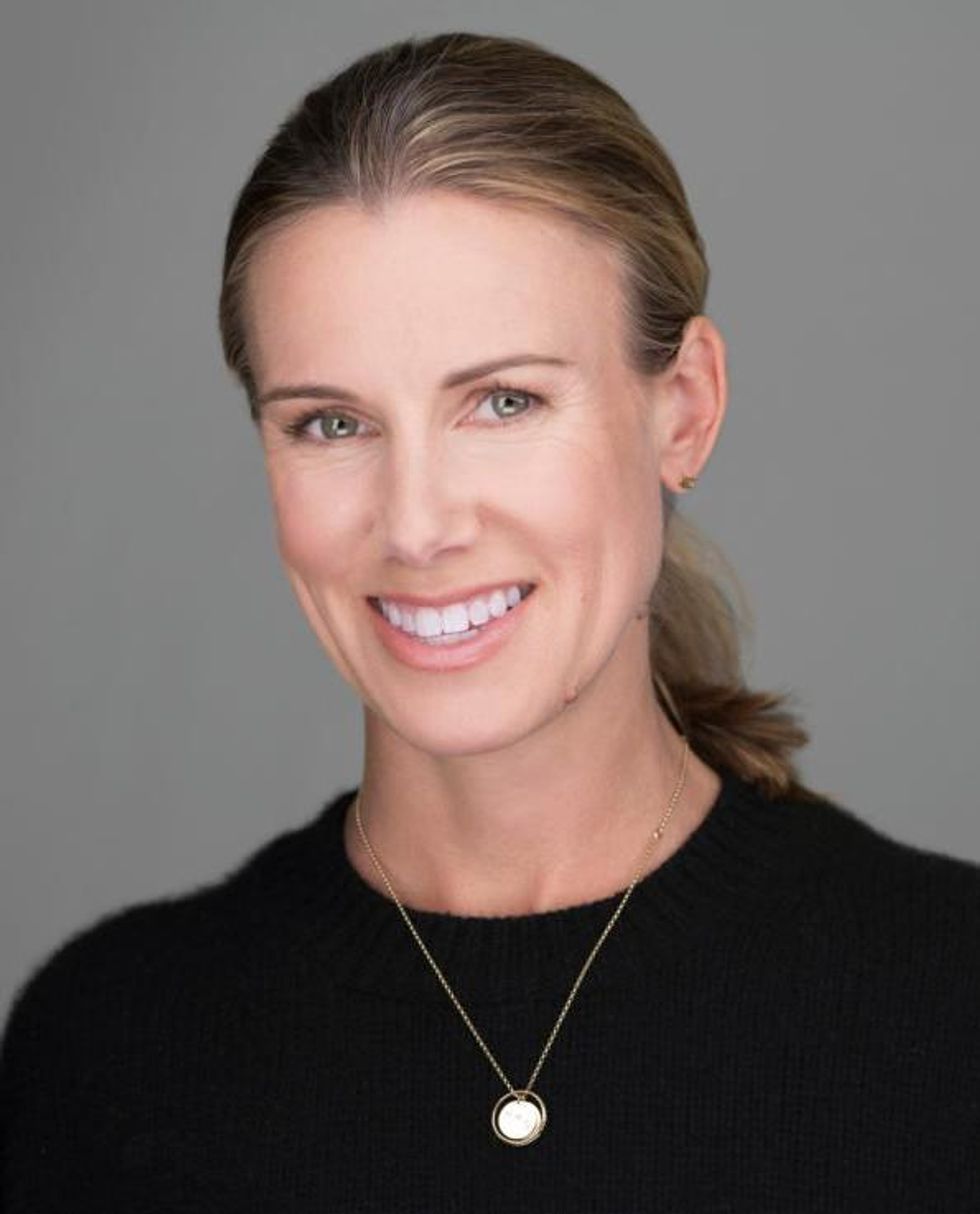
Dana Settle, Greycroft
Dana Settle is a founding partner of Greycroft, heading the West Coast office in Los Angeles. She currently manages the firm's stakes in Anine Bing, AppAnnie, Bird, Clique, Comparably, Goop, Happiest Baby, Seed, Thrive Market, Versed and WideOrbit, and is known for backing female-founded companies.
"The real change takes place when female founders build bigger, independent companies, like Stitchfix, TheRealReal," she said this time last year in an interview with Business Insider. "They're creating more wealth across their cap tables and the cap tables tend to be more diverse, so that gives more people opportunity to become an angel investor." Prior to founding Greycroft, she was a venture capitalist and startup advisor in the Bay Area.
Erik Rannala, Mucker Capital
Erik Rannala is a founding partner at Mucker Capital, which he created with William Hsu in 2011. Before founding Mucker, Rannala was vice president of global product strategy and development at TripAdvisor and a group manager at eBay, overseeing its premium features business.
"As an investor, I root for startups. It pains me to see great teams and ideas collapse under the pressure that sometimes follows fundraising. If you've raised money and you're not sure what comes next, that's fine – I don't always know either," Rannala wrote in a blog post for Mucker.
Mucker has a portfolio of 61 companies, including Los Angeles-based Honey and Santa Monica-based HMBradley.

William Hsu, Mucker Capital
William Hsu is a founding partner at the Santa Monica-based fund Mucker Capital. He started his career as a founder, creating BuildPoint, a provider of workflow management solutions for the commercial construction industry not long after graduating from Stanford.
In an interview with Fast Company, he shared what he learned in the years following, as he led product teams at eBay, Green Dot and Spot Runner, eventually becoming the SVP and Chief Product Officer of At&T Interactive: "Building a company is about hiring correctly, adhering to a timeline, and rigorously valuing opportunity. It's turning something from inspiration and creative movement into process and rigor."
These are the values he looks for in founders in addition to creativity. "I like to see the possibility of each and every idea, and being imaginative makes me a passionate investor."
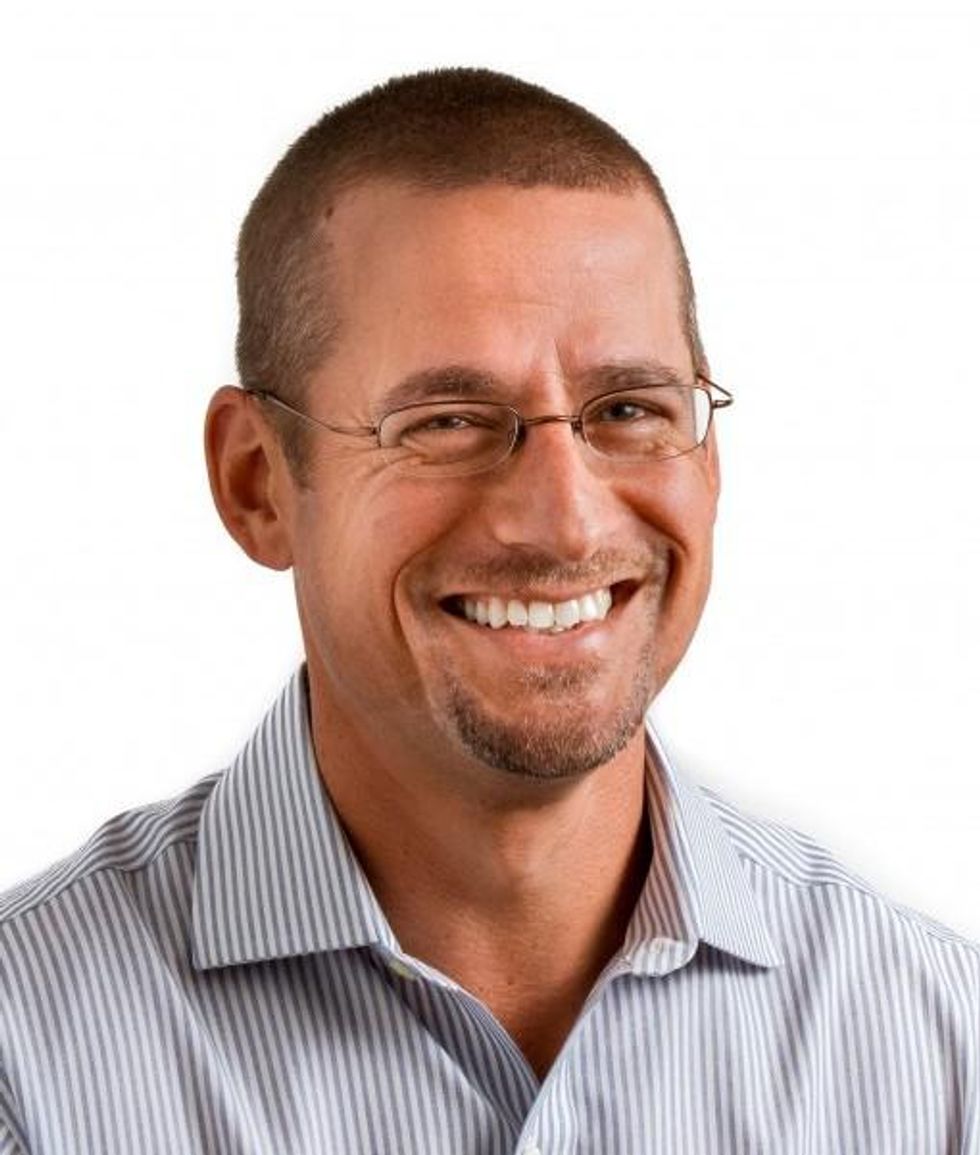
Jim Andelman, Bonfire Ventures
Jim Andelman is a founding partner of Bonfire Ventures, a fund that focuses on seed rounds for business software founders. Andelman has been in venture capital for 20 years, previously founding Rincon Venture Partners and leading software investing at Broadview Capital Partners.
He's no stranger to enterprise software — he also was a member of the Technology Investment Banking Group at Alex. Brown & Sons and worked at Symmetrix, a consulting firm focusing on technology application for businesses.
In a podcast with LA Venture's Minnie Ingersoll earlier this year, he spoke on the hesitations people have about choosing to start a company.
"It's two very different things: Should I coach someone to be a VC or should I coach someone to enter the startup ecosystem? On the latter question, my answer is 'hell yeah!'"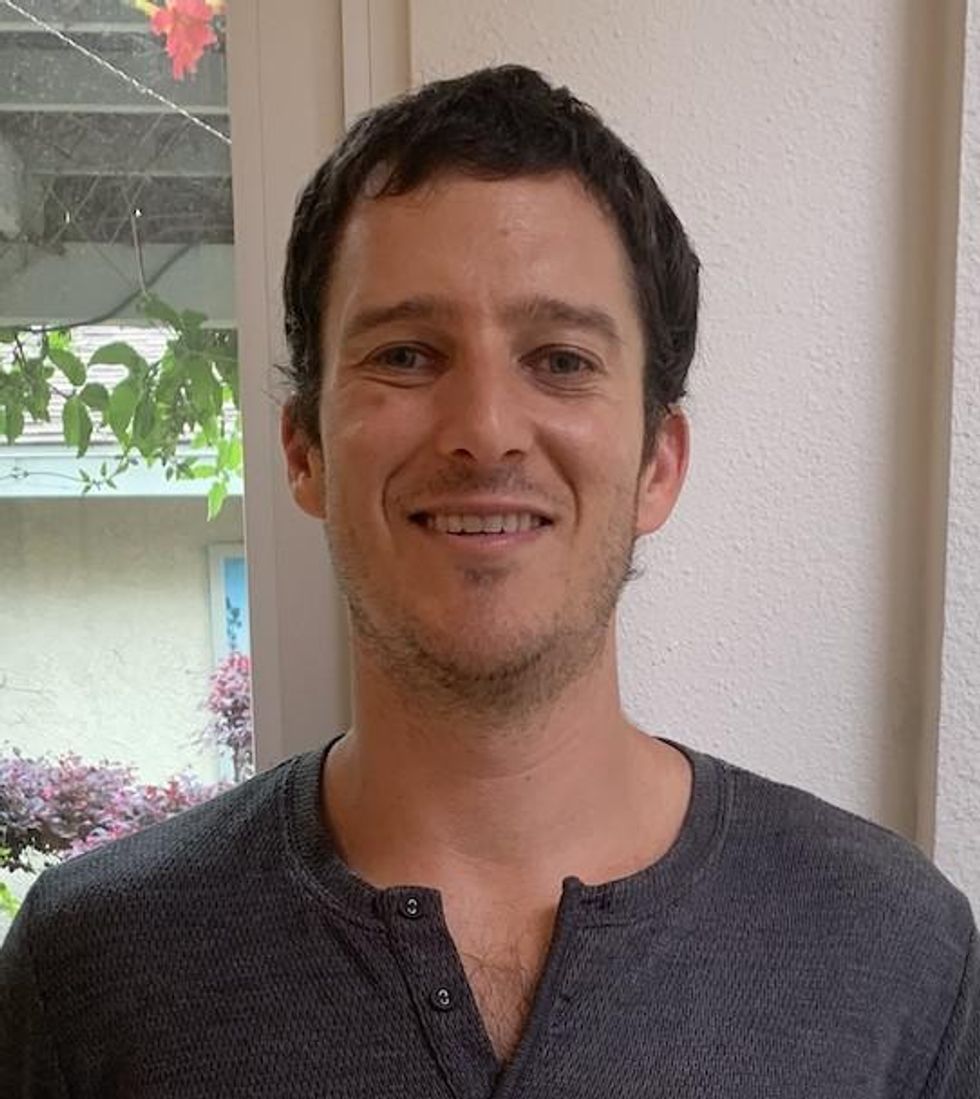
Josh Diamond, Walkabout Ventures
Josh Diamond founded Walkabout Ventures, a seed fund that primarily focuses on financial service startups. The firm raised a $10 million fund in 2019 and is preparing for its second fund. Among its 19 portfolio companies is HMBradley, which Diamond helped seed and recently raised $18 in a Series A round.
"The whole reason I started this is that I saw there was a gap in the funding for early stage, financial service startups," he said. As consumers demand more digital access and transparency, he said the market for financial services is transforming — and Los Angeles is quickly becoming a hub for fintech companies. Before founding Walkabout, he was a principal for Clocktower Technology Ventures, another Los Angeles-based fund with a similar focus.
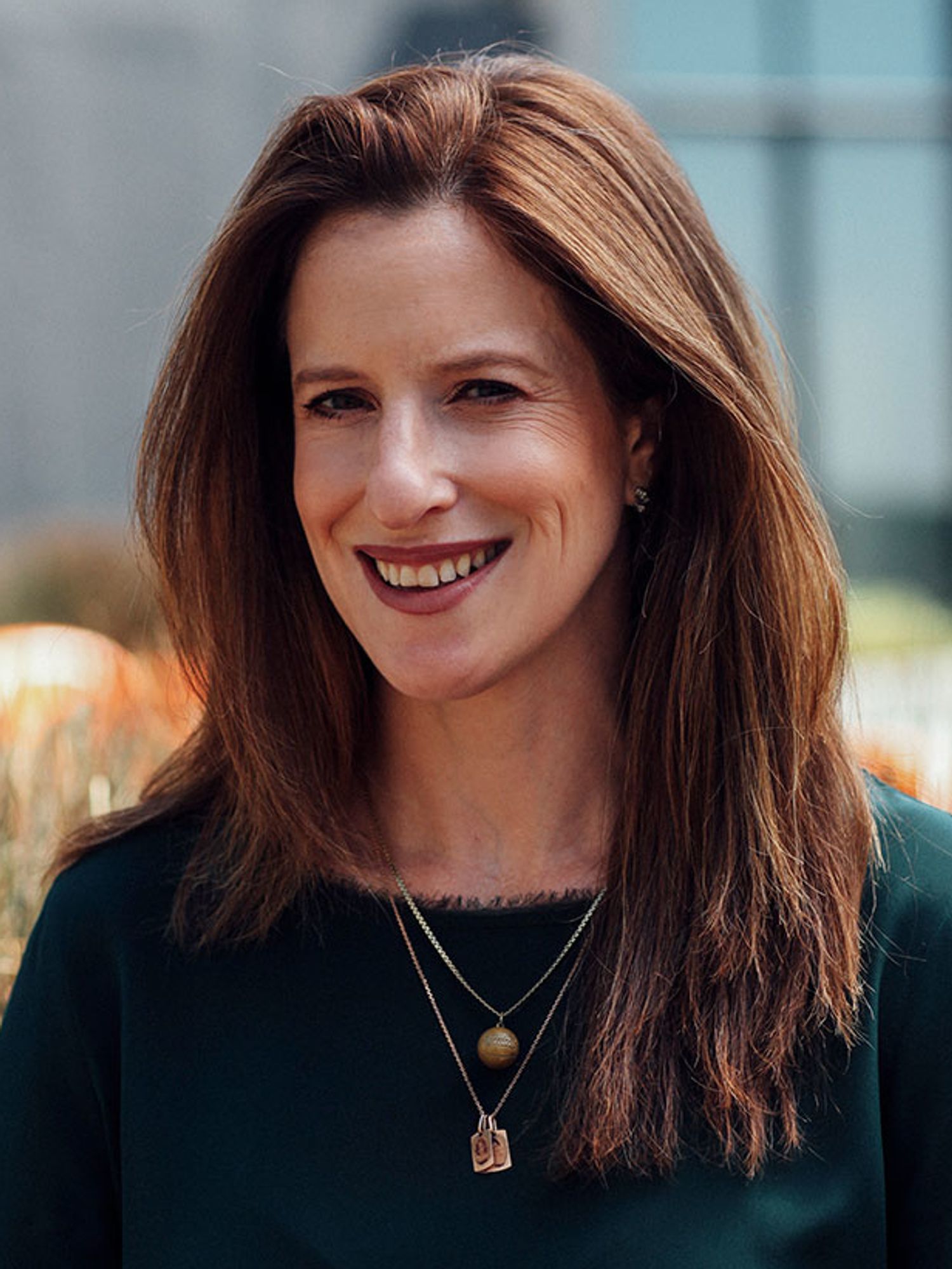
Kara Nortman, Upfront Ventures
Kara Nortman was recently promoted to managing partner at Upfront Ventures, making her one of the few women – along with Settle – to ascend to the highest ranks of a major VC firm.
Though Upfront had attempted to recruit her before she joined in 2014, she had declined in order to start her own company, Moonfrye, a children's ecommerce company that rebranded to P.S. XO and merged with Seedling. Upfront invested in the combination, and shortly after, Nortman joined the Upfront team.
Before founding Moonfrye, she was the SVP and General Manager of Urbanspoon and Citysearch at IAC after co-heading IAC's M&A group.
In an interview with dot.LA earlier this year, she spoke on how a focus for her as a VC is to continue to open doors for founders and funders of diverse backgrounds.
"Once you're a woman or a person of color in a VC firm, it is making sure other talented people like you get hired, but also hiring people who are not totally like you. You have to make room for different kinds of people. And how do you empower those people?"
Brett Brewer, Crosscut Ventures
Brett Brewer is a co-founder and managing director of Crosscut Ventures. He has a long history in entrepreneurship, starting a "pencil selling business in 4th grade." In 1998, he co-founded Intermix Media. Under their umbrella were online businesses like Myspace.com and Skilljam.com. After selling Intermix in 2005, he became president of Adknowledge.com.
Brewer founded Santa Monica-based Crosscut in 2008 alongside Rick Smith and Brian Garrett. His advice to founders on Crosscut's website reflects his experience: "Founders have to be prepared to pivot, restart, expect the unexpected, and make tough choices quickly... all in the same week! It's not for the faint of heart, but after doing this for 20 years, you can spot the fire (and desire) from a mile away (or not)."
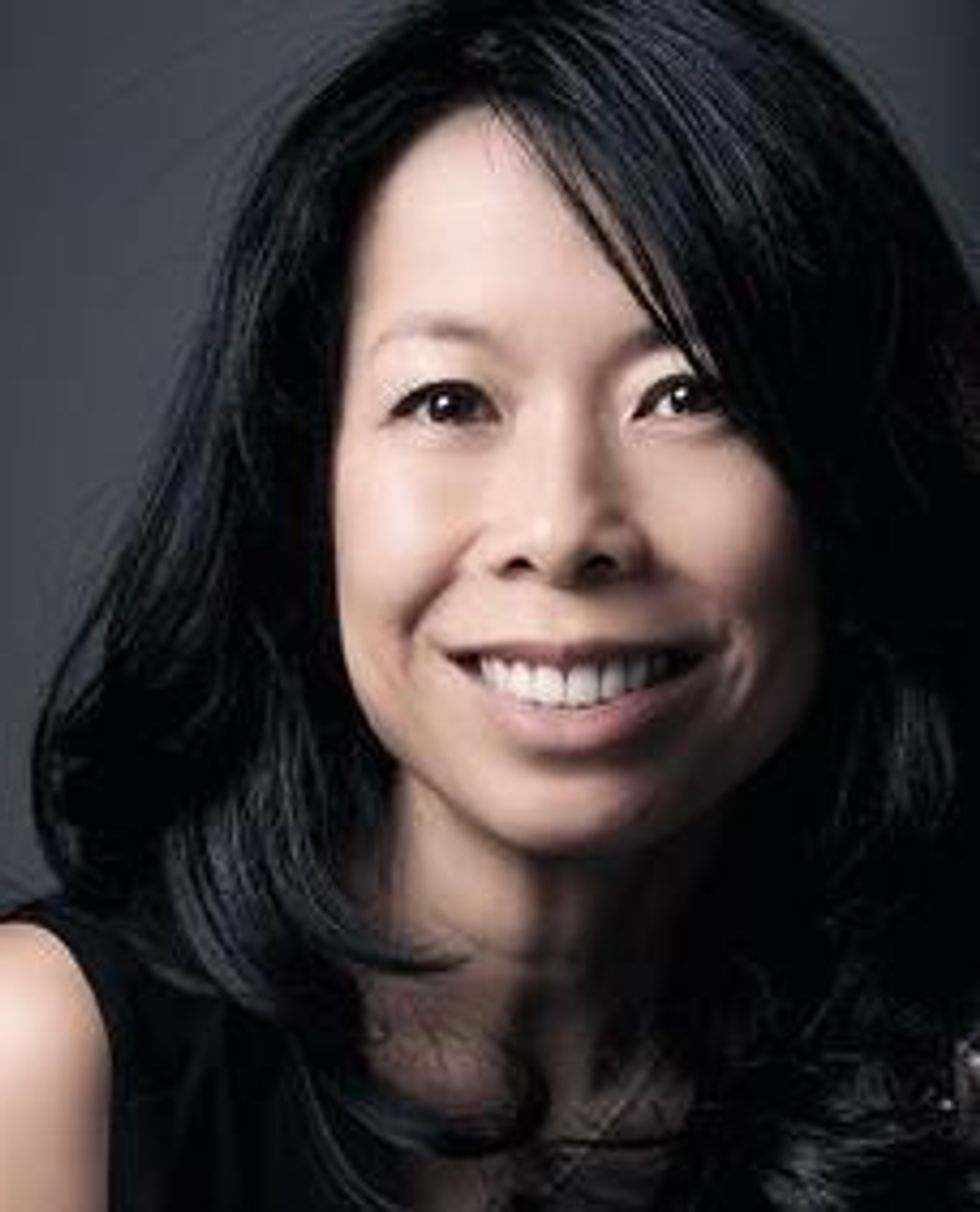
Eva Ho, Fika Ventures
Eva Ho is a founding partner of Fika Ventures, a boutique seed fund, which focuses on data and artificial intelligence-enabled technologies. Prior to founding Fika, she was a founding partner at San Francisco-based Susa Ventures, another seed-stage fund with a similar focus. She is also a serial entrepreneur, most recently co-founding an L.A. location data provider, Factual. She also co-founded Navigating Cancer, a health startup, and is a founding member of All Raise, a nonprofit that supports and provides resources to female founders and funders.
In an interview with John Livesay shortly before founding Fika, Ho spoke to how her experience at Factual helped focus what she looks for in founders. "I always look for the why. A lot of people have the skills and the confidence and the experience, but they can't convince me that they're truly passionate about this. That's the hard part — you can't fake passion."
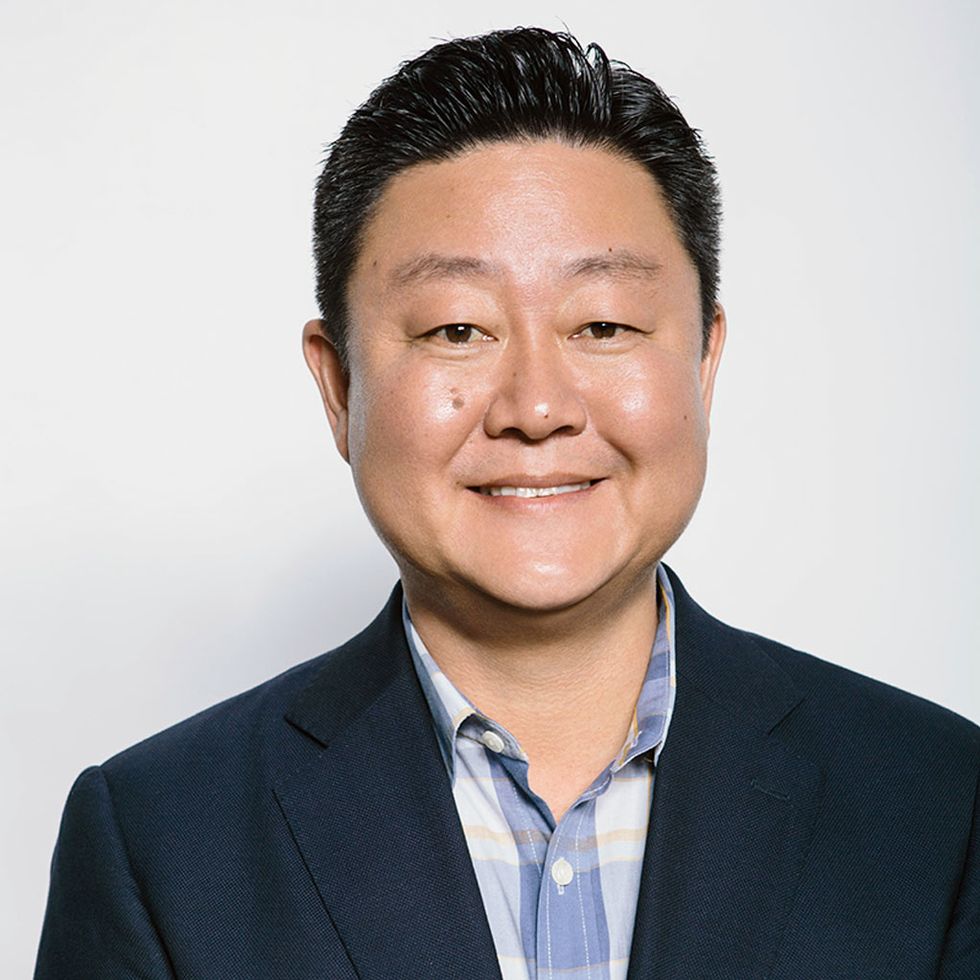
Brian Lee, BAM Ventures
Brian Lee is a co-founder and managing director of BAM Ventures, an early-stage consumer-focused fund. In an interview with dot.LA earlier this year, Lee shared that he ended up being the first investor in Honey, which was bought by PayPal for $4 billion, through investing in founders and understanding their "vibe."
"There's certain criteria that we look for in founders, a proprietary kind of checklist that we go through to determine whether or not these are the founders that we want to back…. [Honey's founders] knew exactly what they were building, and how they were going to get there."
His eye for the right vibe in a founder is one gleaned from experience. Lee is a serial entrepreneur, founding LegalZoom.com, ShoeDazzle.com and The Honest Company.

Alex Rubalcava, Stage Venture Partners
Alex Rubalcava is a founding partner of Stage Venture Partners, a seed venture capital firm that invests in emerging software technology for B2B markets. Prior to joining, he was an analyst at Santa Monica-based Anthem Venture Partners, an investor in early stage technology companies. It was his first job after graduating from Harvard, and during his time at Anthem the fund was part of Series A in companies like MySpace, TrueCar and Android.
He has served as a board member in several Los Angeles nonprofits and organizations like KIPP LA Schools and South Central Scholars.
"Warren Buffett says that he's a better businessman because he's an investor, and he's a better investor because he's a businessman. I feel the same way about VC and value investing. Being good at value investing can make you good at venture capital, and vice versa," Rubalcava said in an interview with Shai Dardashti of MOI Global.
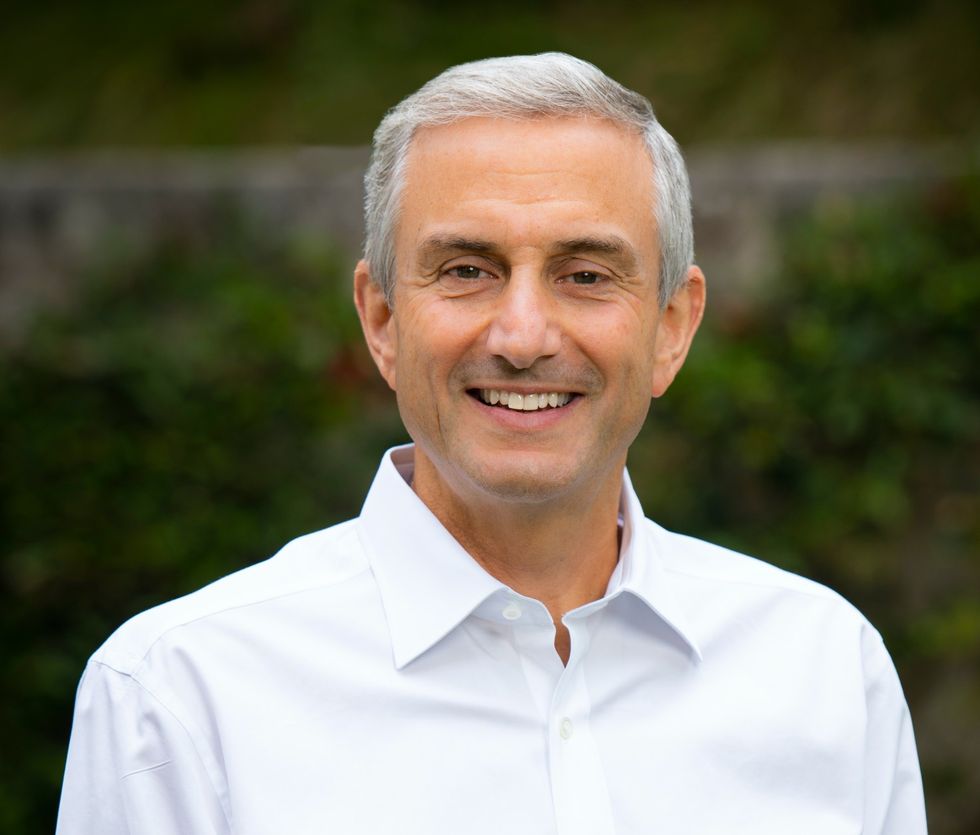
Mark Suster, Upfront Ventures
Mark Suster, managing partner at Upfront Ventures, is arguably L.A.'s most visible VC, frequently posting on Twitter and on his blog, not only about investing but also more personal topics like weight loss. In more normal years, he presides over LA's biggest gathering of tech titans, the Upfront Summit. Before Upfront, he was the founder and chief executive officer of two software companies, BuildOnline and Koral, which was acquired by Salesforce. Upfront backed both of his companies, and eventually he joined their team in 2007.
In a piece for his blog, "Both Sides of the Table," Suster wrote about the importance of passion — not just for entrepreneurs and their businesses, but for the VCs that fund them as well.
"On reflection of the role that I want to play as a VC it is clearly in the camp of passion. I really want to start my journeys only with people with whom I want to work closely with for the next 5–7 years or more. I only want to work on projects in which I believe can produce truly amazing change in an industry or in the world."
Lead art by Candice Navi.
From Your Site Articles
- Here Are Los Angeles' Top Venture Capitalists - dot.LA ›
- Ten Venture Capital Firms Commit to 'Diversity' Rider' - dot.LA ›
- Navigating the Venture Capital World as a Black Person - dot.LA ›
- The Largest Venture Capital Raises in Los Angeles in 2020 - dot.LA ›
- Los Angeles Venture Funds Grow, but Spend Less in LA - dot.LA ›
- dot.LA's Venture Capital Survey for Q1 2021 - dot.LA ›
- Meet Scott Lenet, Co-Founder, President and Educator - dot.LA ›
- LA VC's Hosted Their First Party in 14 Months - dot.LA ›
- Los Angeles’ Top Investors Under 30 According to Their Peers - dot.LA ›
- TX Zhuo is Behind Fika Ventures' $77 million Fund ›
- Los Angeles Notches Record Levels of VC Investment in Q2 - dot.LA ›
- VCs See Valuations Reach Record Highs as Optimism Stays High - dot.LA ›
- Top LA Angel Investors 2021: McInerney, Rascoff and Lee - dot.LA ›
- LA Venture: Chirag Chotalia on Threshold Ventures - dot.LA ›
- CrossCut Ventures' Rick Smith on Coming to Venture Capital - dot.LA ›
- Event: Investors & Entrepreneurs Networking in Los Angeles - dot.LA ›
- Los Angeles Startups Closed a Record Number of Deals in Q3 - dot.LA ›
- Southern California Venture Capitalists See a Tech Bubble - dot.LA ›
- Pear VC’s Pejman Nozad on Early-Stage VC - dot.LA ›
- Bonfire Ventures Is Raising a $165 Million For Its Third Fund - dot.LA ›
- 5 Highlights From a Record-Smashing 2021 for SoCal Startups and VCs - dot.LA ›
- Los Angeles Venture Capital Activity Was Up in Q3 - dot.LA ›
- LA Is The Third-Largest Startup Ecosystem in the U.S. - dot.LA ›
- LA's Top Venture Capitalists of 2022 - dot.LA ›
- Crosscut’s Brett Brewer on Starting Intermix Media and Myspace - dot.LA ›
- Venture Deals in LA Are Slowing Down - dot.LA ›
- Venture Deals Fall in LA Amid Economic Worries - dot.LA ›
- LA Seed Deals Hold Steady Despite Despite Economic Worries - dot.LA ›
- PitchBook Reports Fewer Tech Investments - dot.LA ›
- LA Venture Investments to Women & Founders of Color Dropped - dot.LA ›
- GoFreight Raises $23 Million, Valcre Secures $12.7M - dot.LA ›
- Here Are The Top Venture Capitalists In 2023 - dot.LA ›
- Pagos Secures $34M, Champions Round Picks Up $7M - dot.LA ›
- Toba Capital's Patrick Mathieson On How to Support Founders - dot.LA ›
- B Capital's Howard Morgan On Key To Early Stage Investing - dot.LA ›
Related Articles Around the Web

Varda
It may be orbiting hundreds of miles above Earth.
El Segundo-based Varda Space Industries raised a $251M Series D this week to advance an ambitious idea: manufacturing medicines in microgravity and returning them to patients on Earth.
The round was led by Lux Capital and Natural Capital, with participation from Founders Fund, Khosla Ventures, Caffeinated Capital, General Catalyst, 8090 Industries, Giant Step and Also Capital. It brings Varda’s total funding to $598M and reportedly values the company at $1.6B.
That is a considerable amount of capital for a company whose factories periodically fall out of the sky.
Then again, that is the point.
Varda builds compact spacecraft that serve as laboratories and manufacturing facilities in orbit. Its W-Series capsules carry pharmaceutical materials into microgravity, process them in space and return the results to Earth through the atmosphere at roughly 25 times the speed of sound.
Why travel that far to make medicine?
Without gravity pulling molecules downward, certain active pharmaceutical ingredients can crystallize in structures that are difficult or impossible to reproduce on Earth. Those differences could eventually enable drug formulations with improved stability, effectiveness or delivery methods.
The science is not entirely new. Researchers have studied pharmaceutical crystallization aboard the International Space Station for decades. Varda’s challenge is turning that research into something considerably less glamorous but far more valuable: a dependable commercial process.
In other words, the company does not merely want to prove that medicine can be made in space. It wants pharmaceutical companies to treat orbit as another step in the development and manufacturing pipeline.
That requires solving the less cinematic half of the space economy.
Rockets have made it increasingly routine to send cargo into orbit. Bringing commercially useful materials safely and repeatedly back to Earth remains much harder. Varda is building both sides of that equation, pairing microgravity processing with capsules capable of surviving hypersonic reentry.
 Varda
Since launching its first mission in 2023, Varda says it has completed six successful reentry missions and has more than a dozen additional launches and returns planned through 2028. This week, the company also launched two W-Series spacecraft aboard the same rocket for the first time, marking another step toward operating multiple orbital factories at once.
The new funding will help Varda increase that flight cadence, expand its pharmaceutical partnerships and move closer to delivering what it hopes will become the first medicine manufactured in space for use by patients on Earth.
There is also a second business descending through the atmosphere.
Because Varda’s capsules encounter extreme hypersonic conditions during reentry, they double as research platforms for government customers testing heat shields, navigation systems and other defense technologies. That gives the company a near-term source of demand while its longer-term pharmaceutical market develops.
The combination is distinctly Southern Californian: part aerospace company, part biotechnology startup and part defense contractor, all operating from a city where building hardware for space has become almost commonplace.
But Varda’s larger opportunity depends on making the extraordinary feel routine.
A single successful space experiment is scientifically interesting. A repeatable network of orbital factories could become an industry.
With $598M raised, six reentries completed and a growing mission schedule, Varda has moved beyond asking whether manufacturing in space is technically possible. The more important question now is whether it can become economical, reliable and useful enough for pharmaceutical companies to adopt at scale.
For decades, Los Angeles helped build the machines that carried people and satellites into space.
Varda is betting the region’s next aerospace industry will be built around what those machines bring home.
More from this week’s LA startup and venture scene below.
🤝 Venture Deals
LA Companies
- Charter Space raised an oversubscribed $5M seed round led by Crystal Venture Partners, with participation from QED, Blank Ventures, Gaingels and Hustle Fund, bringing its total funding to $8M. The startup will use the capital to expand its sales team and develop insurance products for emerging space activities, including lunar missions, space-based nuclear power and in-orbit spacecraft servicing. - learn more
LA Venture Funds
- Emerging Ventures participated in OSCP’s undisclosed Series A, led by New Science Ventures and joined by 2050 Capital. The Montréal company will use the funding to scale production, expand its engineering and sales teams and launch next-generation photonic navigation sensors designed to operate when satellite signals are jammed, spoofed or unavailable. - learn more
- Slauson & Co. participated in Satlyt’s $8M seed round, led by Non Sibi Ventures and joined by TLCOM, Antler, Launch Africa Ventures, Enza Capital and other investors. The Sunnyvale- and Nairobi-based startup will use the funding to expand its teams and develop software that runs AI directly aboard satellites, reducing costly data transmissions and eventually connecting multiple spacecraft into a shared orbital computing network. - learn more
- StoryHouse Ventures participated in Parakeet Health’s oversubscribed $10M Series A, led by Canvas Ventures and joined by Blank Space Ventures and HMC INQ. The healthcare AI company will use the funding to expand its platform, which automates patient communications and scheduling, while growing across additional medical specialties and enterprise health organizations. - learn more
- Parker89 participated in Homeward’s $120M Series D, led by Saluda Grade and joined by Citi Ventures, Norwest, LiveOak Ventures and other investors; the Austin proptech company also secured $330M in asset-backed debt. Homeward will use the financing to expand its cash-offer and bridge-lending products, improve its AI-powered underwriting platform and make its home-buying and selling services available nationwide. - learn more
- BAM Ventures participated in OuterSignal’s $22M Series A, co-led by Long Journey Ventures and Abstract Ventures and joined by Top Shelf Ventures, AME Cloud Ventures and other investors. OuterSignal will use the funding primarily to expand its team and advance its customer-intelligence platform, which helps consumer brands personalize marketing using detailed profiles built from their existing commerce and CRM data. - learn more
- Navitas Capital participated in EliseAI’s $350M funding round, led by Andreessen Horowitz and Bessemer Venture Partners and joined by Ontario Teachers’ Pension Plan and Sapphire Ventures, valuing the company at $4B. EliseAI will use the capital to expand its AI platform for housing and other essential-service industries, building tools that automate leasing, resident support and property operations across more than 6.5M housing units. - learn more
- Bonfire Ventures co-led Destro AI’s $8M seed round alongside Base10 Partners, with participation from CoFound Partners. The Brooklyn startup will use the funding to expand deployments of its AI platform, which coordinates robots from different manufacturers across warehouse operations, while growing its engineering and research teams. - learn more
- TenOneTen Ventures and Wedbush Ventures participated in Meadow AI’s $7M seed round, led by Ulu Ventures and joined by York IE, Flying Fish and Leadout Capital. The Seattle startup will use the funding to expand its AI-powered “digital secret shopper,” which monitors retail and restaurant operations in real time, while growing its engineering, product and sales teams. - learn more
- Fika Ventures participated in Outmarket’s $34.5M Series B, led by SignalFire and joined by Permanent Capital Ventures, TTV Capital and Dash Fund. Raised just four months after its Series A, the funding will help Outmarket accelerate development of its AI platform, which automates insurance brokerage tasks such as policy reviews, coverage analysis, proposals and certificates. - learn more
LA Exits
- HMBradley, now operating as MBI, has been acquired by personal finance platform Monarch as the buyer surpasses $100M in annual recurring revenue and 1M members. HMBradley co-founder Zach Bruhnke will lead the newly formed Monarch Labs, where his team will develop additional financial products and services designed to help Monarch expand beyond tracking money into helping consumers manage it. - learn more
- Vision Films has been acquired by Legacy Distribution, combining the Los Angeles companies’ film, television, documentary and specialty-content libraries into a single global distribution business. The combined company will retain the Vision Films name, with Legacy CEO Dana Webber taking the helm and Vision Films founder Lise Romanoff transitioning into a consulting role. - learn more
- Creative agency Zambezi received a majority investment from health and wellness-focused private equity firm Manna Tree, with financial terms undisclosed. Zambezi will continue operating independently under its existing leadership while providing branding, media and production services to Manna Tree’s portfolio companies and pursuing new business across the broader consumer market. - learn more
- Santa Monica-based Advertise Purple was acquired by AI-powered marketing company ONAR for up to $27.8M, marking the buyer’s largest acquisition to date. The affiliate marketing agency, which generated $17.1M in 2025 revenue, will retain its leadership team while adding its Bloom analytics platform and more than 111M performance records to ONAR’s technology portfolio. - learn more
- EasyLlama was acquired through a majority recapitalization by private investment firm Inverness Graham, with financial terms undisclosed. The compliance software company, which serves more than 5,500 small and midsize businesses, plans to expand its platform, partner network and training content while pursuing growth through strategic acquisitions. - learn more

Impulse Space
Rockets have become remarkably good at carrying satellites beyond Earth. Once those satellites reach space, however, getting them from one orbit to another can still be slow, expensive or impossible.
Redondo Beach-based Impulse Space wants to change that, and investors are giving it considerably more fuel for the journey.
The company raised a $308M extension to its Series D, bringing the round’s total to $808M. The new financing comes just over three months after Impulse announced the initial $500M raise and pushes its total capital raised above $1.3B.
Existing investors 137 Ventures, BANNER VC, DFJ Growth, Linse Capital, Lux Capital and Valor Equity Partners participated in the extension. Impulse did not disclose a valuation, but convincing existing backers to commit another $308M so soon after an already substantial round is a strong signal of confidence in both the company and the market it is pursuing.
Founded by former SpaceX propulsion executive Tom Mueller, Impulse is building vehicles designed to move satellites and payloads after they have already reached space. If rockets are responsible for getting cargo off the ground, Impulse wants to handle what happens after delivery.
 Impulse Space
Its Mira spacecraft is built for precise maneuvering, payload deployment and proximity operations in orbit. Helios, scheduled for its first flight in 2027, is a high-energy kick stage designed to move payloads from low Earth orbit to destinations such as geostationary orbit in less than a day. The company has also introduced an electric propulsion system called Electra and a rideshare service aimed at making higher-energy orbits more accessible.
Together, those products represent something larger than a collection of spacecraft. Impulse is attempting to build a transportation network for an economy that increasingly needs one.
That need is becoming harder to ignore. More satellites are reaching orbit, governments are prioritizing responsive space capabilities and commercial operators want greater flexibility after launch. A satellite that can change position, reach a different orbit or respond quickly to a new mission is significantly more useful than one permanently tied to its original destination.
The U.S. government is already putting Impulse’s thesis to work. Helios was selected for the U.S. Space Force’s National Security Space Launch Phase 3 Lane 1 program, making it the first upper-stage prime awarded a position in the program. Impulse also received a $28M contract extension to provide two Mira spacecraft for additional Space Systems Command missions.
The company says its headcount has more than doubled over the past year as it expanded its facilities in Redondo Beach, Mojave, Boulder and Washington, D.C. The new capital will support further hiring, product development and facility growth as Impulse works to serve commercial, civil and defense customers.
It also recently appointed its first chief financial officer, Adam Townsend, who previously helped guide Vizio through an IPO and its eventual sale to Walmart. The hire is another sign that Impulse is preparing for a more complex chapter, one defined not only by engineering milestones but also by a growing capital base, government contracts and large-scale operations.
That is where this announcement becomes more interesting than its considerable price tag.
Impulse has already shown that Mira can operate in space. Now it must prove that it can turn several ambitious vehicles into dependable infrastructure. The difference between a promising spacecraft company and a transportation network is repetition: more missions, more customers and systems that work reliably enough to become part of how the space economy operates.
An $808M round gives Impulse the resources to pursue that vision. It also raises the expectations attached to it.
For Southern California, the financing reinforces the region’s role in the new space economy. Los Angeles helped build the original aerospace industry, and a new generation of companies is now developing the vehicles, factories and infrastructure intended to support life beyond the launchpad.
Impulse Space is tackling what may be the next big bottleneck. Getting to space is only the beginning.
Someone still has to get you where you are going.
More from this week’s LA startup and venture scene below.
🤝 Venture Deals
LA Venture Funds
- Riot Ventures co-led EnduroSat’s $205M funding round alongside Atreides Management, with participation from GV, Founders Fund, Lux Capital, the European Innovation Council and other investors. The Bulgarian space company will use the capital to open a high-volume satellite factory in the U.S., build a major European space and defense hub and scale production of its standardized spacecraft. - learn more
- Upfront Ventures and M13 participated in Ayble Health’s $16M Series A, led by Neon and joined by Unum Ventures, Cleveland Clinic Ventures, DigiTx and Accomplice. The virtual-care company will use the funding to expand its AI-enabled clinic for chronic digestive and autoimmune conditions across national health plans, major employers and benefits platforms, bringing its total capital raised to more than $27M. - learn more
- Blue Heron Ventures participated in Voxela’s Series A, led by Delight Ventures and joined by SOMPO Growth Partners, Happiness Capital, Archetype Ventures and ALL STAR SAAS FUND, bringing the eldercare technology company’s total funding to approximately $13.2M. Voxela will use the capital to expand hiring and develop new AI capabilities for its VCare platform, which helps care facilities monitor residents, prevent incidents and automate administrative work such as documentation and reporting. - learn more
- Clocktower Technology Ventures participated in Mainstay’s more than $18M growth round alongside new investors Parker89, Stackpoint, Alpaca VC and FJ Labs, as well as returning backers Khosla Ventures and Era Ventures. Mainstay also acquired AI-powered listing platform Truelist and will use the funding to bring its real estate data, pricing and automation infrastructure to more brokerages, agents and smaller investors. - learn more
- Amboy Street Ventures participated in Evvy’s $40M Series B, led by Catalio Capital Management and joined by new and returning investors including Rethink Impact, Muse Capital, Labcorp Venture Fund and General Catalyst. Evvy will use the funding to expand its AI-powered women’s health diagnostics and care platform, beginning with fertility, while growing distribution through physicians and strategic partners. - learn more
- Second Sight Ventures participated in Fin.com’s $20M seed round, led by Expa and Uber co-founder Garrett Camp, with backing from Coinbase Ventures and other investors. The payments infrastructure startup will use the funding to expand its cross-border network through additional acquisitions and plans to acquire a bank within six months. - learn more
- Clearlake Capital, Mantis Venture Capital and Sound Ventures participated in Factory’s $200M funding round, which valued the AI software development company at $5B and brought its total funding above $400M. Factory will use the capital to accelerate research, product development and global expansion for its platform, which enables enterprises to build, manage and improve software using autonomous AI agents. - learn more
- Navitas Capital led Scaffold’s $15M seed round, with participation from D.R. Horton, Pulte Homes, Builders FirstSource and other construction-industry investors. The Austin startup will use the funding to expand its engineering team and broaden its AI-powered platform, which connects homebuilders, contractors and suppliers to automate scheduling, purchase orders and other coordination work. - learn more
- Halogen Ventures led it’s electric’s oversubscribed bridge round, joined by Wisdom Ventures, Future Communities, E8 Angels and other new and returning investors, bringing the curbside EV-charging startup’s total funding to $15M. The financing will support its rapid expansion, including a New York City contract to install hundreds of locally manufactured chargers across all five boroughs over the next three years. - learn more
- Matter Venture Partners participated in Delos Data’s more than $100M funding round alongside Matrix, Playground Global, Socratic Partners, Capricorn’s Technology Impact Fund and IAG. The Palo Alto startup will use the capital to expand its engineering teams and accelerate development and sales of its Nonstop AI infrastructure, designed to reduce network bottlenecks and improve the speed and efficiency of AI inference. - learn more
- Mantis Venture Capital and Gold House participated in A Vinyl Bar in Shibuya’s $5.5M pre-seed round alongside SV Angel, BoxGroup, Quiet Capital and other investors. Founded by Spotify’s former head of innovation, the startup is developing playful music apps that let users remix, manipulate and collaboratively create sounds rather than simply stream or generate songs. - learn more
LA Exits
- Headspace has agreed to be acquired by AI healthcare company Sword in a deal expected to close by the beginning of Q4 2026; financial terms were not disclosed. The acquisition will combine Headspace’s mental health brand, global consumer base and network of more than 15,000 providers with Sword’s AI-powered clinical platform to offer more personalized and continuous care. - learn more
- Nasty Gal was acquired by WSG Brands for an undisclosed amount, adding the women’s fashion label to a portfolio that also includes Von Dutch and Allbirds. WSG plans to expand Nasty Gal internationally and into categories such as footwear, beauty, activewear and accessories while growing its direct-to-consumer, wholesale and licensing businesses. - learn more
- Converse Health was acquired by healthcare AI company Hello Patient for an undisclosed amount, bringing its back-office automation technology into the buyer’s platform. The combination will allow medical practices to use one system for patient communications and administrative work such as referral processing, chart follow-ups, authorization paperwork and medical records. - learn more