
Meet the LA Startup Houses Building Companies Through Co-Living and Creative Energy

Katherine Abando
Katherine Abando is a lifestyle writer and social media producer from Los Angeles. Her coverage interests include internet culture/tech and Asian American Pacific Islander (AAPI) identity. She enjoys learning about emerging entrepreneurs and digital trends that pop up on her social media feed. Follow her on Twitter @kaband0.
Meet the LA Startup Houses Building Companies Through Co-Living and Creative Energy
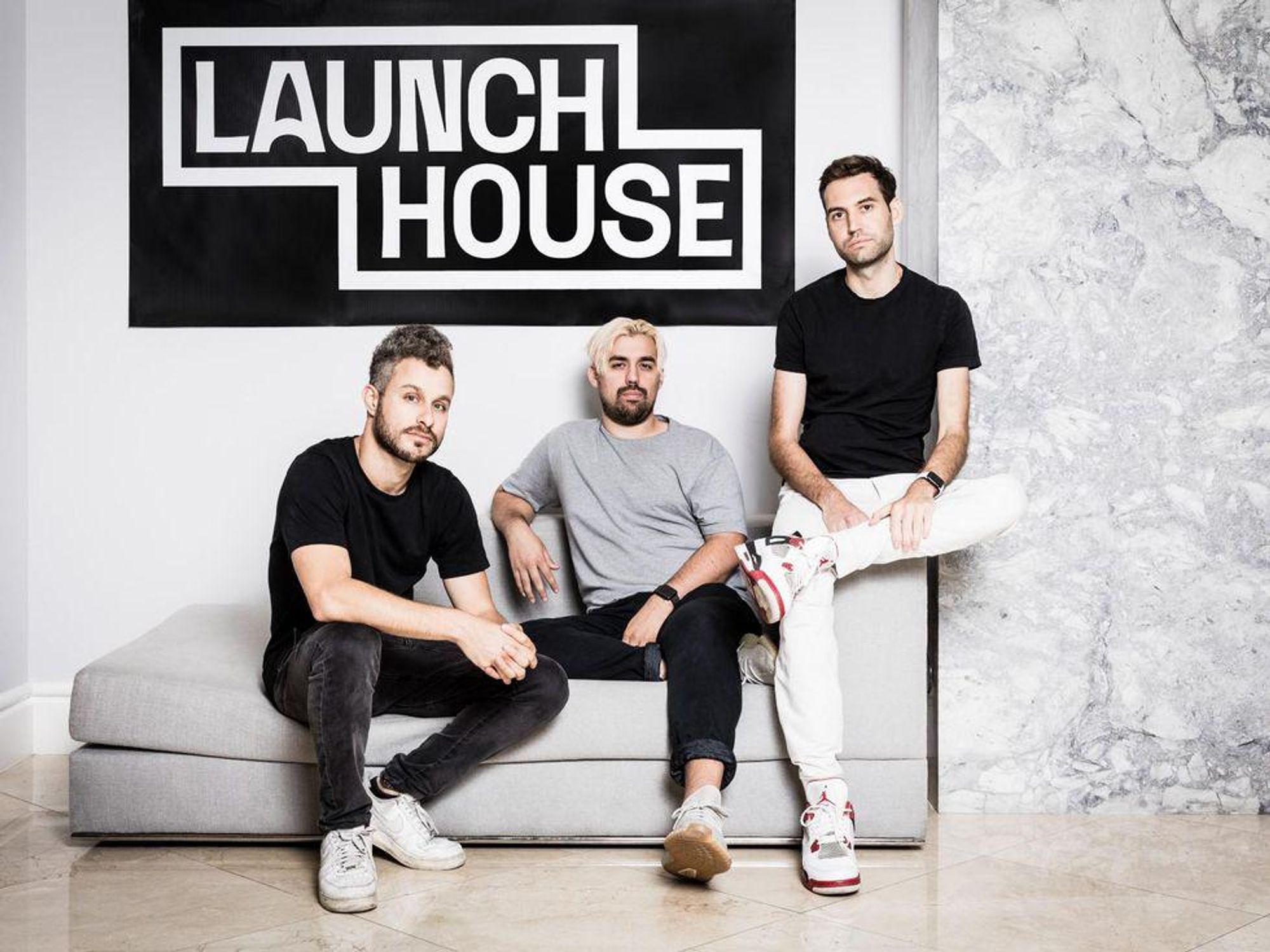
Image courtesy of Launch House

Taking their lead from social media entrepreneurs who are creating content from mansions, a new breed of startup incubators and collectives are cropping up across Los Angeles. Their programs were built largely by young entrepreneurs trying to bridge the creator and startup worlds, speak to a generation that has grown up alongside social media.


Some are inspired by other co-living incubators or from founders who wanted to capture the creative energy those houses spawned.

In the Hollywood Hills, a collective started by two twenty-seven year-old entrepreneurs is helping seed-stage companies land funds and build up their products. Across town, a roving launch house focuses on building biotech entrepreneurs. Another is trying to foster breakthrough products in augmented reality.

Here's a run down of some of the most promising co-living concepts, along with their founders and the projects they're incubating.

Launch House logo

Launch House

Launch House formed last year after one of its founders tweeted about an experimental gathering of entrepreneurs in Tulum, Mexico. Located in a sprawling Beverly Hills mansion, the hub puts a heavy emphasis on social media and influencer-driven business ideas and runs monthly cohorts of about 20 founders each, connecting them with creators to build up their social media game. Potential participants must apply and then pay an annual membership fee, which includes the four-week live-in residency program and access and introduction to investors and advisors. Participants have to be 18 years of age or older.

"Many creators want access to startup investing opportunities but either don't have a way into top deals, or get pitched so often they can't easily decipher what's a good investment," said co-founder Brett Goldstein, "On the reverse side of things, many founders see collaborating with creators as a great way to reach new target audiences because distribution is a hugely scarce resource."

Several Launch House residents have gone on to raise successful rounds from staid investors including Sequoia and Y Combinator, though a Business Insider report about a COVID outbreak after a recent party raised questions about the culture at the home.

Brazen Bio

Started by longtime friends Shawn Carbonell and Brent Witgen, Brazen Bio is a biotech incubator house based in Redondo Beach which also provides members with lab access to Bio Labs in Torrance.

Inspired by other launch houses, the two PhDs wanted to create the first biotech hub in Los Angeles that combines the region's creator economy with its budding scientists and entrepreneurs.

"Part of our goal is to make it one of the top biotech hubs through us being here. As BioscienceLA Chief Executive Officer Dave Whelan would say, 'we're long L.A.'," said Carbonell, "Most companies need to also become media companies to stay relevant, and where better than Los Angeles for that?"

Four startups were accepted in the first round of what Brazen Bio is calling its 'BRZN1 cohort. The program started last month and runs through December. It's replete with a full line up of founder dinners and mixers, access to Bio Labs' equipment and weekly office hours. The founders aren't yet making seed investments but will be establishing a fund for 2022.

Carbonell said they are trying to find ways to promote Brazen through Discord and social media to Gen-Z entrepreneurs and encourage a new generation to enter the STEM field.

house.ai

The 27-year-old co-founders Robbie Figueroa and Luciano Arango moved from the Bay Area to Los Angeles, where they saw a maturing tech scene they thought could be a good place to build startups. The two convinced their tech friends to make the trip down to the Hollywood Hills, where they created a collective and early-stage fund called House.ai.

House.ai doesn't offer a full-time residency like Launch House. Instead, it sees itself as a place where founders can gather to co-work. Figueroa, a general manager for DoorDash in Puerto Rico, and Arango, a co-founder of San Francisco-based ScopeAI, both live in the house. There's no formal application for House.ai — instead, Arango and Figuero select premiere founders and operators to join them.

In the past year, House.ai has provided co-working space for 37 founders. The program connects them with early-stage venture capital and helps them recruit talent and connect to engineers. Figuero and Arango have so far invested in six of the companies — including cannabis wholesaler Nabis, a Y-Combinator-backed company.

Figuero considers House.Ai an industry-agnostic incubator, though its startups tend to gravitate towards fintech, fulfillment and delivery services, along with some consumer and business-to-business companies.

AR House logo

AR House

The AR House was born out of a tweet from augmented reality developer Aidan Wolf: "anyone organizing a house for snapchat lens creators? Would love to do something like that here in LA."

The response was overwhelming. Among those who reached out was AR creator Lucas Rizzotto.

The team quickly coalesced around the idea of a house dedicated specifically to AR creators and developers. L.A., home to AR juggernaut Snapchat, had more than enough talent. Within a week, the two had met their funding goal, much of it coming from the AR community.

Creators must be 18 years old or older to apply. AR House's founders don't take equity in the companies they help launch, but they do help provide participants with AR hardware to support their projects.

The cohorts will have access to a four-week session complete with dinners for founders, meet-and-greets with investors and other programming. The house doubles as an exhibition space for augmented reality projects, too. AR's first cohort started on October 5 and they signed a six-month lease to their Hollywood Hills house.

Rocketship House

Bay Area native and consumer tech founder Katia Ameri and YouTuber Elijah Daniel bootstrapped Rocketship House in November 2020. The house, based in the Hollywood Hills, boasts a stunning view of Los Angeles and an acre-long vineyard where participants are encouraged to collaboratively contribute to projects focused on the creator economy.

Ameri brings a hard-tech background. She raised $2.2 million for her telehealth platform, Mirra, an at-home allergy diagnosis service, before the pandemic started. Daniel brings social media savvy and a knack for making viral videos. The two say they are focused on projects that help creators develop content distribution and revenue streams.

Rocketship's residents have included musician Trevi Moran, musical artist and YouTuber Sam F and nicotine company Lucy co-founder Samy Hamdouche, whose startup is backed by Y-Combinator.

Daniel and Ameri aren't interested in taking equity. Instead, the pair said the want to focus on building a community of creators and tech entrepreneurs. There's no formal application, though interested founders and creators can reach out to Ameri via Twitter to join. The two say they are flexible about how long creators or founders can stay in the house. After experimenting with co-living, Rocketship House's founders said they're pivoting toward a model that will instead seek to foster a digital community and provide a physical workspace.

ADVNTR House

Advntr House was created by the co-founders of a college party app Dive.Chat, Michelle Fang and Kyle Brastrom. Its Gen-Z cohorts have served as founders of a wide variety of consumer, healthcare, fintech and media startups.

"A majority of the people that have entered ADVNTR House have either quit their full-time job, ended a relationship of over a year or dropped out of college," Brastrom said, "People kind of come into the house and then realize 'wow, there's so much opportunity out there'."

Participants live in ADVNTR's Melrose home, but the group also travels to destinations like Big Bear, California and Arizona. Every cohort shares the expenses and collectively develops the group's activities. There's a formal application and interview process to join ADVNTR. The cohort program lasts about eight weeks.

Fang and Brastrom organized L.A. Tech Week, a collaboration with other tech houses including House.ai, Launch House and Together Casa, a real estate startup organizes co-living houses for tech entrepreneurs, creators and other interest-focused communities.

Know of other startup houses around Southern California? Let us know!

https://twitter.com/kaband0
https://www.linkedin.com/in/katherineabando/
This El Segundo Startup Wants to Manufacture Medicine in Space
Varda

🔦 Spotlight

Happy Friday, Los Angeles.

The next major pharmaceutical factory may not be built in Boston, New Jersey or Switzerland.

It may be orbiting hundreds of miles above Earth.

El Segundo-based Varda Space Industries raised a $251M Series D this week to advance an ambitious idea: manufacturing medicines in microgravity and returning them to patients on Earth.

The round was led by Lux Capital and Natural Capital, with participation from Founders Fund, Khosla Ventures, Caffeinated Capital, General Catalyst, 8090 Industries, Giant Step and Also Capital. It brings Varda’s total funding to $598M and reportedly values the company at $1.6B.

That is a considerable amount of capital for a company whose factories periodically fall out of the sky.

Then again, that is the point.

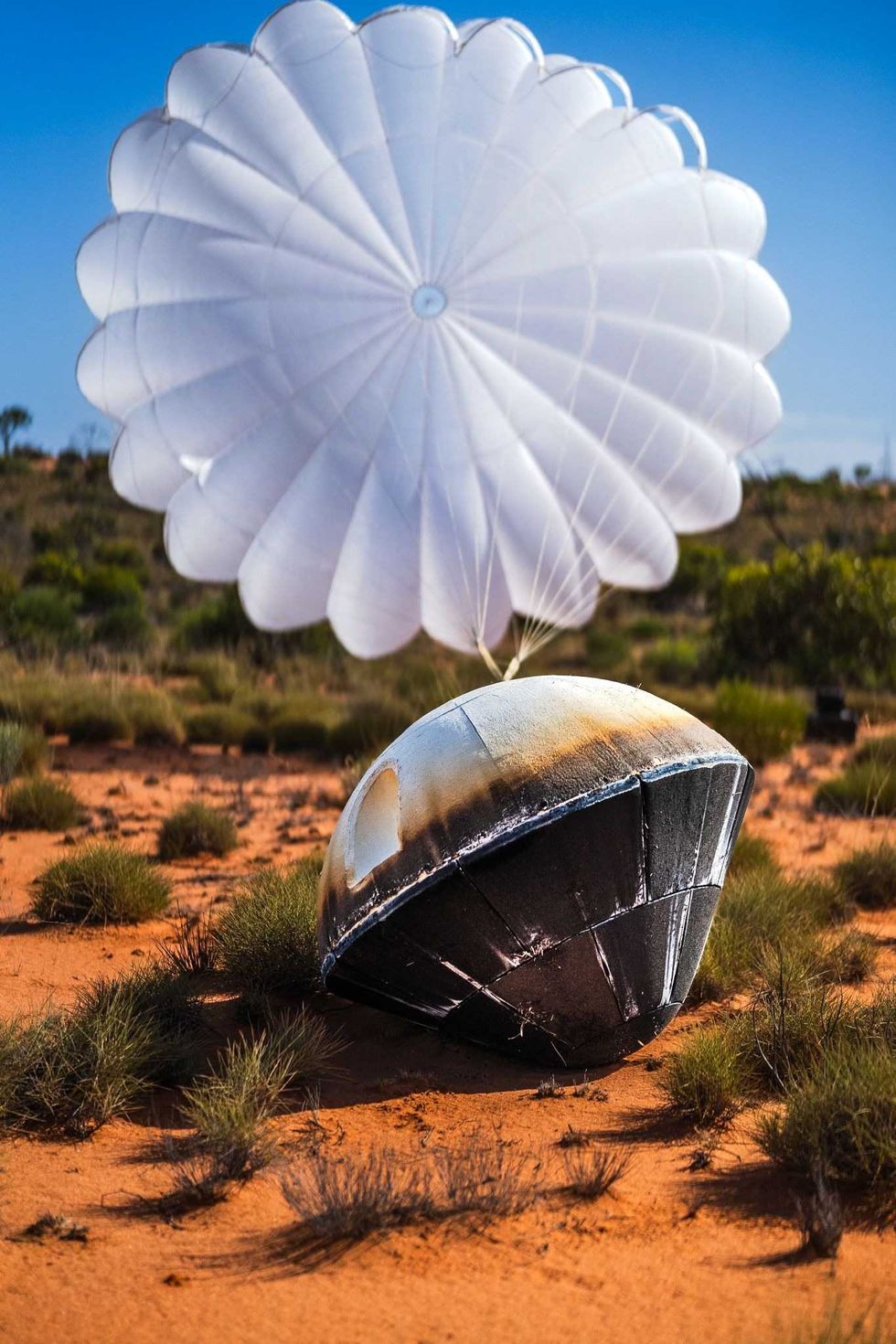
Varda builds compact spacecraft that serve as laboratories and manufacturing facilities in orbit. Its W-Series capsules carry pharmaceutical materials into microgravity, process them in space and return the results to Earth through the atmosphere at roughly 25 times the speed of sound.

Why travel that far to make medicine?

Without gravity pulling molecules downward, certain active pharmaceutical ingredients can crystallize in structures that are difficult or impossible to reproduce on Earth. Those differences could eventually enable drug formulations with improved stability, effectiveness or delivery methods.

The science is not entirely new. Researchers have studied pharmaceutical crystallization aboard the International Space Station for decades. Varda’s challenge is turning that research into something considerably less glamorous but far more valuable: a dependable commercial process.

In other words, the company does not merely want to prove that medicine can be made in space. It wants pharmaceutical companies to treat orbit as another step in the development and manufacturing pipeline.

That requires solving the less cinematic half of the space economy.

Rockets have made it increasingly routine to send cargo into orbit. Bringing commercially useful materials safely and repeatedly back to Earth remains much harder. Varda is building both sides of that equation, pairing microgravity processing with capsules capable of surviving hypersonic reentry.

Varda

Since launching its first mission in 2023, Varda says it has completed six successful reentry missions and has more than a dozen additional launches and returns planned through 2028. This week, the company also launched two W-Series spacecraft aboard the same rocket for the first time, marking another step toward operating multiple orbital factories at once.

The new funding will help Varda increase that flight cadence, expand its pharmaceutical partnerships and move closer to delivering what it hopes will become the first medicine manufactured in space for use by patients on Earth.

There is also a second business descending through the atmosphere.

Because Varda’s capsules encounter extreme hypersonic conditions during reentry, they double as research platforms for government customers testing heat shields, navigation systems and other defense technologies. That gives the company a near-term source of demand while its longer-term pharmaceutical market develops.

The combination is distinctly Southern Californian: part aerospace company, part biotechnology startup and part defense contractor, all operating from a city where building hardware for space has become almost commonplace.

But Varda’s larger opportunity depends on making the extraordinary feel routine.

A single successful space experiment is scientifically interesting. A repeatable network of orbital factories could become an industry.

With $598M raised, six reentries completed and a growing mission schedule, Varda has moved beyond asking whether manufacturing in space is technically possible. The more important question now is whether it can become economical, reliable and useful enough for pharmaceutical companies to adopt at scale.

For decades, Los Angeles helped build the machines that carried people and satellites into space.

Varda is betting the region’s next aerospace industry will be built around what those machines bring home.

More from this week’s LA startup and venture scene below.

🤝 Venture Deals

    LA Companies

    • Charter Space raised an oversubscribed $5M seed round led by Crystal Venture Partners, with participation from QED, Blank Ventures, Gaingels and Hustle Fund, bringing its total funding to $8M. The startup will use the capital to expand its sales team and develop insurance products for emerging space activities, including lunar missions, space-based nuclear power and in-orbit spacecraft servicing. - learn more

    LA Venture Funds
    • Emerging Ventures participated in OSCP’s undisclosed Series A, led by New Science Ventures and joined by 2050 Capital. The Montréal company will use the funding to scale production, expand its engineering and sales teams and launch next-generation photonic navigation sensors designed to operate when satellite signals are jammed, spoofed or unavailable. - learn more
    • Slauson & Co. participated in Satlyt’s $8M seed round, led by Non Sibi Ventures and joined by TLCOM, Antler, Launch Africa Ventures, Enza Capital and other investors. The Sunnyvale- and Nairobi-based startup will use the funding to expand its teams and develop software that runs AI directly aboard satellites, reducing costly data transmissions and eventually connecting multiple spacecraft into a shared orbital computing network. - learn more
    • StoryHouse Ventures participated in Parakeet Health’s oversubscribed $10M Series A, led by Canvas Ventures and joined by Blank Space Ventures and HMC INQ. The healthcare AI company will use the funding to expand its platform, which automates patient communications and scheduling, while growing across additional medical specialties and enterprise health organizations. - learn more
    • Parker89 participated in Homeward’s $120M Series D, led by Saluda Grade and joined by Citi Ventures, Norwest, LiveOak Ventures and other investors; the Austin proptech company also secured $330M in asset-backed debt. Homeward will use the financing to expand its cash-offer and bridge-lending products, improve its AI-powered underwriting platform and make its home-buying and selling services available nationwide. - learn more
    • BAM Ventures participated in OuterSignal’s $22M Series A, co-led by Long Journey Ventures and Abstract Ventures and joined by Top Shelf Ventures, AME Cloud Ventures and other investors. OuterSignal will use the funding primarily to expand its team and advance its customer-intelligence platform, which helps consumer brands personalize marketing using detailed profiles built from their existing commerce and CRM data. - learn more
    • Navitas Capital participated in EliseAI’s $350M funding round, led by Andreessen Horowitz and Bessemer Venture Partners and joined by Ontario Teachers’ Pension Plan and Sapphire Ventures, valuing the company at $4B. EliseAI will use the capital to expand its AI platform for housing and other essential-service industries, building tools that automate leasing, resident support and property operations across more than 6.5M housing units. - learn more
    • Bonfire Ventures co-led Destro AI’s $8M seed round alongside Base10 Partners, with participation from CoFound Partners. The Brooklyn startup will use the funding to expand deployments of its AI platform, which coordinates robots from different manufacturers across warehouse operations, while growing its engineering and research teams. - learn more
    • TenOneTen Ventures and Wedbush Ventures participated in Meadow AI’s $7M seed round, led by Ulu Ventures and joined by York IE, Flying Fish and Leadout Capital. The Seattle startup will use the funding to expand its AI-powered “digital secret shopper,” which monitors retail and restaurant operations in real time, while growing its engineering, product and sales teams. - learn more
    • Fika Ventures participated in Outmarket’s $34.5M Series B, led by SignalFire and joined by Permanent Capital Ventures, TTV Capital and Dash Fund. Raised just four months after its Series A, the funding will help Outmarket accelerate development of its AI platform, which automates insurance brokerage tasks such as policy reviews, coverage analysis, proposals and certificates. - learn more

    LA Exits

    • HMBradley, now operating as MBI, has been acquired by personal finance platform Monarch as the buyer surpasses $100M in annual recurring revenue and 1M members. HMBradley co-founder Zach Bruhnke will lead the newly formed Monarch Labs, where his team will develop additional financial products and services designed to help Monarch expand beyond tracking money into helping consumers manage it. - learn more
    • Vision Films has been acquired by Legacy Distribution, combining the Los Angeles companies’ film, television, documentary and specialty-content libraries into a single global distribution business. The combined company will retain the Vision Films name, with Legacy CEO Dana Webber taking the helm and Vision Films founder Lise Romanoff transitioning into a consulting role. - learn more
    • Creative agency Zambezi received a majority investment from health and wellness-focused private equity firm Manna Tree, with financial terms undisclosed. Zambezi will continue operating independently under its existing leadership while providing branding, media and production services to Manna Tree’s portfolio companies and pursuing new business across the broader consumer market. - learn more
    • Santa Monica-based Advertise Purple was acquired by AI-powered marketing company ONAR for up to $27.8M, marking the buyer’s largest acquisition to date. The affiliate marketing agency, which generated $17.1M in 2025 revenue, will retain its leadership team while adding its Bloom analytics platform and more than 111M performance records to ONAR’s technology portfolio. - learn more
    • EasyLlama was acquired through a majority recapitalization by private investment firm Inverness Graham, with financial terms undisclosed. The compliance software company, which serves more than 5,500 small and midsize businesses, plans to expand its platform, partner network and training content while pursuing growth through strategic acquisitions. - learn more

      Download the dot.LA App

      Rainmaker Just Raised $100M to Solve the Weather

      🔦 Spotlight

      Hey Los Angeles.

      Last year, we introduced you to an El Segundo startup that had raised $25M to make it rain.

      This year, rain is apparently just the beginning.

      Rainmaker raised a $100M Series B to expand its cloud-seeding technology and pursue a much larger ambition: building the scientific and technical infrastructure to understand, influence and eventually mitigate extreme weather.

      In startup parlance, it is a pivot from “make it rain” to “solve the weather.” Subtle.

      The round included NOA VC, DCVC, Lowercarbon Capital, Dream Ventures and LA-based Upfront Ventures.

      When we covered Rainmaker last year, the company was preparing to expand its drone fleet, atmospheric research and commercial partnerships.

      It now says it has generated more than 145M verified gallons of precipitation during a four-month period. During a summer research program near Homer, Alaska, Rainmaker says one operation produced 19M gallons in three hours.

      Those are eye-catching numbers. The company’s ambitions are considerably larger.

      Rainmaker is working to build what it calls a “Weather Prime,” combining atmospheric science, autonomous aircraft, sensors and predictive software into an infrastructure platform capable of responding to water scarcity and extreme weather.

      The idea is to make cloud seeding cheaper, more measurable and easier to deploy at scale. Rainmaker’s drones deliver specialized particles into carefully selected clouds, while radar and software help determine where to operate and measure how much additional rain or snow may have been produced.

      The new funding will help Rainmaker hire more atmospheric scientists, meteorologists, chemists and engineers while expanding its research and data-collection capabilities. The company also plans to move toward increasingly autonomous operations, allowing more missions to be conducted at a lower cost.

      Rainmaker expects its cost per acre-foot of water to fall below alternatives such as desalination and agricultural fallowing in the Colorado River Basin during the upcoming water season. If that projection holds, cloud seeding could begin looking less like an experimental intervention and more like another piece of water infrastructure.

      That “if” is doing some serious atmospheric lifting.

      Cloud seeding has existed for decades, but measuring its precise effects remains scientifically difficult. A successful operation requires the right type of cloud at the right moment, and proving exactly how much precipitation would have fallen without intervention is no simple task.

      Rainmaker’s next challenge, therefore, is not merely to produce more rain. It must make the results measurable, repeatable and credible enough for governments, farmers and communities to trust.

      That responsibility becomes even more important as the company expands its vision beyond water. Rainmaker describes cloud seeding as the first step toward eventually mitigating hail, heat and other weather-related threats.

      It is a grand ambition, even by startup standards. Most founders promise to disrupt an industry. Rainmaker wants to influence the atmosphere.

      The company’s location makes the mission particularly fitting. El Segundo has become a center for startups tackling physical problems with drones, satellites, factories and defense systems. Rainmaker is applying that same aerospace-minded approach to one of the West’s oldest constraints.

      For Los Angeles, this story is about more than another substantial funding round. Rainmaker has progressed from proposing that cloud-seeding technology could be modernized to claiming it has produced rainfall at a meaningful scale.

      Now, with four times the capital it announced last year, the company must prove that those results can become dependable infrastructure.

      California has never been shy about reshaping nature to support its growth. Rainmaker is betting that the next great water project will not be built across the landscape.

      It will fly into the clouds.

      More from this week’s LA startup and venture scene below.

      🤝 Venture Deals

        LA Companies

        • Hair care brand Arey raised an undisclosed Series A led by Unilever Ventures, with returning investors Greycroft and Female Founders Fund also participating. The company, which develops supplements and topical treatments for graying and aging hair, will use the funding for product development, clinical research, hiring and retail expansion. - learn more
        • Fluxnium raised a $7M seed round led by Congruent Ventures, with participation from Constellation Technology Ventures and Active Impact Investments. The company will use the funding to develop, test and scale its fiber technology for extracting uranium from seawater, aiming to create a secure domestic alternative to conventional uranium mining. - learn more

        LA Venture Funds
        • Alexandria Venture Investments participated in BigHat Biosciences’ $75M Series C, co-led by DFJ Growth and Premji Invest, bringing the AI-driven biotech’s total funding to $223M. BigHat will use the capital to expand its autonomous protein-design platform and advance its AI-designed cancer therapies, including BHB810 and BHB299, toward key clinical milestones. - learn more
        • Alt Capital participated in Trebellar’s $18M Series A, led by Blossom Capital and joined by Haystack, 1Flourish and Bynd Venture Capital. Trebellar will use the funding to expand its engineering and go-to-market teams and enhance its AI platform, which helps enterprises combine fragmented workplace data to make better real estate decisions. - learn more
        • B Capital participated in Precision Neuroscience’s oversubscribed $250M Series D, co-led by Pershing Square, the Ackman Oxman Institute and an undisclosed life sciences fund, bringing the brain-computer interface company’s total funding to $430M. Precision will use the capital to expand clinical trials, advance its Layer 7 brain implant through additional FDA review and build the infrastructure needed for commercialization. - learn more
        • Mantis Venture Capital participated in Pilgrim’s $25M seed round, led by Buckley Ventures, which valued the Redwood City defense-biotech startup at $150M. Pilgrim is developing a portable system that monitors the air for viruses and other biological threats, with additional backing from Anthropic leaders, Coinbase co-founder Fred Ehrsam and other technology investors. - learn more
        • Starshot Capital participated as a returning investor in Mojave Energy Systems’ $19M Series B, led by Fairtree Elevant Ventures with a significant investment from River Bay Investments. The Sunnyvale company will use the funding to expand manufacturing, grow its sales team and develop new products for its energy-efficient commercial heating, cooling and humidity-control platform. - learn more
        • 4th Revolution Capital participated in infiniFi’s $3M-plus funding round, led by Electric Capital and joined by New Form Capital, Generative Ventures, Fasanara Capital and others. The decentralized finance platform will use the capital to launch infiniFi Prime, expand its products through neobanks and consumer finance apps and prepare for its Q4 token generation event. - learn more
        • Riot Ventures participated in American Supercritical’s $8M pre-seed round, led by Silent Ventures and joined by Harpoon, Reveille VC, Hillwood, Mana Ventures, Climate Capital and Alumni Ventures. The Denver startup is developing compact systems that use supercritical carbon dioxide to convert gas-turbine waste heat into additional electricity, potentially helping data centers generate up to 50% more power without using more fuel or water. - learn more
        • M13 led Baselayer’s $35M Series A, with participation from Torch Capital, Picus Ventures, Afore Capital and Socure executive Matt Thompson. The company will use the funding to expand its identity and risk infrastructure beyond businesses to AI agents, helping financial institutions verify who an agent represents, what it is authorized to do and whether it can be trusted. - learn more
        • BAM Ventures participated in Bird&Be’s $13M funding round, which was led by BDC Thrive and BFG Partners and joined by Founder Collective, Rejuvenation Ventures and HSR Ventures. The fertility and wellness brand will use the capital to develop new supplements and at-home diagnostic tests, expand its retail presence and broaden access to evidence-backed reproductive care. - learn more
        • March Capital joined Snorkel AI’s $350M Series E as a new investor, participating in a round co-led by Insight Partners and S32 that valued the company at $3.5B. Snorkel will use the funding to expand its platform for creating the specialized datasets and training environments needed to develop and evaluate advanced AI models and agents. - learn more
        • Clocktower Technology Ventures is among the investors backing Soteris, which has raised more than $8M in seed funding led by Spider Capital. The Y Combinator-backed insurtech company has emerged from stealth with an AI platform that helps property and casualty insurers identify the profitability and expected losses of individual policies, potentially improving margins without changing rates or staffing. - learn more
        • Smash Capital led Firecrawl’s $75M Series B, with participation from Altos Ventures, Nexus Venture Partners, Y Combinator, Freestyle and Offline Ventures. Firecrawl will use the capital to expand Alexandria, its new platform that gives AI agents one place to access the live web, specialized indexes and licensed data while compensating the people and organizations supplying that knowledge. - learn more
        • ND Capital participated in Ramona’s $25M Series A, which was led by ARCH Venture Partners and joined by Stealthpoint, Fall Line Capital, Hamamatsu, Murchison Capital Partners and Overlap Holdings. Ramona will use the funding to expand production and grow its team as it scales a 24-camera microscope that captures entire biological experiments at cellular resolution, generating richer data for drug discovery and AI models. - learn more
        • Chisos Capital participated in Axio BioPharma’s $2.4M pre-seed round alongside Elmstead Partners, the Chemical Angel Network and several angel investors. The Madison-based company will use the funding to deploy its Axio Lattice platform, which connects manufacturing data across pharmaceutical companies and their partners without requiring either side to replace existing systems or relinquish control of its data. - learn more

        LA Exits

        • Zuma has been acquired by real estate technology company Venn for $50M, bringing its AI leasing tools and engineering team into Venn’s platform. The combined company plans to help multifamily operators automate leasing and eventually expand its AI capabilities into collections, renewals and resident support. - learn more
        • GTXN was acquired by digital asset platform Luno for an undisclosed amount, bringing its licensed collection and payout infrastructure into Luno’s operations. GTXN will serve as Luno’s cross-border payments arm, helping enterprise customers move money between developed and emerging markets through a single provider with fewer intermediaries and faster settlement. - learn more
        • Podium Entertainment was acquired by private equity firms Shamrock Capital and Flexpoint Ford for more than $400M, with GoldState Music also taking a minority stake. The audiobook and publishing company, which has built a catalog of roughly 15,000 titles by working with independent authors, will retain its existing management team. - learn more

          Download the dot.LA App

          Impulse Space Just Raised $308M to Build the Roads in Orbit
          Impulse Space

          🔦 Spotlight

          Happy Friday, Los Angeles.

          Space may not have roads, but it still has a transportation problem.

          Rockets have become remarkably good at carrying satellites beyond Earth. Once those satellites reach space, however, getting them from one orbit to another can still be slow, expensive or impossible.

          Redondo Beach-based Impulse Space wants to change that, and investors are giving it considerably more fuel for the journey.

          The company raised a $308M extension to its Series D, bringing the round’s total to $808M. The new financing comes just over three months after Impulse announced the initial $500M raise and pushes its total capital raised above $1.3B.

          Existing investors 137 Ventures, BANNER VC, DFJ Growth, Linse Capital, Lux Capital and Valor Equity Partners participated in the extension. Impulse did not disclose a valuation, but convincing existing backers to commit another $308M so soon after an already substantial round is a strong signal of confidence in both the company and the market it is pursuing.

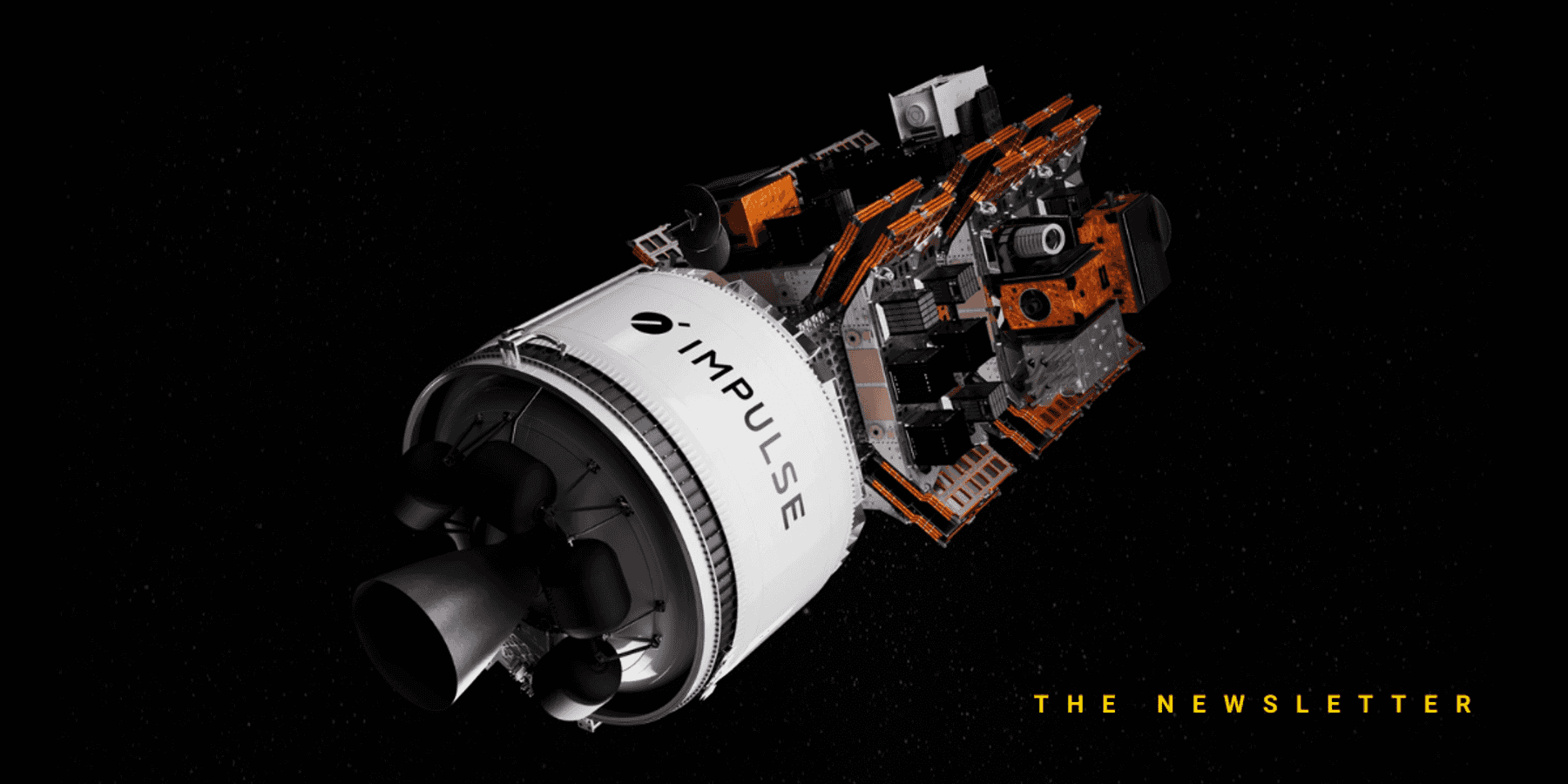
          Founded by former SpaceX propulsion executive Tom Mueller, Impulse is building vehicles designed to move satellites and payloads after they have already reached space. If rockets are responsible for getting cargo off the ground, Impulse wants to handle what happens after delivery.

          Impulse Space

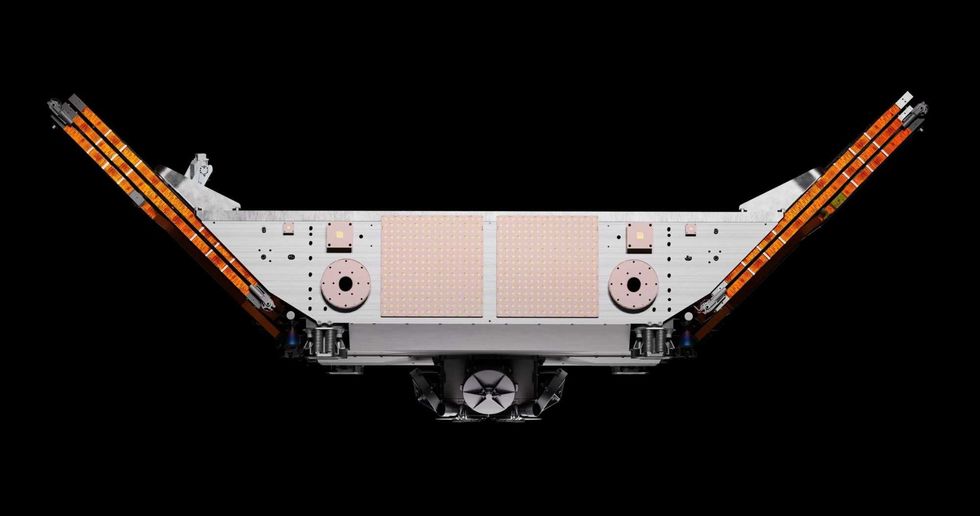
          Its Mira spacecraft is built for precise maneuvering, payload deployment and proximity operations in orbit. Helios, scheduled for its first flight in 2027, is a high-energy kick stage designed to move payloads from low Earth orbit to destinations such as geostationary orbit in less than a day. The company has also introduced an electric propulsion system called Electra and a rideshare service aimed at making higher-energy orbits more accessible.

          Together, those products represent something larger than a collection of spacecraft. Impulse is attempting to build a transportation network for an economy that increasingly needs one.

          That need is becoming harder to ignore. More satellites are reaching orbit, governments are prioritizing responsive space capabilities and commercial operators want greater flexibility after launch. A satellite that can change position, reach a different orbit or respond quickly to a new mission is significantly more useful than one permanently tied to its original destination.

          The U.S. government is already putting Impulse’s thesis to work. Helios was selected for the U.S. Space Force’s National Security Space Launch Phase 3 Lane 1 program, making it the first upper-stage prime awarded a position in the program. Impulse also received a $28M contract extension to provide two Mira spacecraft for additional Space Systems Command missions.

          The company says its headcount has more than doubled over the past year as it expanded its facilities in Redondo Beach, Mojave, Boulder and Washington, D.C. The new capital will support further hiring, product development and facility growth as Impulse works to serve commercial, civil and defense customers.

          It also recently appointed its first chief financial officer, Adam Townsend, who previously helped guide Vizio through an IPO and its eventual sale to Walmart. The hire is another sign that Impulse is preparing for a more complex chapter, one defined not only by engineering milestones but also by a growing capital base, government contracts and large-scale operations.

          That is where this announcement becomes more interesting than its considerable price tag.

          Impulse has already shown that Mira can operate in space. Now it must prove that it can turn several ambitious vehicles into dependable infrastructure. The difference between a promising spacecraft company and a transportation network is repetition: more missions, more customers and systems that work reliably enough to become part of how the space economy operates.

          An $808M round gives Impulse the resources to pursue that vision. It also raises the expectations attached to it.

          For Southern California, the financing reinforces the region’s role in the new space economy. Los Angeles helped build the original aerospace industry, and a new generation of companies is now developing the vehicles, factories and infrastructure intended to support life beyond the launchpad.

          Impulse Space is tackling what may be the next big bottleneck. Getting to space is only the beginning.

          Someone still has to get you where you are going.

          More from this week’s LA startup and venture scene below.

          🤝 Venture Deals

            LA Venture Funds

            • Riot Ventures co-led EnduroSat’s $205M funding round alongside Atreides Management, with participation from GV, Founders Fund, Lux Capital, the European Innovation Council and other investors. The Bulgarian space company will use the capital to open a high-volume satellite factory in the U.S., build a major European space and defense hub and scale production of its standardized spacecraft. - learn more
            • Upfront Ventures and M13 participated in Ayble Health’s $16M Series A, led by Neon and joined by Unum Ventures, Cleveland Clinic Ventures, DigiTx and Accomplice. The virtual-care company will use the funding to expand its AI-enabled clinic for chronic digestive and autoimmune conditions across national health plans, major employers and benefits platforms, bringing its total capital raised to more than $27M. - learn more
            • Blue Heron Ventures participated in Voxela’s Series A, led by Delight Ventures and joined by SOMPO Growth Partners, Happiness Capital, Archetype Ventures and ALL STAR SAAS FUND, bringing the eldercare technology company’s total funding to approximately $13.2M. Voxela will use the capital to expand hiring and develop new AI capabilities for its VCare platform, which helps care facilities monitor residents, prevent incidents and automate administrative work such as documentation and reporting. - learn more
            • Clocktower Technology Ventures participated in Mainstay’s more than $18M growth round alongside new investors Parker89, Stackpoint, Alpaca VC and FJ Labs, as well as returning backers Khosla Ventures and Era Ventures. Mainstay also acquired AI-powered listing platform Truelist and will use the funding to bring its real estate data, pricing and automation infrastructure to more brokerages, agents and smaller investors. - learn more
            • Amboy Street Ventures participated in Evvy’s $40M Series B, led by Catalio Capital Management and joined by new and returning investors including Rethink Impact, Muse Capital, Labcorp Venture Fund and General Catalyst. Evvy will use the funding to expand its AI-powered women’s health diagnostics and care platform, beginning with fertility, while growing distribution through physicians and strategic partners. - learn more
            • Second Sight Ventures participated in Fin.com’s $20M seed round, led by Expa and Uber co-founder Garrett Camp, with backing from Coinbase Ventures and other investors. The payments infrastructure startup will use the funding to expand its cross-border network through additional acquisitions and plans to acquire a bank within six months. - learn more
            • Clearlake Capital, Mantis Venture Capital and Sound Ventures participated in Factory’s $200M funding round, which valued the AI software development company at $5B and brought its total funding above $400M. Factory will use the capital to accelerate research, product development and global expansion for its platform, which enables enterprises to build, manage and improve software using autonomous AI agents. - learn more
            • Navitas Capital led Scaffold’s $15M seed round, with participation from D.R. Horton, Pulte Homes, Builders FirstSource and other construction-industry investors. The Austin startup will use the funding to expand its engineering team and broaden its AI-powered platform, which connects homebuilders, contractors and suppliers to automate scheduling, purchase orders and other coordination work. - learn more
            • Halogen Ventures led it’s electric’s oversubscribed bridge round, joined by Wisdom Ventures, Future Communities, E8 Angels and other new and returning investors, bringing the curbside EV-charging startup’s total funding to $15M. The financing will support its rapid expansion, including a New York City contract to install hundreds of locally manufactured chargers across all five boroughs over the next three years. - learn more
            • Matter Venture Partners participated in Delos Data’s more than $100M funding round alongside Matrix, Playground Global, Socratic Partners, Capricorn’s Technology Impact Fund and IAG. The Palo Alto startup will use the capital to expand its engineering teams and accelerate development and sales of its Nonstop AI infrastructure, designed to reduce network bottlenecks and improve the speed and efficiency of AI inference. - learn more
            • Mantis Venture Capital and Gold House participated in A Vinyl Bar in Shibuya’s $5.5M pre-seed round alongside SV Angel, BoxGroup, Quiet Capital and other investors. Founded by Spotify’s former head of innovation, the startup is developing playful music apps that let users remix, manipulate and collaboratively create sounds rather than simply stream or generate songs. - learn more

            LA Exits

            • Headspace has agreed to be acquired by AI healthcare company Sword in a deal expected to close by the beginning of Q4 2026; financial terms were not disclosed. The acquisition will combine Headspace’s mental health brand, global consumer base and network of more than 15,000 providers with Sword’s AI-powered clinical platform to offer more personalized and continuous care. - learn more
            • Nasty Gal was acquired by WSG Brands for an undisclosed amount, adding the women’s fashion label to a portfolio that also includes Von Dutch and Allbirds. WSG plans to expand Nasty Gal internationally and into categories such as footwear, beauty, activewear and accessories while growing its direct-to-consumer, wholesale and licensing businesses. - learn more
            • Converse Health was acquired by healthcare AI company Hello Patient for an undisclosed amount, bringing its back-office automation technology into the buyer’s platform. The combination will allow medical practices to use one system for patient communications and administrative work such as referral processing, chart follow-ups, authorization paperwork and medical records. - learn more

              Download the dot.LA App

              RELATEDEDITOR'S PICKS
              Trending