
Rock the Bells President James Cuthbert on Building Hip Hop's Legacy

Sarah Favot

Favot is an award-winning journalist and adjunct instructor at USC's Annenberg School for Communication and Journalism. She previously was an investigative and data reporter at national education news site The 74 and local news site LA School Report. She's also worked at the Los Angeles Daily News. She was a Livingston Award finalist in 2011 and holds a Master's degree in journalism from Boston University and BA from the University of Windsor in Ontario, Canada.

James Cuthbert
Image courtesy of Rock the Bells

More than 30 years ago, a young LL Cool J debuted the first single off his "Rock The Bells" album.

At the time, hip hop was still a new cultural force, and few young rappers were thinking about preserving its traditions. Now, many of those who helped build the global culture are gone – from the Wu Tang Clan's Ol' Dirty Bastard to Tribe Called Quest's Phife Dawg to, most recently, Shock G – and LL Cool J is trying to build a brand for classic hip hop, one that pays back some of its artists.

Named Rock The Bells after the song of the same name, the Los Angeles-based company sees itself as a content and commerce brand dedicated to the OG's of hip hop, some of whom have an ownership stake in the company.


Its website offers a curated mix of classic hip hop merchandise like Kangol bucket hats, Timberland boots and Gucci and Louis Vuitton accessories, as well as stories and video content. The brand also includes a SiriusXM Radio channel, which launched in 2018.

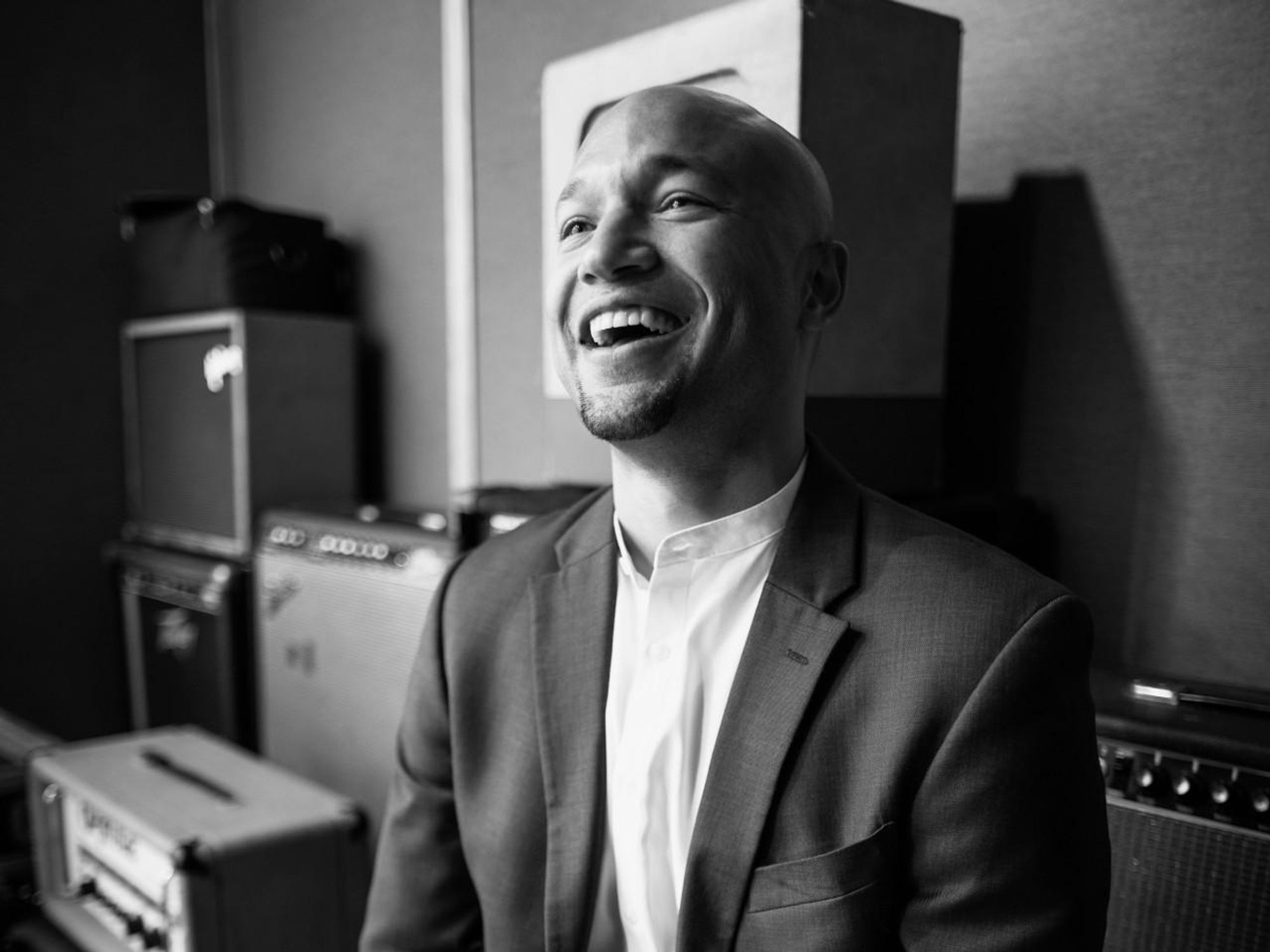
Former BET and Coca Cola executive James Cuthbert sits at its helm, helping LL Cool J steer the company.

The startup recently raised $8 million through a recent Series A funding round led by Raine Ventures. Cuthbert has big plans for that new cash infusion including a documentary series and live experiences, even a Rock The Bells music festival.

Cuthbert, 39, joined Rock The Bells in October, leaving his job as senior vice president of brand strategy and marketing at BET. He sat down with dot.LA to discuss his role, the new funding, Rock The Bells' mission and how it is uplifting classic hip hop artists for those who grew up with their music as well as those just discovering it.

One thing that LL Cool J has said is that Rock The Bells was intended to uplift classic hip hop artists, many who didn't make the money off their music that some feel they should have. Big Daddy Kane, Run DMC, Eric B, Salt-N-Pepa, Fab 5 Freddy, Risk, Crazy Legs, Roxanne Shanté and Jonathan Mannion all have ownership in the Rock The Bells brand. How does that change what you do and how you carry out your mission?

JC: If you think about it, we're the only brand that's literally owned and operated by a culture that they created. Hip hop evolved to be, literally, the biggest influence on global popular culture. We want to call ourselves the preeminent brand of classic and timeless hip hop and really build the bridges from today to tomorrow. By having these icons that own part of Rock The Bells, not only does that allow us to honor them, but more importantly that allows us to make sure that we shepherd this culture forward in the most authentic way.

Why is it important to honor the OGs of hip hop?

JC: They built what we stood upon. Cultures that survive and thrive and continue and push forward are the ones that continue to tell the stories and have the mythology that it sits under. When you lose your past you can be destined to become defined by what's happening now. When I think about honoring the past, there's an opportunity for us to really just carry the torch, but most importantly ensure that this culture continues to thrive.

It's no different than any other genre you think about, like films. If you only looked at the films that came out in the last three years and said, "hey man I want to make movies now." Or should you go back and say "hey I'm gonna go all the way back and look at what John Singleton or Hitchcock are like, and I want to look at some of these others"? This is a whole level of creativity. There's value in what's happened in the past and the creativity of what was done. And I think it's easy to see that in almost every other facet of our life and hip hop culture is no different.

You talked about honoring the past and then carrying the mission into tomorrow. What are some of the things you've learned that are important to what people are doing today?

JC: One of the things we've learned is this idea of building bridges. This is not just about honoring the past. This is about connecting the culture to the future. So we talk about this idea of sparking intergenerational conversations between fathers and sons, mothers and daughters, where they can speak about the elements of hip hop, what music they like and how that connects to today or even fashion, we think about different retro trends that allow people to connect. There are these natural cultural connections and bridges. Hip hop didn't start because a bunch of people said, "let's make some money and let's come up with a business model". It started to give a voice to the voiceless. It was born out of: "I have a voice, I have something to say and I want to share it with the world."
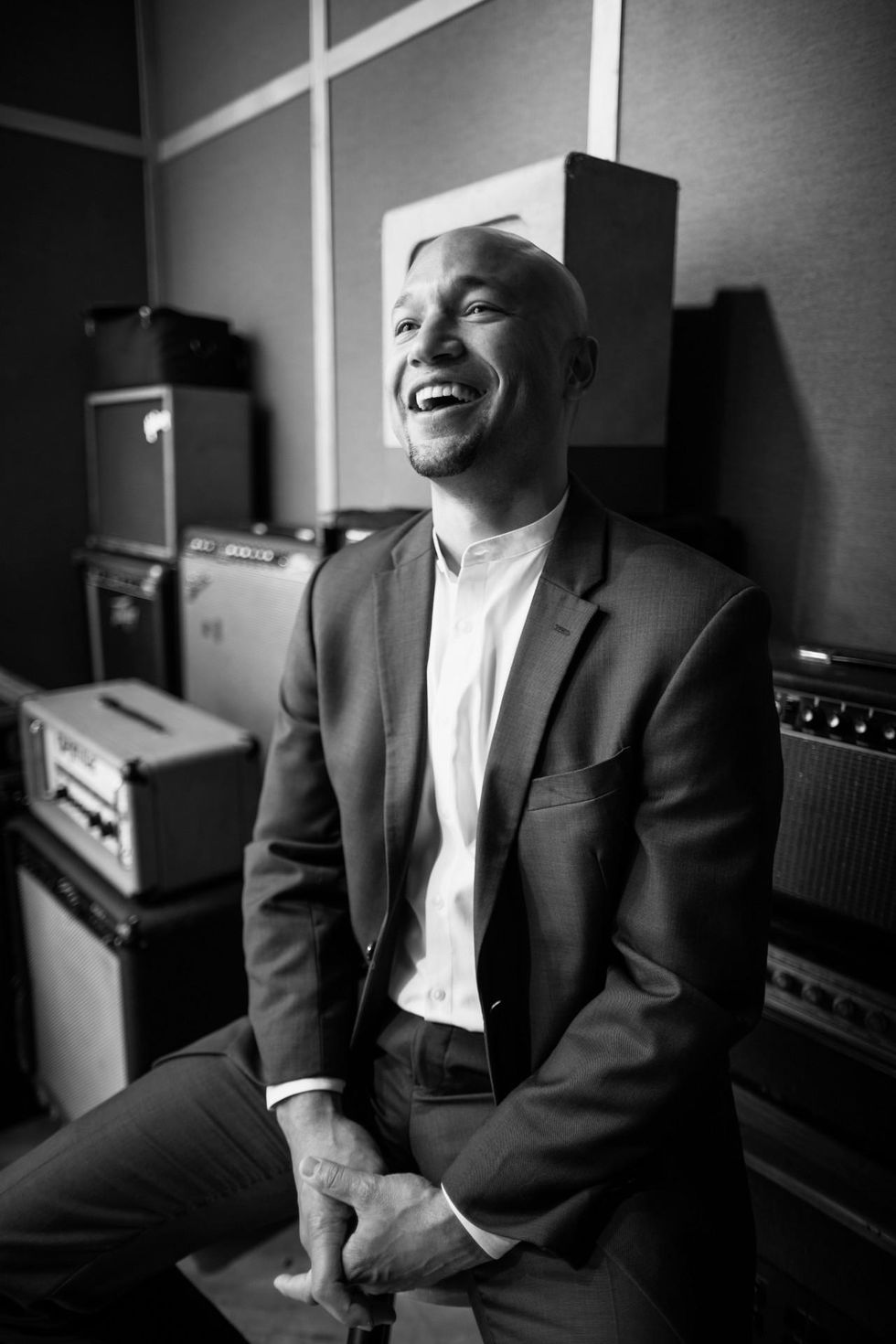
James Cuthbert

Rock the Bells President James Cuthbert

Image courtesy of Rock the Bells

What are you going to be doing with the new funding?

JC: A lot of what we'll be spending the money on is building out a world-class team that can work across all three pillars. The way that we think about marketing is content, commerce and experiences. The future of content is commerce, the future of commerce is content. Those two are integrated. When you do an experience, of course there's going to be a commerce element. And if you do an experience, you should be creating content, maybe a documentary around it.

How are you expanding your direct-to-consumer business?

JC: From a content perspective, you're going to start seeing custom content being created. You'll see episodic content that ties back to classic hip hop. We're going to see that start to roll out at the tail end of this month and early into May. You'll start to see long-form docuseries and content currently in development, some really cool, big ideas and some amazing talent that we're beginning to partner with to create that. When this culture is elevated, there's such amazing stories and given the care that it deserves, it wins in the marketplace.
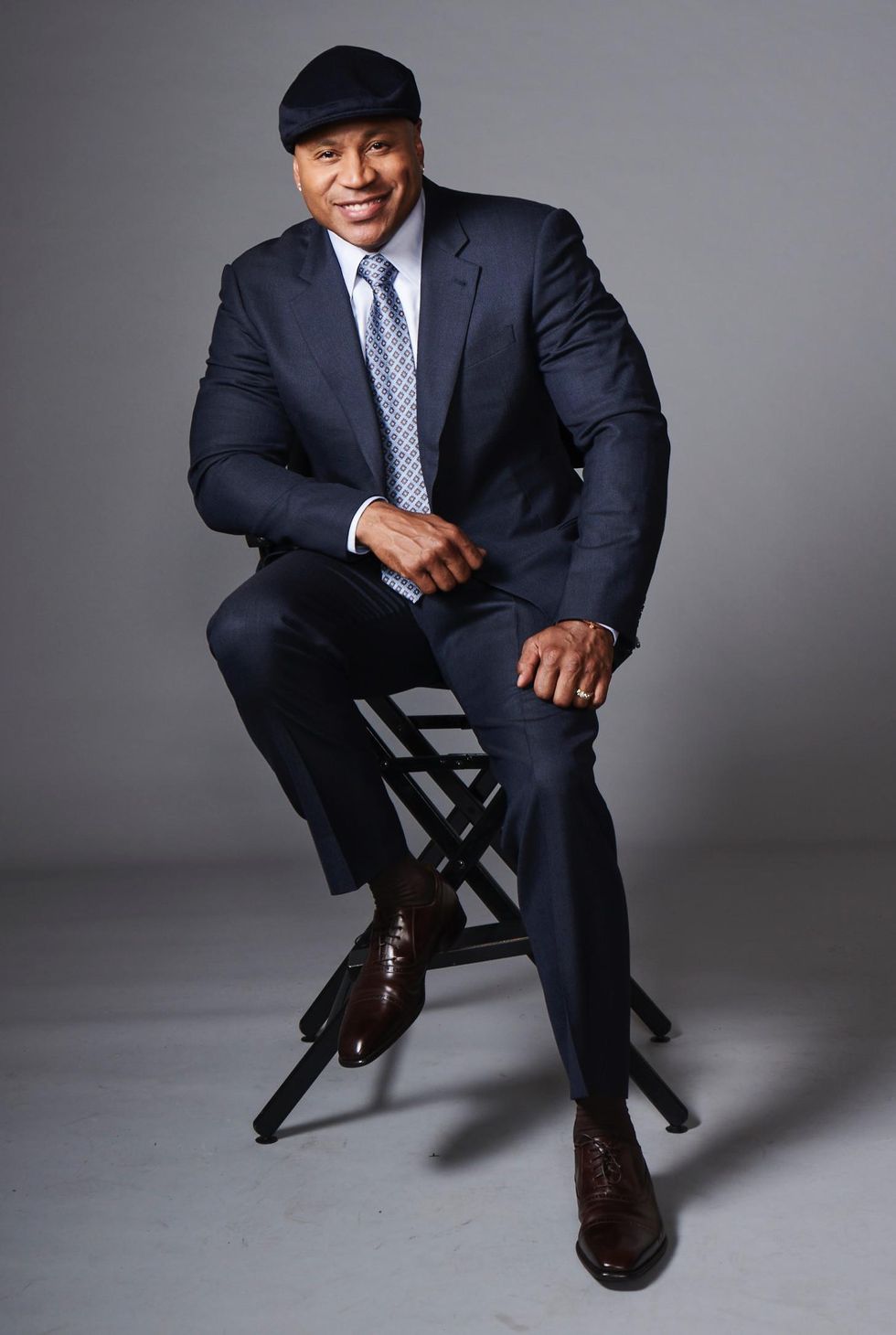
LL Cool J

Hip hop icon and Rock the Bells CEO LL Cool J

Photo by Peter Yang

How does being in L.A. influence what you're doing?

JC: We're positioning ourselves to be global, but hip hop is also hyperlocal. There's amazing talent and a hip hop culture that lives in L.A. Obviously, there's some amazing things that happen on the film side in L.A. so being there especially when you think about content or long-form content, is kind of being on the tip of the spear of new technologies that allow us to really engage our audience.

Some of hip hop's most iconic rappers have been lost in recent years. Thinking about everyone from Phife Dawg to Ol Dirty Bastard and most recently the death of DMX. What is the impact on your audience?

JC: DMX had such a powerful story, ODB as well, but when you really dive in, these people highly impacted our lives. Their sincerity, their authenticity, their ability to overcome, their voice, their uniqueness. And as you listen to the music over and over again and watch the interviews, they impact your journey. When somebody passes away that lives within the lexicon of classic hip hop, oftentimes you don't realize the impact until they're gone. You're like," I have never met this person but feel like somebody punched me in the stomach," so how can we honor them and lift them up and make sure their stories continue to get elevated?

How has the death of George Floyd, Duante Wright and so many others along with the wave of protests and national conversations about racial injustice altered the way you look at your work?

JC: As a Black-owned company and a culture-first company, when I look at the employees, you're still coming into work, but you're dealing with so much weight. Racial injustice is something that's been a cancer on American society for a long time and when it percolates it kind of comes into the zeitgeist and you think about how that's vocalized in a very unapologetic way through hip hop.

It first affects the human beings that are working at Rock The Bells, but most importantly there's a responsibility for us to amplify those voices and make sure that we're pushing towards justice. What is some of the good work that needs to be done? What's our role in doing that good work for the community to make sure that that doesn't happen again?

Have you seen an influx of support as a Black-owned business? You're elevating Black brands?

JC: In some respects, we've seen some of that. LL Cool J put out a really impactful freestyle today that's still one of the highest performing pieces of content we put out because it was honest and it was true, talking about injustice. What I have seen is different companies and brands and potential partnerships where people are starting to unveil and not be afraid to say what's true, which is always good to hear. You're seeing some behavior changes and some actual sweat from some of these different partners in the community. For us, we kind of live it everyday. We're not necessarily looking for incremental support, but what we're looking for is positive change.

Rock The Bells launched during the pandemic. There's been a decline in global retail sales of licensed products because of the cancellation of live music events during the pandemic. How has this affected you?

JC: I would say we're a little bit early on as we start to license some of our products out. I'll say that we're actually doing pretty good. I think we're going to exceed our plan on our commerce business this year. There's a lot of new trends and things that are happening, live commerce is one of them, which has kind of exploded in places like Asia. How are you entertaining people? How do you also allow them incremental opportunities to buy? How is that commerce integrated in the content in a way that doesn't feel forced? People will continue to purchase if you're driving significant value and they believe in what your brand stands for.

What is the most profitable part of the company? What do you see growing?

JC: Some of the "experiences" stuff is fairly profitable. The business model for virtual events has been rejiggered, but there's an opportunity to share a really meaningful, impactful and engaging experience online. Rock The Bells merch has been incredibly profitable for us. We have rocked it with our SIRIUS XM channel. Rock The Bells [channel] has been working very well for us and it's really allowing us to speak out our brand proposition on radio and creating a meaningful, highly curated listening experience for fans of classic hip hop.

What's on the horizon for Rock The Bells? You already talked about the docu-series. Is there anything else we should be looking out for?

JC: In general, when you think about Rock The Bells, you should always see classic hip hop through a modern lens, which is classic hip hop elevated. What you'll continue to see is us taking this culture, and doing the best that we can do to elevate it. I'm going to do something that won't just appeal to the people that are kind of like raised with it, but the whole next generation is going to be able to enjoy these stories, enjoy the commerce items and the really cool merch and eventually come to some experiences that will be able to see it come to life.

LA’s Defense-Tech Boom Is Going Underwater

🔦 Spotlight

Happy Friday, Los Angeles.

Southern California’s defense-tech industry has spent the past several years looking toward the sky.

Odin Dynamics is heading in the opposite direction.

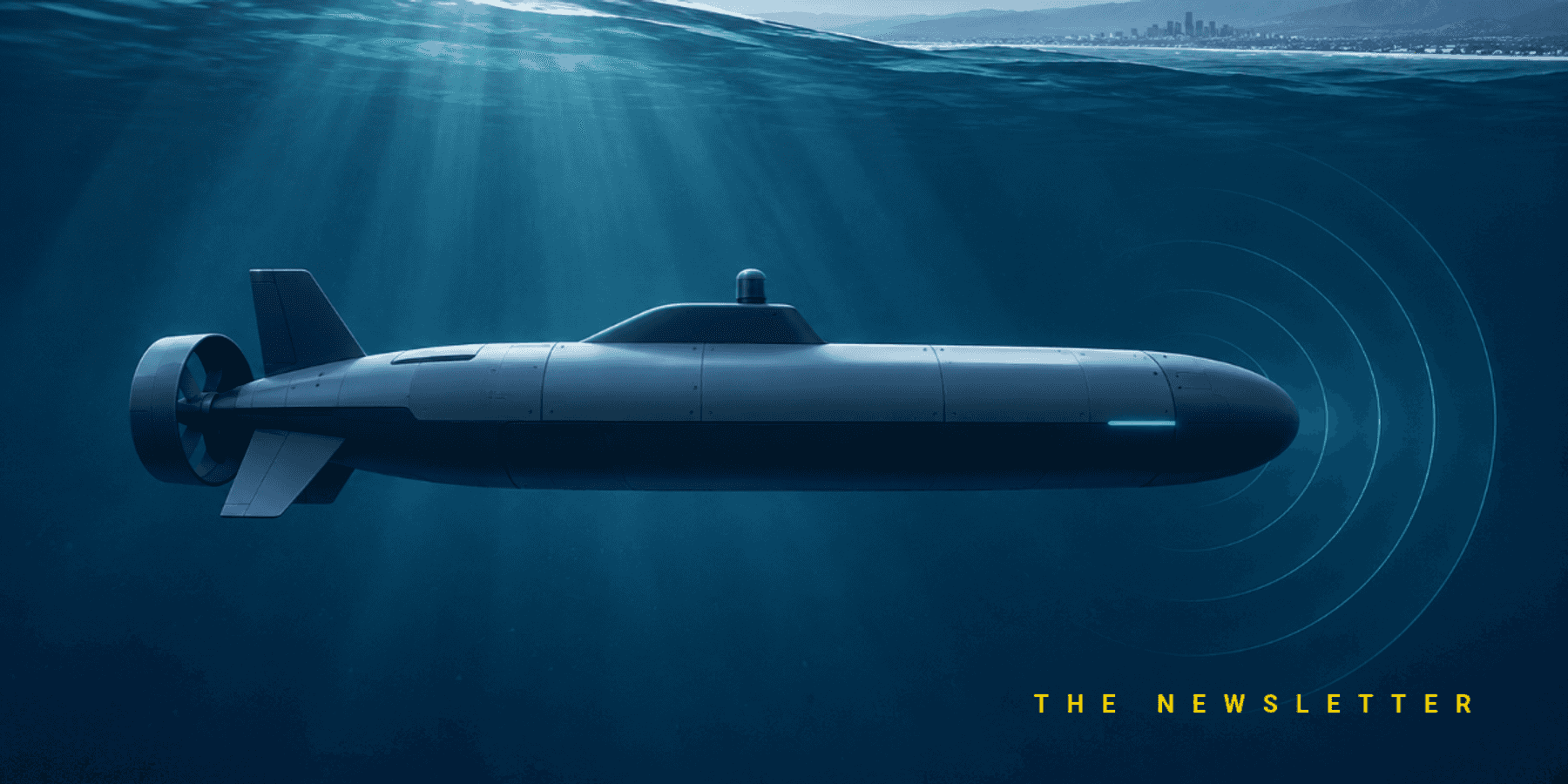
The Los Angeles startup emerged from stealth this week with $17M in total funding to build autonomous vessels designed to operate above and below the ocean’s surface.

The financing includes a $13.75M seed round from Freestyle VC, BlueYard Capital and Sierra Ventures.

Its first product is Dolphin, a family of unmanned underwater vehicles built for long-range naval missions. The smaller Dolphin S can operate for more than three days, carry roughly 50 pounds and be deployed without the submarines and other expensive infrastructure required by conventional torpedoes.

The company is also developing a medium-sized version capable of carrying significantly larger payloads, along with an autonomous surface vessel and a separate line of power systems for the Navy.

This is not merely a prototype looking for a customer. Odin says it secured more than $20M in contracts during its first year, and its Dolphin platform is already covered by a Pentagon prototype agreement. The company expects to begin delivering Dolphin S vehicles to the Navy in early 2027.

That speed reflects a broader shift in how the Pentagon is approaching military technology. Instead of relying exclusively on a small number of large and costly platforms, defense agencies are increasingly looking for autonomous systems that can be manufactured quickly, deployed in greater numbers and adapted for multiple missions.

For undersea operations, the engineering challenge is especially difficult. Vehicles must navigate without dependable GPS or communications, withstand pressure and remain operational for days without human intervention.

Odin’s answer begins with energy.

Co-founder and CEO Amir Hasan Khan previously worked on batteries and powertrains at Tesla before helping develop electric boats at Arc. Odin now designs its batteries and powertrains internally, combining them with its autonomy software to extend the range and endurance of its vessels.

That vertical approach is increasingly familiar across Southern California’s defense sector. Companies such as Anduril, Castelion, Mach Industries and Neros are building more of their hardware, software and manufacturing systems under one roof, aiming to move from concept to deployment faster than traditional procurement cycles typically allow.

Odin is applying that same philosophy to a part of the defense market that receives far less public attention than drones, missiles or satellites.

The ocean may be less visible, but it is becoming increasingly important. Undersea cables carry global communications, maritime routes underpin international trade and the Indo-Pacific has placed naval technology closer to the center of U.S. defense planning.

Odin is positioning itself for that change with systems designed to travel farther, remain at sea longer and be produced at a scale that conventional naval hardware rarely reaches.

The company still has to prove it can turn early contracts and working prototypes into reliable production. But it is already moving beyond the stage where many hardware startups stall: building a compelling demonstration without securing a path to deployment.

Los Angeles’ defense-tech ecosystem has become known for rockets, aircraft and autonomous systems in the sky. Odin’s arrival suggests its next frontier may be the one beneath the surface.

More from this week’s LA startup and venture scene below.

🤝 Venture Deals


LA Venture Funds
  • Kinship Ventures participated in Hone Health’s $228M financing, which was led by MarcyPen Capital Partners and included $28M in equity and $200M in growth financing from General Catalyst’s Customer Value Fund. Hone will use the capital to expand its physician-led longevity programs, add advanced diagnostics and develop AI tools that help clinicians turn patient data into personalized care plans. - learn more
  • Cobalt Capital and existing investor Upfront Ventures participated in BrightAI’s $97M financing, which was led by Smith Point Capital and brought the company’s total funding to $184M. BrightAI will use the capital to expand its physical AI platform, which combines sensors, autonomous robots, drones and wearable tools to help operators monitor infrastructure and prevent failures across energy, water and other essential industries. - learn more
  • Struck Capital participated in Sequel’s oversubscribed $15M funding round, which was led by Sorenson Capital and brought the company’s total funding to $26M. Sequel will use the capital to expand its AI agents, audience data infrastructure and personalization tools, helping businesses turn webinars and other video content into marketing insights, content and sales opportunities. - learn more
  • Mucker Capital participated in Linq’s $90M funding round, which was led by Andreessen Horowitz and valued the AI infrastructure company at $1B. Linq will use the capital to expand the messaging, calling and computing tools that allow businesses to deploy AI agents capable of communicating with customers and completing tasks across phones and software. - learn more
  • Overture Ventures led Aarden’s $8M funding round, with participation from Madrona and Propeller, bringing the company’s total raised to $12M. Aarden uses AI and geospatial data to help landowners, developers and investors evaluate land for uses such as data centers, energy projects, housing and conservation, and will use the funding to improve its market intelligence, advance transactions and grow its team. - learn more
  • Alexandria Venture Investments participated in Seawolf Therapeutics’ $100M financing, which included a seed round led by Versant Ventures and a Series A backed by Versant, MPM BioImpact and Novartis Venture Fund. The San Diego biotech will use the capital to advance its DNA-delivery platform and therapeutic pipeline, including a lead metabolic-disease program, while pursuing a separate Sanofi partnership worth up to $1.2B in potential milestones. - learn more
  • Cedars-Sinai Technology Ventures participated strategically in TestDynamics’ $9M financing, which included a Series A led by Healthier Capital. TestDynamics will use the funding to expand clinical validation and hospital deployments of Satori, its vendor-neutral platform that continuously compares medical-imaging AI algorithms and delivers radiologists a single prioritized result. - learn more
  • Halogen Ventures participated in Scoutz’s $600,000 pre-seed round, which was led by Delaware Seed and brought the company’s total funding to more than $1M. The AI-powered recruiting platform will use the capital to expand its basketball business and begin supporting additional sports, starting with volleyball and later adding soccer and football. - learn more

LA Exits

  • The Africa Channel is being acquired by South African media and advertising group Primedia, giving the buyer its first owned-and-operated U.S. television network and streaming platform. Primedia plans to expand the company’s international distribution, original programming and advertising business while combining its linear channel, Demand Africa streaming service, production studio and AI team under the newly established Primedia USA; financial terms were not disclosed. - learn more
  • Santa Monica-based Evolution LA has been acquired by experiential marketing and event production company Exhibitus, with financial terms undisclosed. Evolution LA will be integrated into Exhibitus’ EXstudios division, combining its video and creative production expertise with the buyer’s national event, fabrication and brand activation capabilities. - learn more
  • AI wedding-writing platform Provenance has been acquired by Lovebird, with financial terms undisclosed. Provenance, which has helped more than 350,000 couples and wedding participants create ceremonies, vows and toasts, will bring its AI tools to Lovebird’s broader wedding-planning and guest-communication platform. - learn more

    Download the dot.LA App

    The $100M Plan to Deliver Sunlight After Dark
    Reflect Orbital

    🔦 Spotlight

    Hello, LA.

    Most companies built around solar energy are trying to capture more sunlight.

    Reflect Orbital wants to move it.

    The Hawthorne-based startup is developing satellites equipped with large reflectors that could redirect sunlight from orbit to specific locations on Earth after sunset. The idea sounds borrowed from science fiction, but Reflect Orbital is getting closer to testing whether it can work at commercial scale.

    This week, the company announced $73.5M in new funding, bringing its total raised to more than $100M. Existing investors Sequoia Capital, Lux Capital and Starship Ventures participated alongside new backers including Buckley Ventures, Convective Capital, The Uncommon Group and Salesforce Ventures.

    The funding will support Reflect Orbital’s first satellite launches, continued development of its reflector technology and new commercial partnerships across the energy and lighting industries.

    The company’s premise begins with a familiar limitation: Solar panels stop producing energy when the sun disappears below the horizon, often just as electricity demand is rising.

    Reflect Orbital wants to extend that window.

    Its planned satellites would remain in sunlight while orbiting Earth, then angle their reflectors toward selected areas on the ground. Solar farms could potentially generate electricity beyond daylight hours without acquiring more land or replacing their existing infrastructure.

    The same technology could eventually illuminate disaster zones for search-and-rescue teams, help construction crews work more safely at night and provide light in places without reliable electrical infrastructure.

    That is a considerable expansion from where the company stood two years ago.

    Reflect Orbital raised a $6.5M seed round in 2024 to develop its production vehicles and grow its Hawthorne team. It followed that with a $20M Series A led by Lux Capital in May 2025.

    Now, the company is preparing to leave the warehouse and test its technology where it was designed to operate.

    Reflect Orbital has received Federal Communications Commission approval for its first demonstration mission, Eärendil-1, which is expected to launch in the second quarter of 2027. The satellite will allow the company to study how its reflector deploys and performs in low Earth orbit while gathering data that could shape future versions of the system. Reflect Orbital has also secured additional launch opportunities for 2027, including two dedicated missions with Skyroot Aerospace.

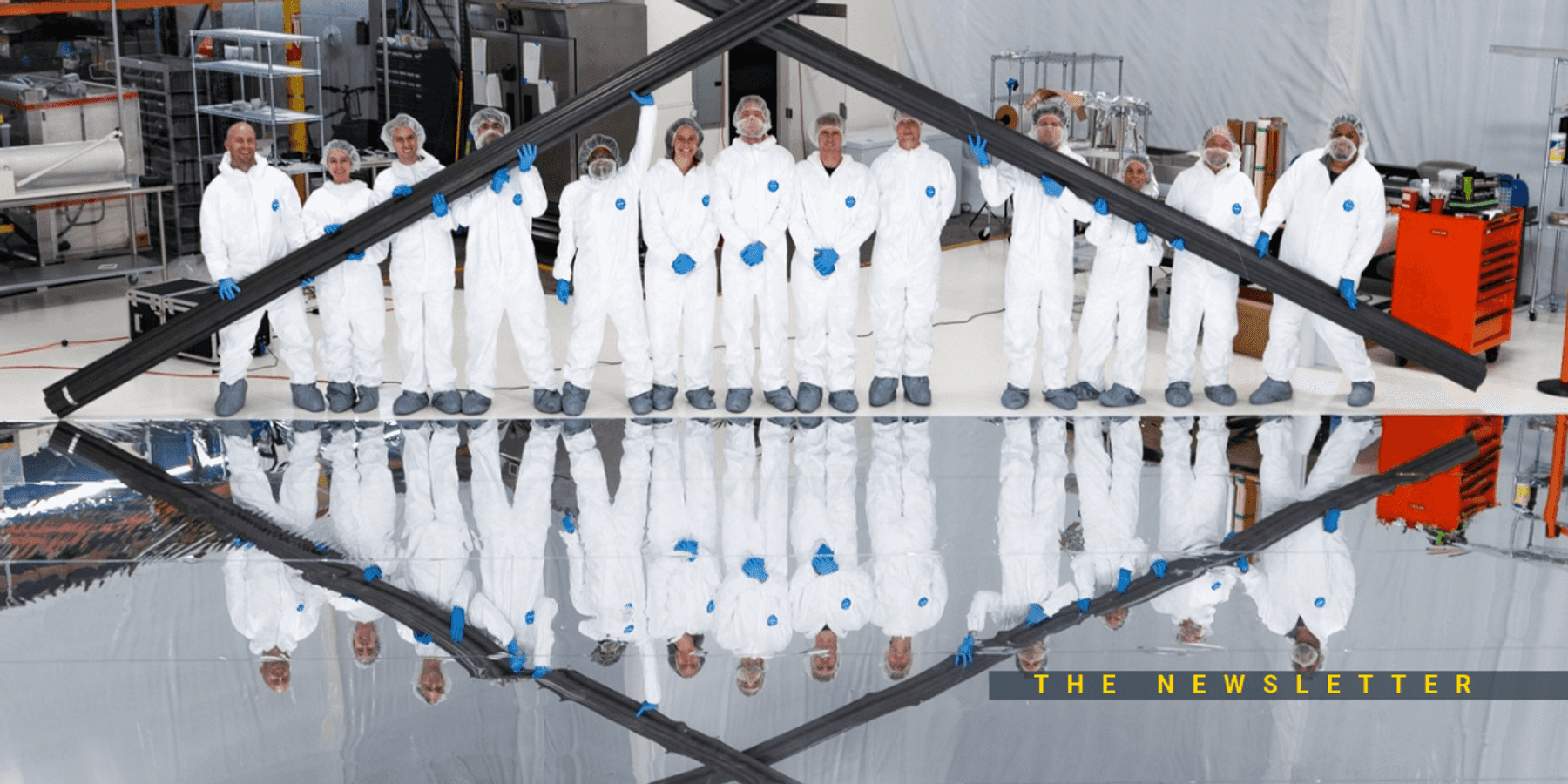
    Building the satellites presents its own unusual manufacturing challenge. According to the company, its team produces reflector material 28 times thinner than a human hair, folds individual sections into packages roughly the size of a shoebox and assembles satellites containing approximately 12,000 parts.

    In other words, delivering sunlight after dark requires some very careful folding.

    The concept has naturally prompted questions from astronomers and dark-sky advocates about light pollution and potential interference with scientific observations. Reflect Orbital says it is designing the service around predictability, transparency and control, including limiting reflections to defined locations and short periods, publishing satellite positions in advance and avoiding observatories and other protected sites.

    The demonstration mission is expected to produce illumination comparable to a full moon for no more than five minutes during the two hours following local sunset. Reflect Orbital has also said it will collect data, invite outside evaluation and use the results to refine both its technology and safeguards before attempting to scale.

    That process will matter because Reflect Orbital is not simply building another satellite. It is proposing a new kind of infrastructure, one that could change when and where sunlight becomes available.

    The company still has significant technical and regulatory work ahead. But it has already moved from an unconventional idea to more than $100M in funding, an approved demonstration mission and multiple launch opportunities.

    The next step is proving that its technology can deliver light precisely, reliably and responsibly from hundreds of miles above Earth.

    If it succeeds, the sun may no longer disappear from the energy grid when it drops below the horizon.

    More from this week’s LA startup and venture scene below.

    🤝 Venture Deals

      LA Companies

      • Helix raised $6.2M in a round led by Chicago Ventures, with participation from BAM Ventures, Aglaé Ventures, Corazon Capital and others. The startup is developing on-device voice technology that verifies whether users are human and estimates their age without collecting traditional identity documents, offering a privacy-focused alternative to CAPTCHA and photo verification. - learn more
      • Opdo raised a $2.3M pre-seed round led by Angular Ventures, with participation from Inflection and Tiny.vc. The company uses AI agents alongside established optical-design software to help engineers develop and manufacture complex components faster, and will use the funding to expand its engineering capabilities, improve its AI tools and support more customer projects. - learn more
      • Athlete To Athlete raised an $8M Series A led by Rally Ventures, with participation from Newbound VC, Scrum Ventures and UpHonest Capital. The platform pairs young athletes with college-athlete mentors for virtual one-on-one guidance and will use the funding to expand youth sports partnerships, strengthen participant safeguards and reach more families nationwide. - learn more
      • Kindo raised $30M in a round co-led by Crosspoint Capital and Forgepoint Capital, bringing its total funding to $57.6M. The company provides a centralized platform for enterprises to monitor and control AI agents, including their data access, activity and costs, and will use the capital to expand sales and further develop its AI management and security products. - learn more

      LA Venture Funds
      • Trousdale Ventures made a follow-on investment in Databento’s $100M Series C, which was led by Fifth Down Capital and valued the market-data company at $1.1B. Databento plans to accelerate its global infrastructure expansion and build a larger historical market-data archive as demand grows from financial institutions and AI companies. - learn more
      • Upfront Ventures led General Translation’s seed round, while Andreessen Horowitz led its Series A, bringing the AI localization startup’s combined funding across the two rounds to $27M. The company is building full-stack infrastructure that helps businesses translate and continuously update apps, websites, documents and videos across languages. - learn more
      • Alpha Edison participated in Q-CTRL’s $290M Series C, which was led by Salesforce Ventures. The quantum infrastructure company will use the funding to expand its AI-powered software for improving the performance and reliability of quantum computers and sensors while accelerating commercial adoption. - learn more
      • KittyHawk Frontier participated in Twin1 AI’s $5M seed extension, which was led by Curql and brought the company’s total seed financing to $25M. Twin1 develops privacy-focused AI “digital twins” that preserve professionals’ knowledge and working context, and will use the capital to expand across credit unions, law firms and financial institutions while growing its teams and enterprise governance tools. - learn more
      • Bonfire Ventures co-led Axle’s $9M funding round alongside Eniac, with participation from Teamworthy Ventures. Axle provides investment banks with a unified platform for managing conferences, corporate access, roadshows and expert engagements, and will use the capital to expand its AI capabilities and bring the product to more financial institutions. - learn more
      • TenOneTen Ventures participated in Tristar AI’s $12.4M Series A, which was led by Isogon Ventures. The Cambridge-based company uses AI-powered visual inspection to identify manufacturing defects in real time and will use the funding to improve its vision and edge-computing platform, enter additional industries and support larger deployments across customer facilities. - learn more
      • Clearlake Capital Group co-led Mirendil’s $1B Series A alongside Kleiner Perkins, with M13 participating among the company’s other new and existing investors. Mirendil is developing AI agents and tools that allow smaller teams to conduct advanced AI research and will use the funding to make frontier-level R&D more accessible to scientists and engineers. - learn more
      • CommonKind VC participated in Akara’s $5.5M funding round, which was led by Locke Health and brought the healthcare technology company’s total funding to $12.3M. Akara combines privacy-preserving sensors, AI agents and robotics to give hospitals real-time visibility into clinical operations, and will use the capital to expand its teams, grow adoption across U.S. hospitals and further develop its physical AI platform. - learn more
      • March Capital co-led Rox’s $100M Series B alongside General Catalyst, valuing the AI sales startup at $1.3B. Rox helps large enterprises automate pipeline generation, deal execution and upselling, and will use the funding to advance its AI models and expand across industries including healthcare, energy, financial services and manufacturing. - learn more
      • Clocktower Technology Ventures participated in Palomma’s $10M Series A, which was led by Cometa and brought the Colombian fintech’s total funding to $14M. Palomma combines AI leasing software, rent payments and financial products for landlords and tenants, and will use the capital to expand in Colombia, develop additional services and prepare for entry into new markets. - learn more
      • Alpha Edison led Agent F’s $4M pre-seed round, with participation from United Founders, Tiny Supercomputer Investment Company and several technology executives and founders. The Berlin startup is building AI-powered enterprise software that automates accounting, financial planning and compliance tasks for fast-growing companies while keeping finance professionals responsible for final approval. - learn more
      • Bail Capital participated in Delix Therapeutics’ oversubscribed $100M Series C, which was co-led by Johnson & Johnson Innovation and SV Health Investors’ Dementia Discovery Fund. The neuroscience company will use the funding to advance its non-hallucinogenic depression treatment Zalsupindole into Phase II development and expand its broader pipeline of therapies for psychiatric and neurodegenerative conditions. - learn more
      • M13 participated in Nominal’s $240M Series C, which was led by Lightspeed Venture Partners and co-led by Insight Partners at a $3B valuation. The hardware intelligence company will use the funding to expand its AI-powered engineering platform, develop new tools across the hardware lifecycle and enter additional industries and markets. - learn more
      • MANTIS Venture Capital participated in Project Omega’s $80M Series A, which was led by B Capital. The nuclear technology company will use the funding to begin building a domestic fuel-recycling facility and advance long-duration power systems that transform materials recovered from used nuclear fuel into energy, reactor feedstock and strategic isotopes. - learn more
      • Critical Frontier participated in Mavria’s latest funding round, which was led by Paradigm and valued the infrastructure startup at $1B. Mavria has raised $130M across its pre-seed and seed rounds to scale manufacturing, secure supply chains and build factory-produced data centers designed to bring AI computing capacity online faster and at lower cost. - learn more

        Download the dot.LA App

        Northwood’s Nine-Month Rise to $2B
        Northwood

        🔦 Spotlight

        Happy Friday, Los Angeles.

        Nine months ago, Northwood Space was operating from a 35,000-square-foot facility in Torrance. Today, it occupies a factory more than five times the size, has deployed six ground sites across two continents and is reportedly worth $2B.

        Aerospace companies are not generally known for moving this quickly.

        When dot.LA last covered Northwood, the company had just raised a $100M Series B and secured a nearly $50M contract with the U.S. Space Force. The deal established Northwood as one of the more closely watched companies working on the essential infrastructure that keeps satellites connected to Earth.

        Less than a year later, Northwood is operating at a considerably different scale.

        The company announced this week that it raised a $375M Series C co-led by Andreessen Horowitz and DFJ Growth, with additional investment from Washington Harbour Partners, Alpine Space Ventures, StepStone, In-Q-Tel and others. The round values Northwood at a reported $2B. A separate credit facility from HSBC Innovation Banking will provide additional support for working capital and network expansion.

        The financing is notable. What Northwood accomplished between rounds is the more interesting part.

        Since January, the company has deployed six ground sites across two continents, demonstrated communication with a government satellite in geosynchronous orbit and introduced a high-throughput antenna system for moving larger volumes of data. It also opened a 185,000-square-foot headquarters and factory in Torrance, expanding its manufacturing footprint more than fivefold.

        Northwood now employs more than 140 people and plans to add 400 jobs across Torrance and Washington, D.C., over the next three years.

        The company builds the infrastructure that allows satellites to exchange commands and data with operators on Earth. Rather than requiring every satellite company to develop its own ground stations, Northwood is creating a shared network that commercial operators and government agencies can access as needed.

        Think cloud infrastructure, except the servers are antennas and adding capacity requires considerably more than clicking a button.

        That distinction matters. Software companies can often scale by purchasing additional computing power. Northwood must manufacture physical systems, establish sites around the world and reliably serve customers operating across multiple orbits.

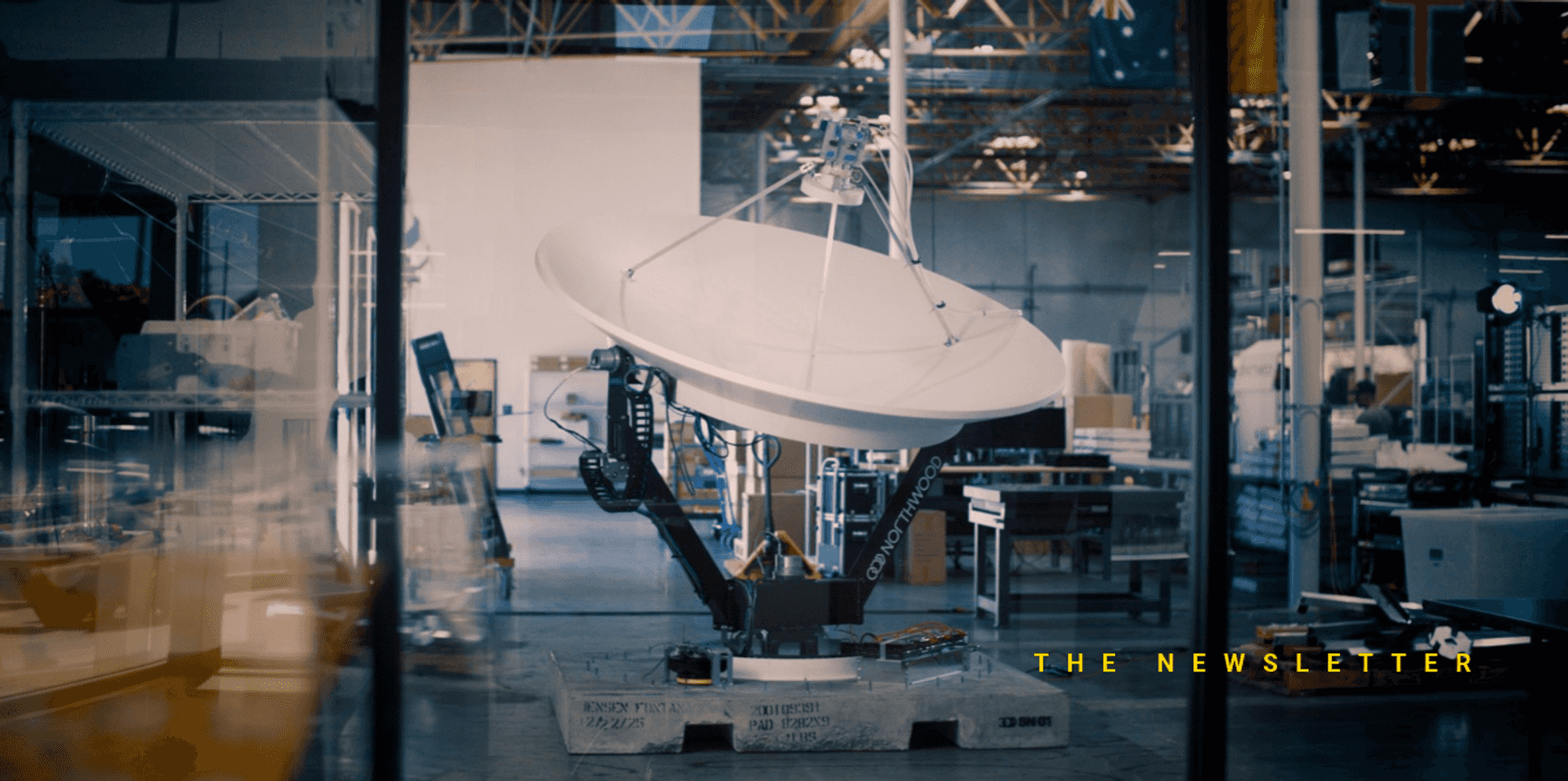
        Its new Torrance factory is central to that plan. The facility is designed to produce hundreds of antennas each year, giving Northwood the manufacturing capacity to expand its network faster than traditional ground infrastructure can typically be built.

        Demand is moving just as quickly. The number of active satellites worldwide grew from roughly 3,000 in 2020 to more than 14,000 by the end of 2025. Every one of them eventually needs to send information somewhere, and existing ground networks were not designed for the volume of missions now entering orbit.

        Northwood’s previous funding helped prove it could build the technology and win serious customers. This round is about turning that early progress into global infrastructure.

        The question is no longer whether Northwood can build a modern ground network. It is whether the company can make Torrance-built hardware the default connection layer for a rapidly expanding space economy.

        With another $375M behind it, that test begins now.

        More from this week’s LA startup and venture scene below.

        🤝 Venture Deals

          LA Companies

          • Guava, a Los Angeles-based developer platform for building AI voice agents, raised a $12.5M seed round led by Acrew Capital, with participation from Flourish Ventures, WillowTree Ventures, Clocktower Ventures and existing investor Commerce Ventures. The company will use the funding to further develop its voice AI models and products while building a go-to-market team focused on enterprises and business process outsourcing providers. - learn more

          LA Venture Funds
          • Blue Bear Capital participated in Ocient’s $100M Series C alongside Greycroft, In-Q-Tel, Buoyant Ventures and other existing investors, while BOKA Capital and OCA Ventures co-led the round. The data analytics and AI infrastructure company will use the funding to expand OcientAIQ, its platform for delivering fast, reliable answers from petabyte-scale datasets, and bring its technology to more customers globally. - learn more
          • Mystic Ventures participated in Siggy’s $6M pre-seed round, which was led by Village Global and also included PsyMed Ventures, Coalition Operators and several angel investors. Founded by veterans of Nurx and Journey Clinical, Siggy combines AI, wearable data and licensed clinicians to monitor patients between mental health appointments, with the funding supporting product development, regulatory work and hiring across its clinical and engineering teams. - learn more
          • Grid Capital and Thin Line Capital participated in Strive Robotics’ more than $3M pre-seed round alongside Tenon Ventures, with Hi Ventures leading the financing. The Cambridge-based startup develops adaptable robots that can learn complete manufacturing workflows and operate existing factory equipment, with the funding supporting product development, hiring and early customer deployments. - learn more
          • Sum Ventures participated in Circularity Fuels’ $7M seed round alongside Automotive Ventures, with DCVC and Trucks Venture Capital co-leading the financing. The company converts dairy biogas into sustainable aviation fuel and will use the capital to build a demonstration plant, design its first commercial facility and begin licensing its reactor technology to outside partners. - learn more
          • Griffin Gaming Partners participated in EloElo Group’s $80M Series C alongside MIT Investment Co., Play Ventures, Kalaari Capital and WaterBridge Ventures, while Hornbill Capital and NBCUniversal co-led the round. The Bengaluru-based entertainment company will use the funding to produce more original microdramas across multiple languages, expand its Story TV platform internationally and continue developing Dolphin AI, its AI-powered creative suite. - learn more
          • Mucker Capital participated in Lazarus AI’s $43M funding round alongside QBE, State Farm Ventures, Wave Function Ventures, Techstars and several other investors. The Boston-based company develops AI systems for enterprises and government agencies that retain control over their data, models and deployment, with the new capital supporting research and development, strategic partnerships and new product launches. - learn more
          • Alexandria Venture Investments continued its support of Thryv Therapeutics by participating in the company’s $30M Series B, which was led by InClin and included several other existing investors. The clinical-stage biotech will use the funding to launch a Phase 2a study of THRV-1268 in patients with heart failure and evaluate the drug’s safety and potential effects on cardiac function and arrhythmia risk. - learn more
          • Supply Change Capital led Kodiact’s $2.5M pre-seed round, with participation from Green Circle Foodtech Ventures and Velocity Catalyst. Kodiact helps manufacturers anticipate raw-material price swings and simulate sourcing decisions, and will use the funding to expand its market data and AI capabilities, grow enterprise deployments and enter additional industries including cosmetics, packaging and chemicals. - learn more

            Download the dot.LA App

            RELATEDEDITOR'S PICKS
            Trending