🔦 Spotlight
Hey there, LA.
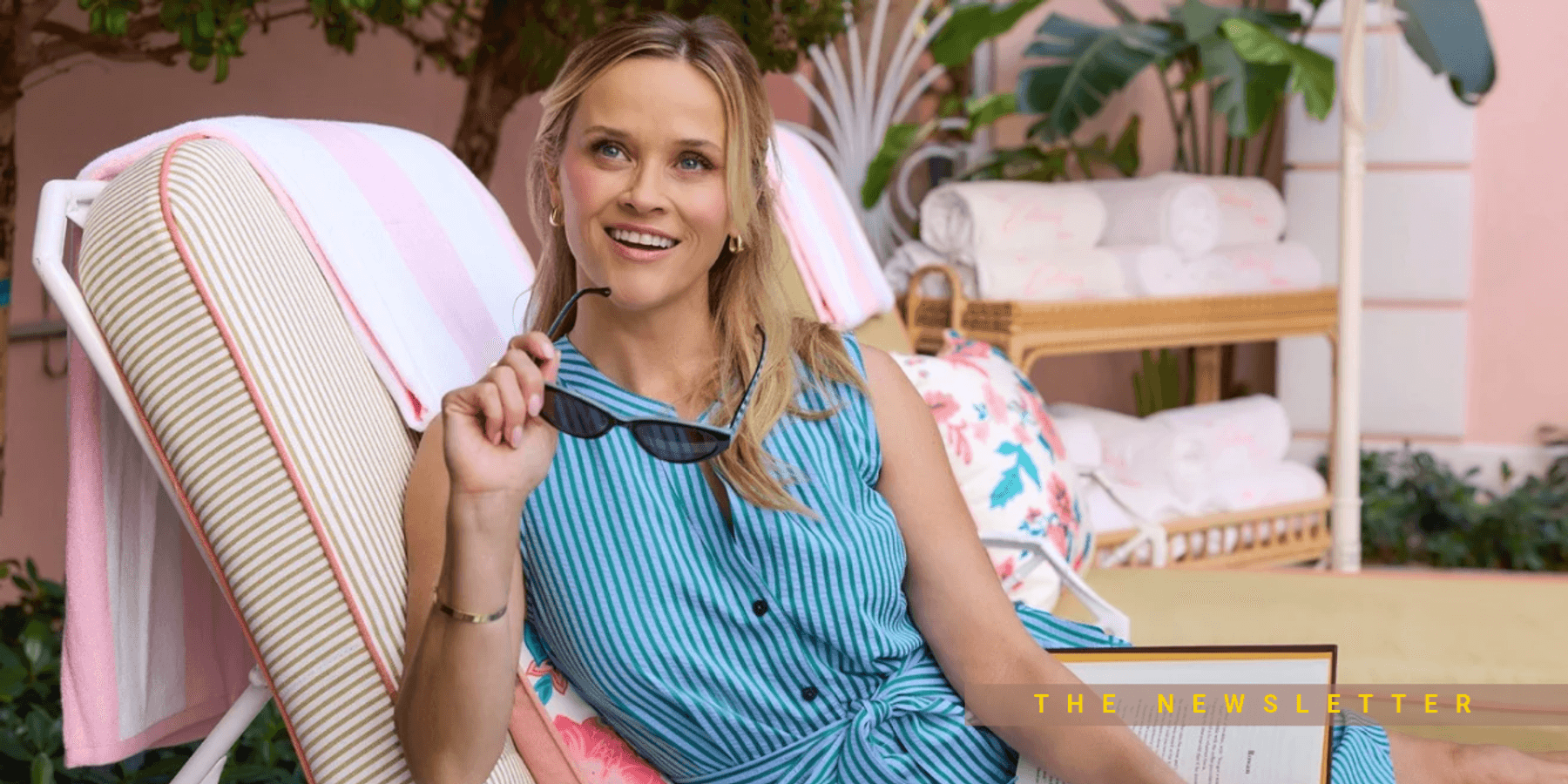
In Hollywood, every successful story eventually gets a sequel. This one brings Reese Witherspoon back to the company she built.
Five years after selling control of Hello Sunshine in a deal worth more than $900M, Witherspoon is partnering with French production group Mediawan to buy back the Los Angeles media company.
The reported purchase price is in the low-to-mid eight figures, significantly below Hello Sunshine’s valuation when Candle Media acquired a controlling stake in 2021.
That difference tells a larger story than any single Hollywood transaction.
Hello Sunshine was one of the most prominent acquisitions made during the streaming boom, when platforms were spending aggressively and investors placed enormous value on production companies with recognizable founders, established audiences and libraries of intellectual property.
Witherspoon had built all three.
Founded in 2016, Hello Sunshine developed its business around stories centered on women, producing projects including “Big Little Lies,” “The Morning Show,” “Little Fires Everywhere” and “Daisy Jones & The Six.” It also turned Reese’s Book Club into an influential audience and discovery platform that now reaches 6.2 million readers and drives approximately $900M in annual U.S. book sales, according to the company.
By 2021, that combination of talent, intellectual property and direct audience access looked like the foundation of a next-generation media empire.
Candle Media, backed by capital from Blackstone, acquired Hello Sunshine as part of a broader effort to assemble a portfolio of entertainment brands. The company also purchased businesses including Moonbug Entertainment, ATTN: and Faraway Road Productions.
Then the streaming market changed.
Entertainment companies became more disciplined about content spending. The race to accumulate subscribers gave way to pressure for profitability. Production budgets tightened, consolidation slowed and some of the valuations assigned during the streaming boom became difficult to maintain.
Hello Sunshine’s return to founder-led ownership reflects how dramatically the media landscape has changed since 2021. It also gives Witherspoon an opportunity to regain greater influence over the company at a moment when its core assets may matter more than its former valuation suggests.
Under the new ownership structure, Hello Sunshine plans to refocus on premium film and television, Reese’s Book Club and new storytelling and distribution formats. Mediawan brings an international production network, while Witherspoon brings something harder to manufacture: a trusted personal brand and an audience willing to follow her recommendations from books to screens.
That relationship with consumers is increasingly valuable in a fragmented media market. Studios can finance productions. Streaming services can distribute them. Far fewer companies can reliably convince millions of people to care before a project is even released.
For Los Angeles, the deal reflects the increasingly fluid boundary between entertainment company, consumer brand and technology-enabled audience platform. The most resilient media businesses may not be those producing the greatest volume of content, but those that own a direct relationship with a specific community.
The first Hello Sunshine deal captured the optimism of the streaming era.
The second may offer a more focused model for what comes next, with the company once again guided by the founder who understood its audience from the beginning.
Hollywood loves a comeback story.
This time, the company is making one too.
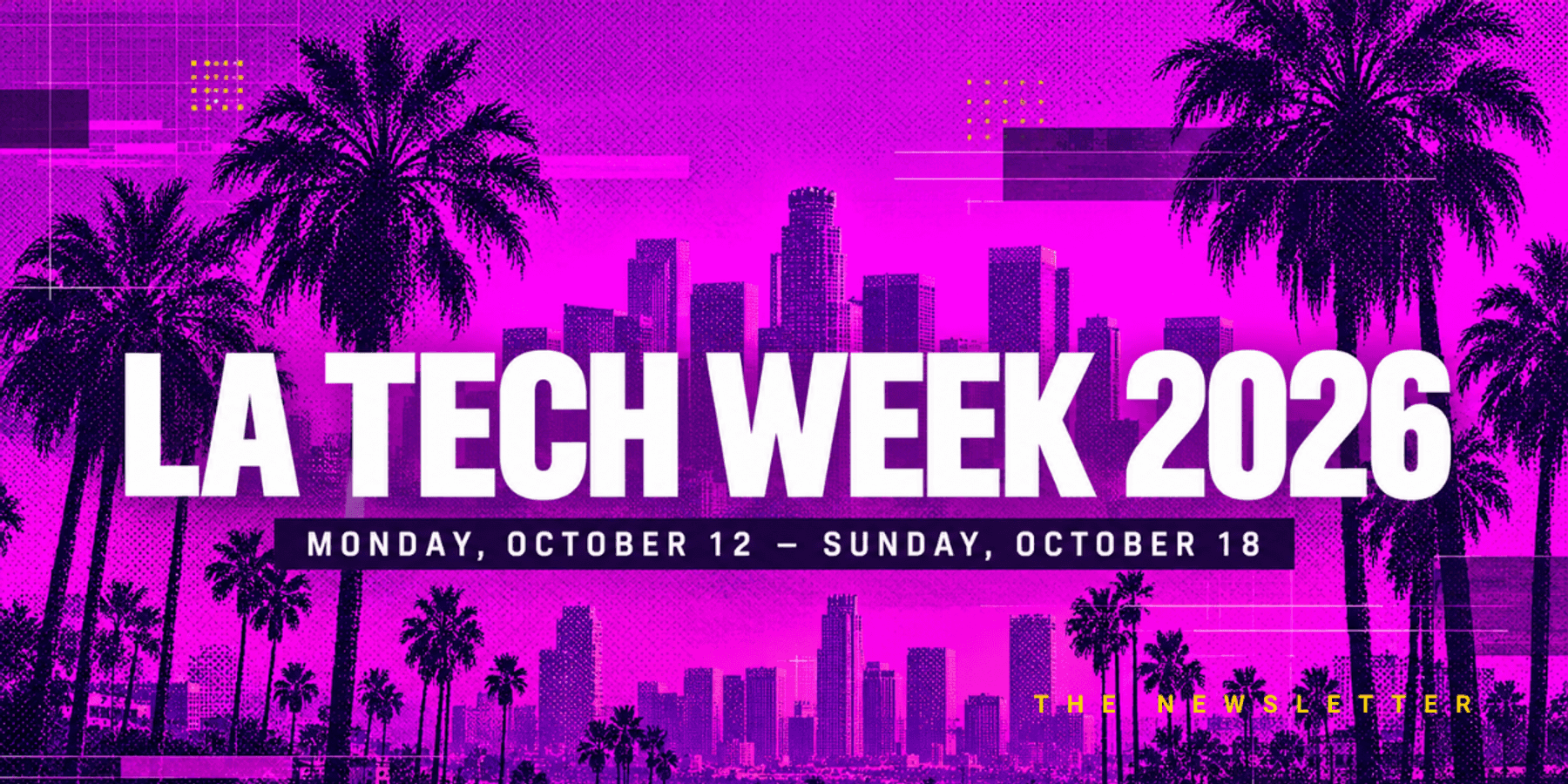
LA Tech Week’s Final Stretch
Still making the most of LA Tech Week? We have organized the remaining events by location to make planning the weekend a little easier:
Event schedules may change, so confirm the latest details with the organizer before heading out.
More from this week’s LA startup and venture scene below.
🤝 Venture Deals
- Goodweek raised a $12M seed round led by Adara Ventures to expand its AI management platform for small and midsize businesses. The company brings tools such as ChatGPT, Claude, Gemini and Mistral into one governed workspace and will use the capital to accelerate sales and expand into Latin America and Asia. - learn more
LA Venture Funds
- Fika Ventures co-led Otter Health’s $8M seed round alongside Evidenced Capital, with participation from Slow Ventures, Metrodora, CoFound Partners, Patient Capital, SemperVirens and Layout Ventures. The startup will use the funding to scale its AI-powered platform, which helps healthcare payers and providers reduce unnecessary care and manage quality without relying as heavily on traditional prior authorization. - learn more
- Nant Capital co-led Prolific Machines’ $50M Series B2 alongside Atoms & Bits, bringing the biotechnology company’s total funding to more than $100M. Prolific will use the capital to scale its light-controlled biomanufacturing platform, expand pharmaceutical and biotech programs and begin early work on tissue and organ fabrication. - learn more
- Family Fund participated in Allara’s $30M funding round alongside new investors Camino Partners and Foreground Capital, while existing backers including Index Ventures and GV increased their commitments. The women’s healthcare company will use the capital to expand AI-enabled care, grow its provider and enterprise partnerships and advance research into hormonal, metabolic and reproductive conditions. - learn more
- Vida Ventures participated in Soufflé Therapeutics’ oversubscribed $135M Series B, which was led by Juvia Group. The biotech will use the funding to move three lead programs into clinical trials for muscular dystrophy, heart failure and muscle and metabolic disorders while advancing its broader pipeline of targeted RNA therapies. - learn more
- FJOR participated in LightSprint’s $6.1M seed round, which was led by 645 Ventures. The AI software platform will use the funding to expand its enterprise product and grow its engineering and go-to-market teams as it helps employees across departments make changes to company codebases while keeping engineers in control. - learn more
- Muse Capital participated in Collective X Health’s oversubscribed $3.2M pre-seed round, which was co-led by Council Capital and Anthemis Female Innovators Lab Fund. The women’s health intelligence startup will use the funding to expand its female-focused research and data platform, meet growing enterprise demand and support new research aimed at closing the women’s health data gap. - learn more
- Act One Ventures participated in Intake AI’s $2.5M pre-seed round, which was led by Kapor Capital. The startup is building AI agents that automate clinical-trial setup and operations, helping research teams turn protocols into documents, search study materials and transfer approved forms into existing systems. - learn more
- M13 participated in Ultra’s $62M financing, which included a $50M Series A led by Framework Ventures. The Brooklyn-based robotics startup will use the capital to expand deployment of its AI-powered warehouse robots, which handle packing, sorting and other fulfillment tasks and have already processed more than 500,000 orders. - learn more
LA Exits
- Farcaster is being acquired by Balaji Srinivasan’s Network School from Neynar, marking the decentralized social network’s second change in ownership this year. The deal includes Farcaster’s app, protocol repositories and related products, with its new owner planning to introduce a rules-based “social smart contract” governing full participation on the platform; financial terms were not disclosed. - learn more
- Creator Authority has been acquired by Billion Dollar Boy Group, bringing the agency’s B2B influencer marketing expertise and LinkedIn specialization into BDB’s global creator business. The deal will help Creator Authority scale its work with enterprise brands while strengthening BDB’s presence on the U.S. West Coast and expanding its B2B creator marketing capabilities; financial terms were not disclosed. - learn more
- Burbank-based CareerArc was acquired by AI hiring platform Humanly, with financial terms undisclosed. The deal combines CareerArc’s recruitment marketing and social recruiting tools with Humanly’s AI-powered candidate engagement, screening and interviewing platform, creating a more connected system for employers managing high-volume hiring. - learn more
- Ethiqly was acquired by Carnegie Learning from Owl Ventures and the company’s management, with financial terms undisclosed. Carnegie Learning plans to integrate Ethiqly’s AI-powered writing platform into its literacy offerings, helping students improve their writing while giving teachers greater visibility into the drafting, revision and learning process. - learn more
Download the dot.LA App