
Rock the Bells President James Cuthbert on Building Hip Hop's Legacy

Sarah Favot

Favot is an award-winning journalist and adjunct instructor at USC's Annenberg School for Communication and Journalism. She previously was an investigative and data reporter at national education news site The 74 and local news site LA School Report. She's also worked at the Los Angeles Daily News. She was a Livingston Award finalist in 2011 and holds a Master's degree in journalism from Boston University and BA from the University of Windsor in Ontario, Canada.

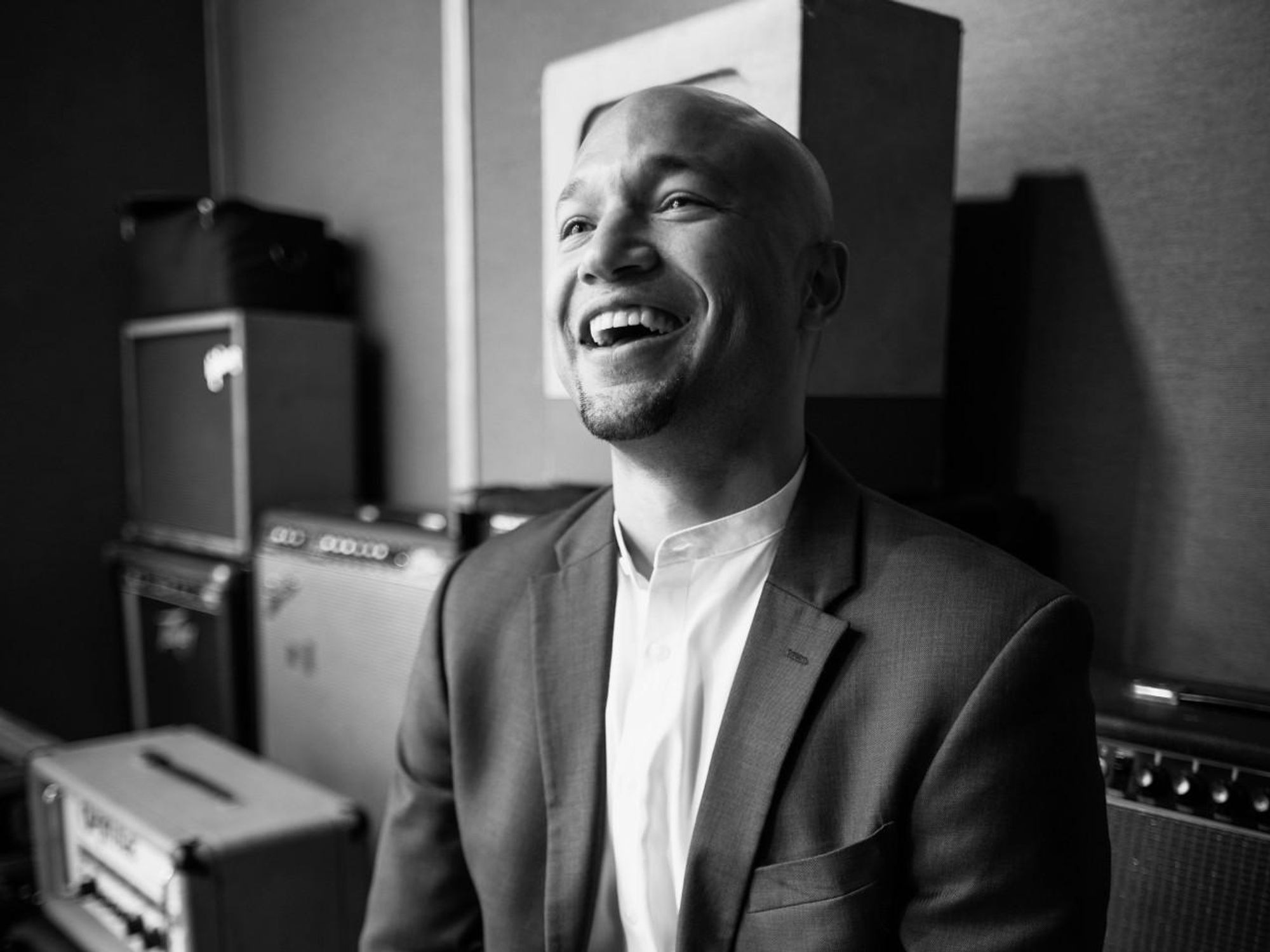
James Cuthbert
Image courtesy of Rock the Bells

More than 30 years ago, a young LL Cool J debuted the first single off his "Rock The Bells" album.

At the time, hip hop was still a new cultural force, and few young rappers were thinking about preserving its traditions. Now, many of those who helped build the global culture are gone – from the Wu Tang Clan's Ol' Dirty Bastard to Tribe Called Quest's Phife Dawg to, most recently, Shock G – and LL Cool J is trying to build a brand for classic hip hop, one that pays back some of its artists.

Named Rock The Bells after the song of the same name, the Los Angeles-based company sees itself as a content and commerce brand dedicated to the OG's of hip hop, some of whom have an ownership stake in the company.


Its website offers a curated mix of classic hip hop merchandise like Kangol bucket hats, Timberland boots and Gucci and Louis Vuitton accessories, as well as stories and video content. The brand also includes a SiriusXM Radio channel, which launched in 2018.

Former BET and Coca Cola executive James Cuthbert sits at its helm, helping LL Cool J steer the company.

The startup recently raised $8 million through a recent Series A funding round led by Raine Ventures. Cuthbert has big plans for that new cash infusion including a documentary series and live experiences, even a Rock The Bells music festival.

Cuthbert, 39, joined Rock The Bells in October, leaving his job as senior vice president of brand strategy and marketing at BET. He sat down with dot.LA to discuss his role, the new funding, Rock The Bells' mission and how it is uplifting classic hip hop artists for those who grew up with their music as well as those just discovering it.

One thing that LL Cool J has said is that Rock The Bells was intended to uplift classic hip hop artists, many who didn't make the money off their music that some feel they should have. Big Daddy Kane, Run DMC, Eric B, Salt-N-Pepa, Fab 5 Freddy, Risk, Crazy Legs, Roxanne Shanté and Jonathan Mannion all have ownership in the Rock The Bells brand. How does that change what you do and how you carry out your mission?

JC: If you think about it, we're the only brand that's literally owned and operated by a culture that they created. Hip hop evolved to be, literally, the biggest influence on global popular culture. We want to call ourselves the preeminent brand of classic and timeless hip hop and really build the bridges from today to tomorrow. By having these icons that own part of Rock The Bells, not only does that allow us to honor them, but more importantly that allows us to make sure that we shepherd this culture forward in the most authentic way.

Why is it important to honor the OGs of hip hop?

JC: They built what we stood upon. Cultures that survive and thrive and continue and push forward are the ones that continue to tell the stories and have the mythology that it sits under. When you lose your past you can be destined to become defined by what's happening now. When I think about honoring the past, there's an opportunity for us to really just carry the torch, but most importantly ensure that this culture continues to thrive.

It's no different than any other genre you think about, like films. If you only looked at the films that came out in the last three years and said, "hey man I want to make movies now." Or should you go back and say "hey I'm gonna go all the way back and look at what John Singleton or Hitchcock are like, and I want to look at some of these others"? This is a whole level of creativity. There's value in what's happened in the past and the creativity of what was done. And I think it's easy to see that in almost every other facet of our life and hip hop culture is no different.

You talked about honoring the past and then carrying the mission into tomorrow. What are some of the things you've learned that are important to what people are doing today?

JC: One of the things we've learned is this idea of building bridges. This is not just about honoring the past. This is about connecting the culture to the future. So we talk about this idea of sparking intergenerational conversations between fathers and sons, mothers and daughters, where they can speak about the elements of hip hop, what music they like and how that connects to today or even fashion, we think about different retro trends that allow people to connect. There are these natural cultural connections and bridges. Hip hop didn't start because a bunch of people said, "let's make some money and let's come up with a business model". It started to give a voice to the voiceless. It was born out of: "I have a voice, I have something to say and I want to share it with the world."
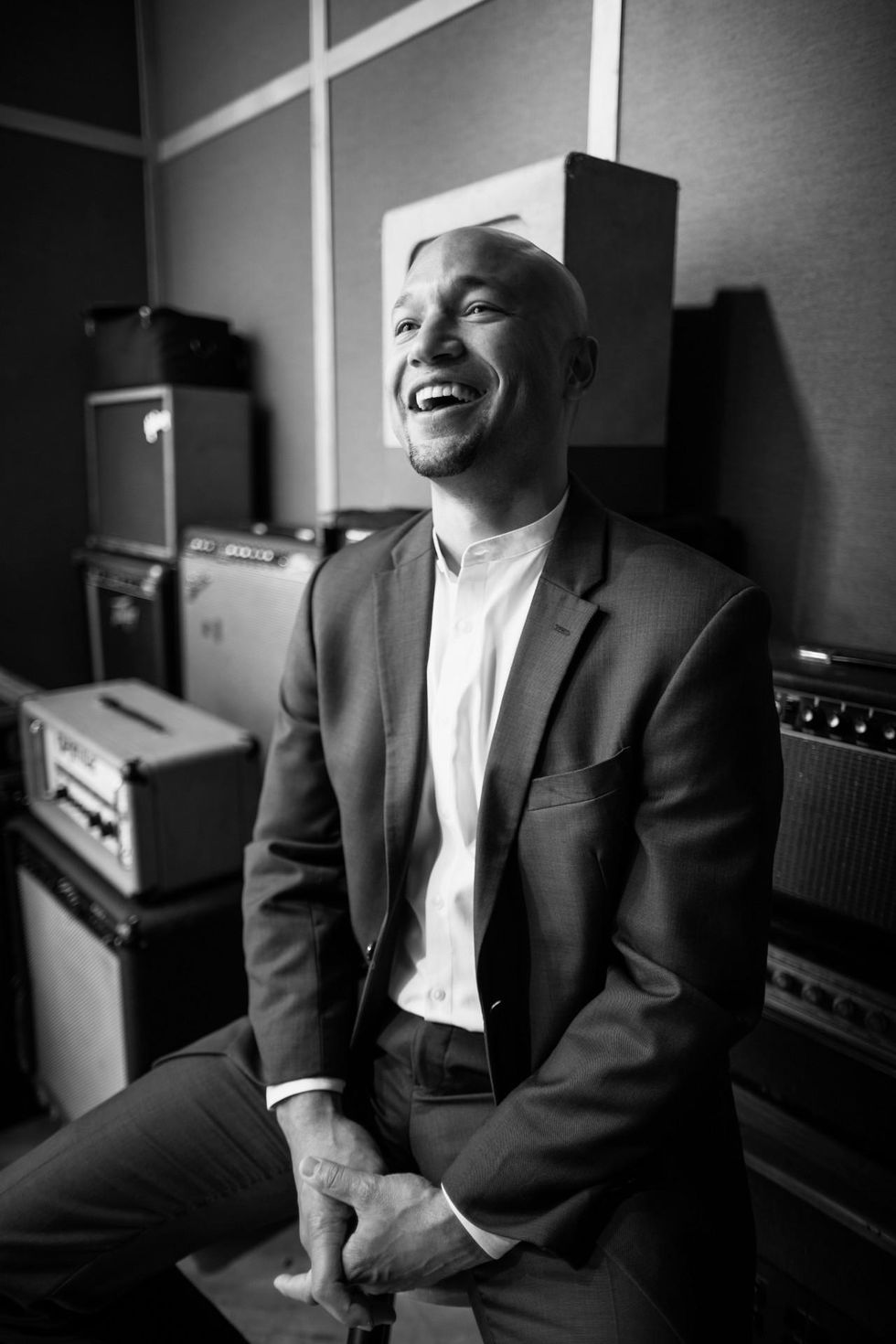
James Cuthbert

Rock the Bells President James Cuthbert

Image courtesy of Rock the Bells

What are you going to be doing with the new funding?

JC: A lot of what we'll be spending the money on is building out a world-class team that can work across all three pillars. The way that we think about marketing is content, commerce and experiences. The future of content is commerce, the future of commerce is content. Those two are integrated. When you do an experience, of course there's going to be a commerce element. And if you do an experience, you should be creating content, maybe a documentary around it.

How are you expanding your direct-to-consumer business?

JC: From a content perspective, you're going to start seeing custom content being created. You'll see episodic content that ties back to classic hip hop. We're going to see that start to roll out at the tail end of this month and early into May. You'll start to see long-form docuseries and content currently in development, some really cool, big ideas and some amazing talent that we're beginning to partner with to create that. When this culture is elevated, there's such amazing stories and given the care that it deserves, it wins in the marketplace.
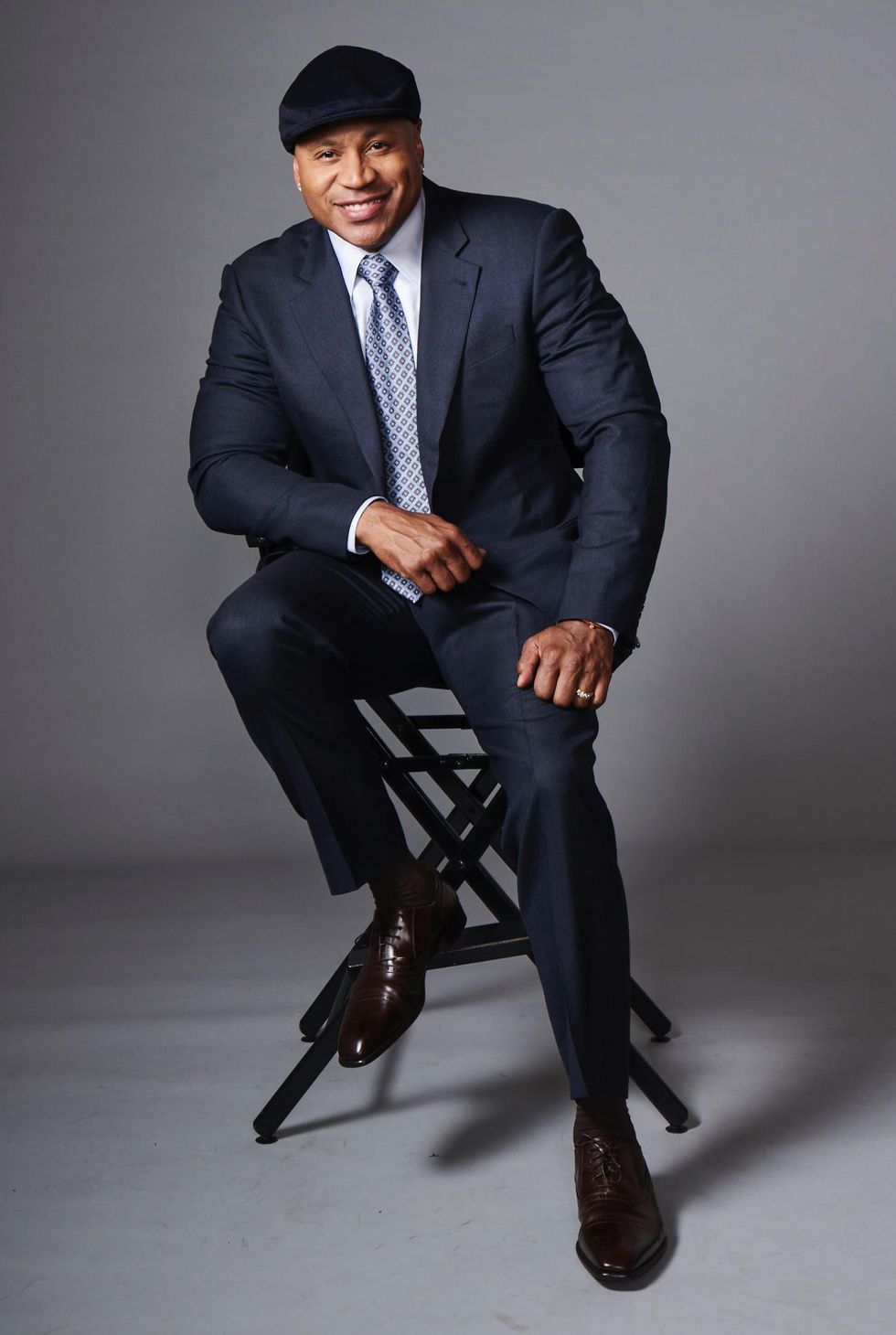
LL Cool J

Hip hop icon and Rock the Bells CEO LL Cool J

Photo by Peter Yang

How does being in L.A. influence what you're doing?

JC: We're positioning ourselves to be global, but hip hop is also hyperlocal. There's amazing talent and a hip hop culture that lives in L.A. Obviously, there's some amazing things that happen on the film side in L.A. so being there especially when you think about content or long-form content, is kind of being on the tip of the spear of new technologies that allow us to really engage our audience.

Some of hip hop's most iconic rappers have been lost in recent years. Thinking about everyone from Phife Dawg to Ol Dirty Bastard and most recently the death of DMX. What is the impact on your audience?

JC: DMX had such a powerful story, ODB as well, but when you really dive in, these people highly impacted our lives. Their sincerity, their authenticity, their ability to overcome, their voice, their uniqueness. And as you listen to the music over and over again and watch the interviews, they impact your journey. When somebody passes away that lives within the lexicon of classic hip hop, oftentimes you don't realize the impact until they're gone. You're like," I have never met this person but feel like somebody punched me in the stomach," so how can we honor them and lift them up and make sure their stories continue to get elevated?

How has the death of George Floyd, Duante Wright and so many others along with the wave of protests and national conversations about racial injustice altered the way you look at your work?

JC: As a Black-owned company and a culture-first company, when I look at the employees, you're still coming into work, but you're dealing with so much weight. Racial injustice is something that's been a cancer on American society for a long time and when it percolates it kind of comes into the zeitgeist and you think about how that's vocalized in a very unapologetic way through hip hop.

It first affects the human beings that are working at Rock The Bells, but most importantly there's a responsibility for us to amplify those voices and make sure that we're pushing towards justice. What is some of the good work that needs to be done? What's our role in doing that good work for the community to make sure that that doesn't happen again?

Have you seen an influx of support as a Black-owned business? You're elevating Black brands?

JC: In some respects, we've seen some of that. LL Cool J put out a really impactful freestyle today that's still one of the highest performing pieces of content we put out because it was honest and it was true, talking about injustice. What I have seen is different companies and brands and potential partnerships where people are starting to unveil and not be afraid to say what's true, which is always good to hear. You're seeing some behavior changes and some actual sweat from some of these different partners in the community. For us, we kind of live it everyday. We're not necessarily looking for incremental support, but what we're looking for is positive change.

Rock The Bells launched during the pandemic. There's been a decline in global retail sales of licensed products because of the cancellation of live music events during the pandemic. How has this affected you?

JC: I would say we're a little bit early on as we start to license some of our products out. I'll say that we're actually doing pretty good. I think we're going to exceed our plan on our commerce business this year. There's a lot of new trends and things that are happening, live commerce is one of them, which has kind of exploded in places like Asia. How are you entertaining people? How do you also allow them incremental opportunities to buy? How is that commerce integrated in the content in a way that doesn't feel forced? People will continue to purchase if you're driving significant value and they believe in what your brand stands for.

What is the most profitable part of the company? What do you see growing?

JC: Some of the "experiences" stuff is fairly profitable. The business model for virtual events has been rejiggered, but there's an opportunity to share a really meaningful, impactful and engaging experience online. Rock The Bells merch has been incredibly profitable for us. We have rocked it with our SIRIUS XM channel. Rock The Bells [channel] has been working very well for us and it's really allowing us to speak out our brand proposition on radio and creating a meaningful, highly curated listening experience for fans of classic hip hop.

What's on the horizon for Rock The Bells? You already talked about the docu-series. Is there anything else we should be looking out for?

JC: In general, when you think about Rock The Bells, you should always see classic hip hop through a modern lens, which is classic hip hop elevated. What you'll continue to see is us taking this culture, and doing the best that we can do to elevate it. I'm going to do something that won't just appeal to the people that are kind of like raised with it, but the whole next generation is going to be able to enjoy these stories, enjoy the commerce items and the really cool merch and eventually come to some experiences that will be able to see it come to life.

This LA Startup Wants Dealers to Fight Over Your Car

🔦 Spotlight

Happy Friday Los Angeles,

Selling a car is one of those modern processes that somehow still feels like it was designed to test your patience.

You can list it yourself and deal with strangers from the internet. You can take the first online offer and wonder if you left money on the table. Or you can walk into a dealership and prepare for the emotional sport of negotiation.

Los Angeles-based Bidbus is trying to make that process feel a little less broken.

The company raised a $15M Series A led by Ibex Investors, with participation from Mucker Capital, FJ Labs, Motley Fool Ventures, Data Point Capital, Walter Ventures and Yossi Levi, better known as the Car Dealership Guy.

Bidbus lets consumers submit their cars and have verified dealerships compete to buy them. Instead of a seller shopping the same car around manually, the platform turns the process into a competitive auction where dealers bid against each other for inventory.

That model is especially interesting right now because used cars remain one of the strangest corners of consumer commerce. The market is huge, the transaction is high-stakes and the average seller still has very little visibility into whether they are getting a fair price.

Bidbus says its marketplace can generate offers that are $2,000 to $3,000 higher than Carvana in some cases. That is the kind of delta that can make people pay attention, especially in a category where convenience often comes at the cost of leverage.

The company is currently focused on California and Texas and plans to use the new funding to expand into more markets. The bigger question is whether it can make dealer competition feel as simple and trustworthy as the instant-offer platforms consumers already know.

For sellers, the pitch is easy to understand: make the dealers fight for your car, not the other way around.More from this week’s LA startup and venture scene below.

🤝 Venture Deals

    LA Companies

    • EdVisorly raised a $13.3M Series A led by Breachway Capital, with participation from U.S. News & World Report, Lumina Foundation, Strada Education Foundation, Motley Fool Ventures, Juvo Ventures and Zeal Capital Partners. The company builds AI-powered software that helps colleges and universities automate admissions, transcript processing, transfer credit evaluation and enrollment workflows, with the new funding going toward product innovation, engineering infrastructure and expanding its student-facing tools. - learn more
    • Savi Security launched its iOS and Android app to help families detect and avoid AI-powered scams and fraud, while also announcing $7M in seed funding led by Acrew Capital. The app uses behavioral AI to screen calls, texts, voicemails and suspicious messages before users engage, with features including text protection, voicemail screening, live call monitoring and a free scam-checking tool called Scamwise. The round also included participation from Magnify Ventures, TTCER and Resolute Ventures. - learn more

    LA Venture Funds
    • UP.Partners co-led Skapion’s $36M seed round alongside Khosla Ventures, with participation from Fusion VC, Stratos Ventures, TBD VC and q Fund. Skapion is developing a counter-drone swarm defense system designed to address large-scale UAV attacks involving dozens or hundreds of drones operating at once. The company was founded in late 2025, has R&D operations in Ramat Gan and a headquarters in Washington, D.C., and plans to use the funding to expand engineering, system development, integration, testing and work with defense and government customers. - learn more
    • Trousdale Ventures participated in Venus Aerospace’s $91M Series B, which was led by Mercury Fund with backing from investors including Lockheed Martin Ventures. Houston-based Venus Aerospace is scaling its rotating detonation rocket engine technology after completing a U.S. flight test in 2025, with potential applications across hypersonic aircraft, defense systems, orbital vehicles and space propulsion. The funding will help move the company’s engine technology from prototype toward production. - learn more
    • B Capital led Kaon AI’s Series B, backing the company’s push to build an AI-native content engine for brands and creators. Kaon AI is developing tools that combine deep computer science with mainstream culture, helping teams generate, personalize and distribute content for the generative AI era. The company plans to use the new funding to expand its platform, grow its team and support broader adoption across enterprise and creative customers. - learn more
    • Ulysses Capital participated in Pearl Health’s $110M capital raise, which included a $50M equity round led by Andreessen Horowitz and a $60M debt facility led by Trinity Capital. Pearl Health builds AI-powered technology for Medicare-focused providers, helping care teams manage risk, predict patient needs and automate workflows across value-based care. The company supports more than 10,000 providers across over 40 states and plans to use the new capital to expand its AI platform, Medicare Advantage offerings and provider partnerships. - learn more
    • WndrCo co-led Wonderdog’s $5M pre-seed round alongside Maveron, with participation from Cultivate Next, Mars Petcare’s early-stage investment program. Hermosa Beach-based Wonderdog is building an AI-powered preventive health platform for dogs, using microbiome, blood and genetic testing to help identify health risks earlier and recommend personalized diet, supplement and care plans. The company plans to use the funding to scale its diagnostics platform, expand its AI tools and grow into new markets. - learn more
    • GordonMD Global Investments co-led Cyllene Therapeutics’ €33M Series C alongside M Ventures, with participation from existing investors including Andera Partners, Bpifrance’s InnoBio 3 Fund and Lamond Ventures. Paris-based Cyllene, formerly known as EG 427, is developing precision genetic medicines using its non-replicating HSV-1 HERMES platform, with the funding going toward continued clinical development of EG110A for neuro-urology indications and broader pipeline expansion. The company plans to initiate a Phase 2b/3 study for EG110A in 2027. - learn more
    • Bonfire Ventures led Katalyze AI’s $10.5M seed round, with participation from Inovia Capital, Ripple Ventures, Alumni Ventures and angel investors including Gokul Rajaram and Farzad Soleimani. San Francisco-based Katalyze is building an agentic operating system for pharmaceutical companies, helping scientists, engineers and analysts deploy AI agents across scientific, engineering and manufacturing workflows. The company says its platform is already used by five of the 20 largest global pharma companies. - learn more
    • Strong Ventures participated in Studio Kiko’s undisclosed Pre-A round for NearDoc, alongside Smilegate Investment and Korea Investment Accelerator. NearDoc is an AI medical charting service that listens to doctor-patient conversations in real time and automatically generates completed SOAP notes for EMR systems, helping reduce physicians’ documentation burden. The company says NearDoc was adopted by more than 300 clinics and hospitals within two months of launch and plans to use the funding to recruit talent, advance the product into a clinical decision support system and expand into non-English-speaking Asian markets. - learn more
    • Foxhog Ventures invested $1.34M in FundingBazar.com, a fintech platform building a digital marketplace to help startups, SMEs and businesses access capital. Currently in beta, FundingBazar.com plans to connect companies with investors through both equity funding and revenue-based financing, while adding tools for investor discovery, digital documentation, due diligence and founder-investor communication. - learn more
    • March Capital participated in Together AI’s $800M Series C, alongside investors including Aramco Ventures, NVIDIA, Vista Equity, General Catalyst, Emergence Capital, SE Ventures, Pegatron, Salesforce Ventures, DTCP Growth, Lux Capital, Geodesic and others. Together AI provides infrastructure for open-source and custom AI, spanning inference, training, fine-tuning, GPU clusters and accelerated compute for companies building production AI applications. The company also secured commitments for more than 500 MW of compute capacity to support future growth. - learn more
    • Wavemaker360 Health co-led Materna Medical’s $5M B3 financing alongside InnovaHealth Partners and Band of Angels, with continued support from existing investors. Mountain View-based Materna is developing women’s pelvic health products, including Milli, an FDA-cleared vaginal dilator, and Ellora, an investigational obstetrical system designed to reduce pelvic floor muscle injury during vaginal delivery. The funding will support Materna’s EASE pivotal trial readout, Ellora launch preparations, market access work and commercial manufacturing capabilities. - learn more
    • CIV participated in 1001’s $30M Series A, which was led by Lux Capital with participation from Sanabil Investments, 9Yards, Hanabi and existing backers including General Catalyst. Dubai- and London-based 1001 is building sovereign AI operating systems for critical infrastructure sectors such as aviation, ports, logistics, energy and industrial operations, helping operators automate decisions while keeping AI systems locally owned and governed. The company plans to use the funding to expand engineering and go-to-market teams across key GCC markets. - learn more
    • Fifth Wall participated in Higharc’s $95M Series C, which was led by Insight Partners with additional backing from Wellington Management and existing investors including Spark Capital, Lux Capital, SE Ventures, Simpson Strong-Tie, PSP Partners, RXR Arden Digital Ventures, Suffolk Technologies, Vertex Ventures, NC Tweener Fund and MetaProp. Higharc builds AI software for homebuilding, generating homes as 3D spatial data so builders and suppliers can better manage design, estimating, sales and construction workflows. The new funding brings Higharc’s total raised to more than $170M and will support AI product development and expansion into building materials supply chain workflows through a new partnership with US LBM. - learn more
    • StoryHouse Ventures is an existing investor in PvX Partners, which secured a new $5M equity investment from MIT to expand its user acquisition financing platform for consumer apps and mobile games. Singapore-based PvX uses its machine learning system, PvX Lambda, to evaluate marketing and performance data before underwriting user acquisition campaigns, giving app companies an alternative to traditional venture capital or lending. The company has now surpassed $750M in committed user acquisition financing. - learn more
    • WndrCo participated in 8090 Labs’ $135M Series A, which was led by Salesforce Ventures with additional backing from Craft Ventures, The Production Board and Launch. Founded by Chamath Palihapitiya, 8090 Labs is building Software Factory, an AI coding agent designed for enterprise engineering teams that need production-quality software, audit trails and controls rather than quick prototypes. Palihapitiya is also stepping in as CEO. - learn more
    • Multiball Capital participated in Nebex’s $30M seed round, which was led by GV, as the company builds market infrastructure for the global space economy. Nebex connects sovereign space programs with the founders and companies building space technologies, while also announcing a banking relationship with J.P. Morgan to support revenue, cash flow and transaction infrastructure for space-sector deals. The company was founded by former Axiom Space executives and entrepreneurs Tejpaul Bhatia and Anand Subramanian. - learn more

    LA Exits

    • Versed, the clean skincare and makeup brand founded by Katherine Power, was acquired by Belle Brands, a platform company formed by consumer-focused private investment firm Windsong Global. Versed will join JVN Hair, Pipette and KVD Beauty under Belle Brands, with CEO Andy Chiu supporting the transition. Terms of the transaction were not disclosed. - learn more

      Download the dot.LA App

      Not Every Robot Wants Your Job

      🔦 Spotlight

      Happy Friday Los Angeles,

      When people talk about the robotics boom, the conversation usually turns to warehouses, defense, humanoids or automation.

      But one Los Angeles company is building a very different kind of robot.

      Tombot, a local companion robotics startup, closed a $7 million Series A3 round with participation from Caduceus Capital Partners, Wavemaker 360, the Lutheran Foundation for Long Term Living and Florida Community Health Network to scale production of Jennie, its robotic companion dog. The product is designed for older adults, people with dementia, children with autism and others who may benefit from the emotional comfort of a pet but cannot safely or practically care for a real animal.

      It is a quieter kind of robotics story, but a revealing one.

      The most common vision of the robotics future is built around productivity: robots that move boxes, patrol borders, assemble parts or perform repetitive tasks. Tombot is aiming at something more personal. Its bet is that robots will not only help people work faster, but also help them feel less alone.

      That makes the company part of a broader shift in robotics, where the question is not just “What can a machine do?” but “What role can it play in someone’s daily life?”

      The need is real. Aging populations, caregiver shortages and rising demand for dementia care are putting pressure on families and health systems. At the same time, many people who would benefit from animal companionship cannot manage feeding, walking, grooming, vet bills or the safety risks that come with a live pet.

      Image Source: Tombot

      Tombot’s answer is a robotic dog that behaves like a companion, not a gadget. Jennie is designed to respond to touch, voice and interaction, giving users some of the emotional benefits of pet ownership without the responsibilities of caring for a living animal.

      Southern California’s robotics scene is often viewed through the lens of defense, drones, aerospace and manufacturing. Those categories are important. But LA also has deep advantages in design, storytelling, entertainment, consumer products and human-centered technology. A companion robot sits at the intersection of all of those things.

      It has to work technically. But it also has to feel right. The movement, expression, texture and emotional cues matter. This is where robotics starts to look less like pure engineering and more like product design, character development and trust-building.

      The broader robotics market is still difficult. Hardware is expensive. Manufacturing is hard. Consumer expectations are high. And companion robots have historically been a tricky category, with plenty of hype and uneven adoption.

      But Tombot’s traction suggests there may be real demand for robots that solve emotional and caregiving problems, not just operational ones. The company says it has built a large waitlist as it moves toward commercialization, giving it a chance to test whether companion robotics can move from novelty to necessity.

      The bigger takeaway is that LA’s robotics future may not fit into one box.

      Some companies will build for the battlefield. Some will build for factories. Some will build for space. And some, like Tombot, will build for the living room, the care facility and the family trying to support someone they love.

      The robotics boom is often framed as a story about replacing human labor.

      This one is about supporting human care.

      More from this week’s LA startup and venture scene below.

      🤝 Venture Deals

        LA Companies

        • Cosm received a $100M strategic investment from Sony Pictures Entertainment, with Sony taking a minority stake as the lead investor in Cosm’s Series C financing round. Cosm operates immersive “Shared Reality” venues that use dome-shaped LED screens for live sports, concerts and entertainment experiences, and the funding will support venue expansion and new technology initiatives across sports and entertainment. Sony Pictures CEO Ravi Ahuja will join Cosm’s board as part of the deal. - learn more
        • Pasadena-based Sophia Space finalized a $7M SAFE financing round, bringing its total funding to $22M. The round included participation from EverGreen, The NVIDIA Alumni Investment Network, SparkLabs Group and other strategic investors, with the new capital going toward product development, engineering and commercial hiring, partnerships and deployment across government, commercial and international markets. Sophia Space is building AI-powered infrastructure and intelligent systems for the space economy, including autonomous computing capabilities for orbital and terrestrial environments. - learn more

        LA Venture Funds
        • Sound Ventures participated in Warp’s $60M Series B, which was led by Battery Ventures with additional backing from Peak XV and Y Combinator. Warp is building an AI-native employee management platform for payroll, benefits, compliance, onboarding, offboarding and workforce operations, with the new funding bringing its total raised to $85M. The company says the capital will support deeper AI agents, expanded tax and compliance infrastructure, a broader product suite and more customer support. - learn more
        • Mucker Capital participated in Zave’s ₹4.7 crore bridge round, which was led by Inflection Point Ventures. Zave is building an AI-native shopping assistant that helps consumers discover products, compare prices and make purchase decisions across Amazon, Flipkart and more than 5,000 brand websites. The company plans to use the funding to strengthen its AI product, improve platform reliability and scalability, and support continued user growth. - learn more
        • B Capital co-led Seltz’s $12.5M seed round alongside Speedinvest, with participation from Future Present, Italian Founders Fund, Arc Investors, United Ventures, Vento Ventures, Mango Capital, 2100 Ventures and Future Back Ventures. Seltz is building web search infrastructure for AI agents, designed for the way agents query the internet: running long, parallel searches, pulling full documents and accessing live web context. The company plans to use the funding to scale its index to tens of billions of documents and build out engineering, sales and marketing. - learn more
        • Clocktower Technology Ventures participated in Caplight’s $16M Series A, which was led by BlackRock and Fin Capital, with strategic participation from UBS Investment Bank. San Francisco-based Caplight is building data, trading and workflow infrastructure for private markets, including secondary market pricing, institutional trading, company and investor intelligence, and AI-powered venture deal sourcing. The company says the new funding will help expand its role in rebuilding the rails for venture capital as private markets become larger, more liquid and more complex. - learn more
        • MaC Venture Capital participated in Coval’s $28M Series A, which was led by Norwest with backing from Base10 Partners, Twilio Ventures, Y Combinator and others. San Francisco-based Coval builds simulation, evaluation and monitoring infrastructure for voice and chat AI agents, helping enterprises test and improve autonomous agents before and after deployment. The company works with more than 60 organizations, including Zoom and Deepgram. - learn more
        • B Capital participated in Cadence’s $100M Series C, which was led by Spark Capital with additional backing from Thrive Capital, General Catalyst, Coatue, Corewell Health Ventures, Memorial Hermann and Duke Health. Cadence is a clinical AI company automating chronic care for older adults through supervised AI agents that monitor patient vitals, surface risks and coordinate care between visits. The company now works with more than 20 health systems, treats over 100,000 active patients and will use the funding to expand across new health systems, advance its AI agents and grow value-based care models. - learn more
        • WndrCo participated in Partly’s $50M Series B, which was led by DST Global Partners. Partly is building AI-powered infrastructure for the auto repair industry, helping repairers, insurers and parts suppliers identify and source the right vehicle parts as cars become more complex. The new funding will support Partly’s push to bring frontier AI into repair workflows and reduce friction across the global replacement parts market. - learn more
        • Döpfner Capital participated in Stark Defence’s €500M funding round, which was backed by major investors including Sequoia Capital and Founders Fund and valued the German drone company at roughly €3.2B to €3.5B. Stark develops unmanned defense systems, including loitering munitions, and plans to use the funding to expand R&D and manufacturing capacity across Europe. The raise comes as European defense tech continues attracting significant investor interest amid rising military spending and demand for autonomous systems. - learn more
        • Smash Capital led Redo’s $81M Series B, with participation from existing investors Pelion Venture Partners and Cervin Ventures, valuing the commerce technology company at a reported $1.25B. Draper, Utah-based Redo started in returns and exchanges but has expanded into a broader post-purchase and AI-powered commerce platform covering order tracking, package protection, fulfillment, customer service, marketing and shopper engagement. The funding will support product development, AI initiatives and international expansion. - learn more
        • Wavemaker 360 Health participated in ChemT Biotechnology’s $4M seed round, which was led by Wavemaker Ventures with participation from co-investment partner SEEDS. Singapore-based ChemT has raised $5M total in 18 months and is building AI infrastructure for biomanufacturing, including its CelMo virtual cell platform, which helps manufacturers model and guide cell behavior to improve biologics production, scalability and cost. The funding will support expansion of ChemT’s AI and experimental infrastructure, advancement of its molecular products toward GMP standards and broader commercial partnerships. - learn more

        LA Exits

        • The New Bar, a Venice-born non-alcoholic beverage discovery platform, was acquired by The Zero Proof. The deal combines The New Bar’s hospitality, live events and cultural partnerships with The Zero Proof’s national e-commerce, owned brand portfolio and retail distribution platform. The New Bar’s leadership will join The Zero Proof, with founder Brianda Gonzalez becoming Vice President of Strategy and Partnerships. - learn more

          Download the dot.LA App

          Snap May Have Finally Found AR’s Moment

          🔦 Spotlight

          Hello Los Angeles,

          Snap has spent years trying to make augmented reality feel less like a demo and more like a daily habit. This week, it introduced its latest attempt.

          At Augmented World Expo, Santa Monica-based Snap unveiled SPECS, its new standalone augmented reality glasses. The device is designed to bring AI assistance, work tools, entertainment and shared experiences into the physical world without requiring a phone, puck or tether.

          The pitch is not simply “screens on your face.” Snap is trying to position SPECS as a different kind of computer: one that can understand what you are looking at, respond to your surroundings and make AI useful in the moment. That could mean directions placed where you need them, a virtual workspace that travels with you or AI assistance that sees the same context you do.

          The developer piece may be just as important as the hardware. Snap says developers have already built hundreds of Lenses for SPECS, and the company is rolling out new tools inside Lens Studio, including agentic development support through Claude Code, Codex and Cursor, a new Native Development Kit and a spatial benchmark for AR experiences.

          That matters because AR has always had a chicken-and-egg problem: impressive demos, but not enough everyday reasons to wear the device. Snap is trying to solve that by building not only the glasses, but the software, developer tools, operating system, computer vision stack and creative ecosystem around them.

          Specs

          SPECS are available for pre-order at $2,195, with a $200 refundable deposit, and are expected to ship this fall in the U.S., U.K. and France.

          For Snap, the bigger question is whether augmented reality can finally move from developer demos and futuristic keynote moments into something people actually want to use. SPECS are its latest answer, but the real test will be whether developers can build experiences useful enough to make the glasses feel less like a gadget and more like a habit.

          More from this week’s LA startup and venture scene below.

          🤝 Venture Deals

            LA Companies

            • Critical Energy raised $19M in seed funding co-led by Upfront Ventures and Susa Ventures, and also secured $3M in venture debt from Silicon Valley Bank, bringing its total early capital to $22M. Founded by SpaceX alum Spencer Jackson, the company is adapting rocket-engine-style turbomachinery for modular geothermal power plants and plans to use the funding to build its first 2.5 MW project. - learn more

            LA Venture Funds
            • Group 11 co-led Dream’s $260M funding round alongside Bicycle Capital, with participation from Antler, Bain Capital Ventures, Tru Arrow Partners and other investors. Dream builds sovereign AI and cyber defense technology for governments and critical infrastructure operators, with the new funding valuing the company at $3B and bringing total funding to $412M. The company plans to use the capital to expand its national cyber defense and AI platforms across Europe, the Middle East, Asia and the Americas. - learn more
            • Undeterred Ventures participated in Portal Biotechnologies’ oversubscribed $9M financing round, which was led by NFX with backing from existing investors including IA Ventures, Pear VC, IKJ Capital and TechU Ventures. Watertown-based Portal is building cell engineering infrastructure for drug discovery, AI data generation and cell therapy manufacturing, using its mechanoporation platform to deliver RNA, gene editors and other molecules into hard-to-transfect cells. The company also expanded its DARPA work through an Embedded Entrepreneur Initiative contract tied to point-of-care cell therapy manufacturing and says its platform has been adopted by more than 100 customer sites. - learn more
            • Clocktower Ventures participated in Trace Finance’s $32M Series A, which was led by CoinFund with backing from Coinbase Ventures, Haun Ventures, Jump Crypto, Valor Capital, Paxos, HOF Capital and others. Trace Finance is building regulated banking and stablecoin infrastructure for cross-border payments across Brazil, the U.S. and emerging markets, combining local payment rails, FX, compliance operations and stablecoin settlement. The company has processed more than $10B in institutional cross-border volume and will use the funding to expand product capabilities and grow across LatAm, APAC and other priority markets. - learn more
            • Alexandria Venture Investments participated in Vedana Therapeutics’ $46M Series A, which was co-led by Westlake BioPartners and Canaan Partners, with additional participation from Dawn Biopharma. Seattle-based Vedana is developing next-generation preventive migraine therapies, including antibody-based treatments targeting PACAP and CGRP pathways, with the funding going toward advancing its internally discovered portfolio of subcutaneously delivered antibodies. - learn more
            • Fulcrum Capital participated in HighGround’s $6.5M seed round, which was led by Next Frontier Capital with additional backing from Tandem Ventures and Context Ventures. HighGround is building an intelligence platform for defense and aerospace capital markets, helping investors, operators and advisors analyze government spending, procurement signals, deal risks and market demand. The funding will support expanded data coverage and deeper analytical models for defense-focused investment and business development workflows. - learn more
            • Bonfire Ventures participated in Vali Health’s $6M funding round, alongside Supernode, Comma Capital and healthcare industry veteran Jacquelyn Kung. San Francisco-based Vali Health is building responsible AI infrastructure for healthcare, helping providers and health systems evaluate, monitor and safely deploy AI tools across clinical and administrative workflows. - learn more
            • Clocktower Ventures participated in Karta’s $15M Series A, which was led by Galaxy Ventures, with additional backing from Canary and Illuminate Financial. Miami-based Karta is building a WhatsApp-first premium U.S. credit card for non-U.S. clients, helping global travelers with U.S. bank or brokerage accounts access dollar-denominated spending power without needing a traditional U.S. credit history. The company also secured a $125M credit facility from Community Investment Management, bringing its total new financing to $140M. - learn more
            • Alexandria Venture Investments participated in Triveni Bio’s $65M Series C, which was co-led by Ascenta Capital and Janus Henderson Investors, with significant participation from Deep Track Capital. Watertown-based Triveni is developing antibody treatments for immunological and inflammatory disorders, with the funding going toward expanding clinical development of TRIV-573, its bispecific antibody targeting atopic dermatitis, including a larger Phase 2 proof-of-concept study expected to begin later this year. - learn more
            • WndrCo participated in XDOF’s $70M funding round, alongside investors including Thrive Capital, Spark Capital, a16z and Lux Capital. XDOF is building robotics data infrastructure for AI labs, handling the unglamorous but critical work of collecting, labeling and organizing real-world robot training data. The company says it already works with about 20 customers, including several frontier AI labs. - learn more
            • Fika Ventures participated in SubBase’s $7M Series A, which was led by FINTOP and brings the company’s total funding to more than $15M. Ft. Lauderdale-based SubBase is a construction materials procurement platform that helps specialty trade contractors and self-performing general contractors manage pricing requests, orders, supplier communication, delivery tracking and invoice reconciliation in one system. The company plans to use the funding to expand product and engineering, deepen supplier integrations and build more AI-driven workflow and intelligence features. - learn more
            • Upfront Ventures participated in Bland’s $50M Series C, which was led by Dell Technologies Capital with additional participation from HubSpot Ventures, Archerman Capital and Tribeca Venture Partners. San Francisco-based Bland builds voice AI agents for complex phone, SMS and chat conversations, with a focus on longer, high-stakes workflows in regulated industries like healthcare and financial services. The round brings Bland’s total funding to more than $100M. - learn more
            • Impatient Ventures participated in Traysar’s $25M seed round, which was led by Silent Ventures and included backing from Lux Capital, Ora Global, NeverLift VC, Mana, New Vista, Entree Capital and angel investors. Traysar emerged from stealth at the 2026 Reindustrialize Summit as a subterranean defense tech company building autonomous “subterra” platforms designed to detect, penetrate and secure underground environments. The company says its technology is aimed at addressing underground military facilities and other hard-to-reach subsurface domains. - learn more
            • MaC Venture Capital participated in Swsh’s $4M seed round, which was led by Game Changers Ventures with additional backing from Stellation Capital, SignalFire and angel investors including Scooter Braun and Guy Oseary. Swsh is building an AI-powered fan engagement platform for live events, helping artists, teams and brands organize fan-captured photos and videos while turning that content into audience insights and first-party engagement data. - learn more
            • B Capital led SolarSquare Energy’s $53M Series C, backing the Mumbai-based residential rooftop solar company as investor interest grows in India’s home solar market. The round valued SolarSquare at roughly $450M–$500M and included participation from existing investors including Lightspeed, Lowercarbon Capital, Rainmatter by Zerodha and Good Capital. SolarSquare plans to use the funding to expand into new cities, strengthen its technology platform and scale operations. - learn more

            LA Exits

            • Mavida Health, a digital mental health company focused on women and families, was acquired by WPS Health Solutions. The deal expands WPS’ digital health capabilities with Mavida’s virtual therapy, medication management and specialized mental health support across fertility, pregnancy, postpartum, loss, parenting and menopause. Financial terms were not disclosed. - learn more
            • Vica, an AI video startup focused on helping small businesses create cinematic-quality marketing content, was acquired by Addi. The acquisition brings Vica’s AI video capabilities into Addi’s growth platform for Main Street businesses, which combines financial intelligence with marketing tools to help small businesses attract and retain customers. - learn more
            • GateMaker, a female-founded influencer marketing agency, was added to Residence, the Los Angeles-based global network of independent creative companies. The deal brings GateMaker’s creator economy expertise across paid, earned and owned influencer relationships into Residence’s broader creative network, which also includes companies like BUCK, OK COOL, Giant Ant, Part & Sum and Wild. - learn more
            • Gavel, an AI-native legal tech company used by legal professionals to draft, review and automate legal work in Microsoft Word and on the web, was acquired by Relativity. The deal will bring Gavel’s drafting, redlining and document automation tools into Relativity’s legal data intelligence platform, allowing work product created in RelativityOne and Relativity aiR to be edited in Microsoft Word while syncing back to the underlying matter data. Financial terms were not disclosed. - learn more

              Download the dot.LA App

              RELATEDEDITOR'S PICKS
              Trending