

Immigrants Have Been Left Behind by America's Banks. Welcome Tech Aims to Change That.

Ben Bergman

Ben Bergman is the newsroom's senior finance reporter. Previously he was a senior business reporter and host at KPCC, a senior producer at Gimlet Media, a producer at NPR's Morning Edition, and produced two investigative documentaries for KCET. He has been a frequent on-air contributor to business coverage on NPR and Marketplace and has written for The New York Times and Columbia Journalism Review. Ben was a 2017-2018 Knight-Bagehot Fellow in Economic and Business Journalism at Columbia Business School. In his free time, he enjoys skiing, playing poker, and cheering on The Seattle Seahawks.

Welcome Tech

The United States is a nation of immigrants, but traditional banks – along with the rest of corporate America – are doing a lousy job of catering to this rapidly growing demographic. They are leaving a lot of money on the table, according to Amir Hemmat, co-founder and CEO of Welcome Tech.

"If you have an honest conversation with any banking executive they will share that this is not a customer segment they prioritize," Hemmat said.


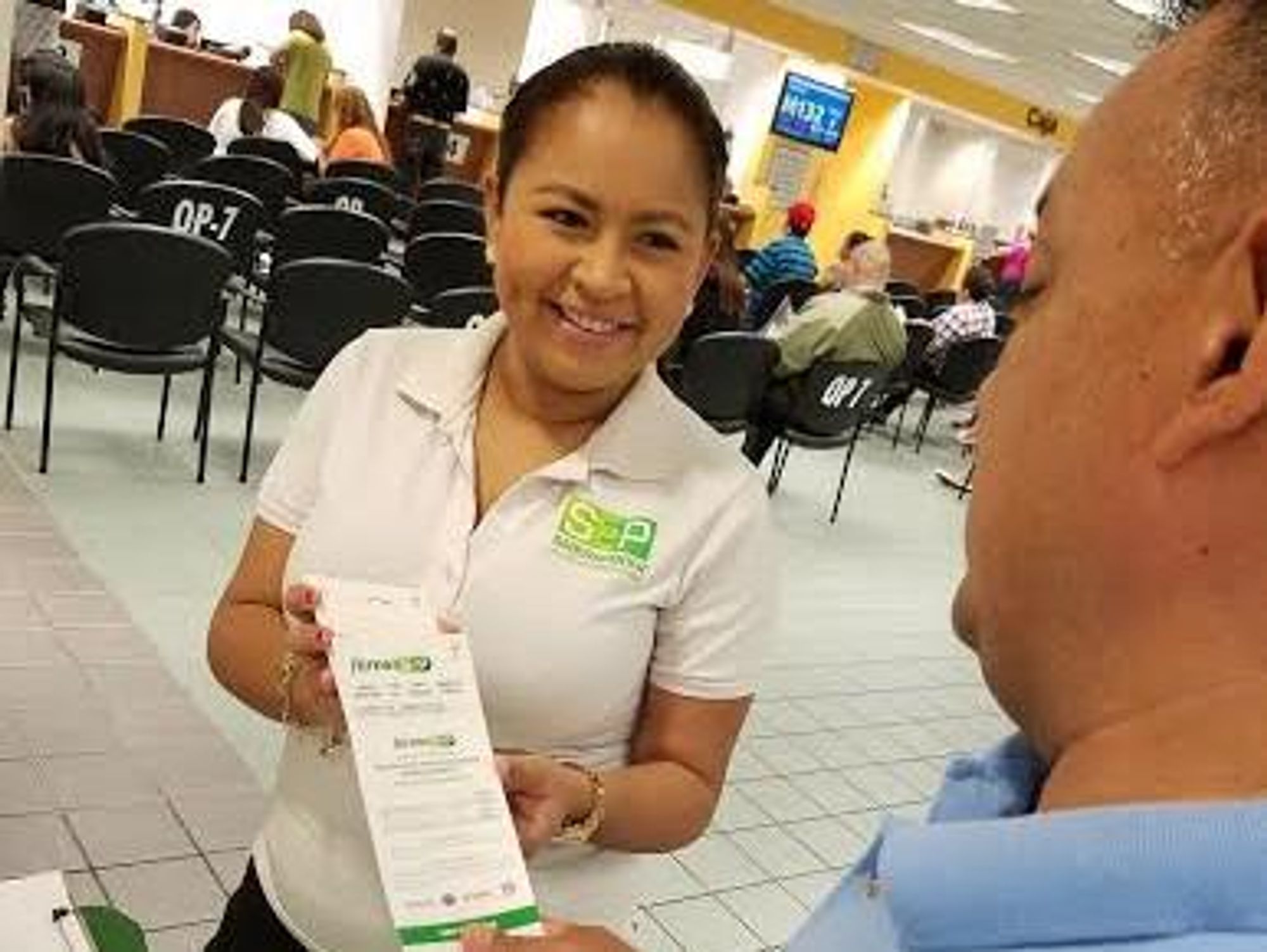
Hemmat and his co-founder, Raul Lomeli-Azoubel — both of whom are part of first-generation immigrant families — are taking the opposite approach. Welcome specifically addresses the needs of immigrants – particularly the nation's 62.8 million Latinos, half of whom cannot open a bank account at a traditional institution.

Slightly more than a third of Los Angeles County residents — where Welcome is based — were born in another country according to U.S. Census data.

"No other provider is servicing this consumer with the trust, customization and scale that we are," Hemmat said. "We are not just trying to be another financial service for this consumer, but instead a platform that is essential to their ongoing success."

Indeed, the Los Angeles-based company known by customers as Saber Es Poder offers more than banking. It's angling to be a one-stop shop for everything from finding a dentist, to telemedicine, to enrolling in English classes.

Welcome announced Wednesday it has closed a $35 million Series B financing round, bringing its total funding to date to $50 million. The funds will be used to introduce a debit card, a bilingual mobile app and build up a monthly subscription offering.

"We are growing quickly," Hemmat said.
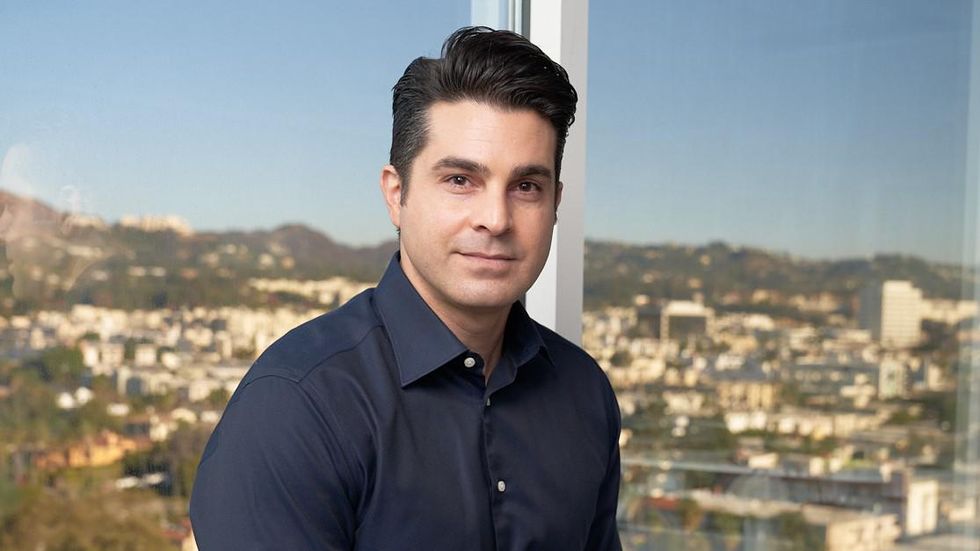
Amir Hemmat, co-founder and CEO of Welcome Tech. Amir Hemmat is co-founder and CEO of Welcome Tech.

Loosening regulation, ample venture funding, and quickly evolving technology has led to a wave of highly successful fintech platforms with no physical branches, like Chime, which reportedly could go public before the end of the year at a $30 billion valuation.

Last month, Pasadena-based Cheese launched a banking app for Asian Immigrants and Asian Americans with funding from Amplify and IdeaLab. Other fintech platforms are targeting the needs of Black and LGTBQ communities.

But some experts are skeptical about the long-term viability of these fintech platforms, given their higher borrowing costs.

"Fintechs can't compete on the funding side," said Rodney Ramcharan, a professor of finance and business economics at USC's Marshall School of Business who previously worked at the board of governors of the Federal Reserve system. "The advantage that fintech businesses have is they have data and algorithms that can price risk better than banks."

Welcome tech

L.A.'s Welcome Tech is known to many customers as Saber Es Poder.

Big banks like JP Morgan Chase have mountains of data of their own and have to get better at harnessing it to assess risks – or they will simply acquire fintech companies, predicted Ramcharan.

"It's not obvious to me the long-term viability of a fintech bank," he added.

Welcome's latest round was co-led by TTV Capital, Owl Ventures and SoftBank Group Corp's SB Opportunity Fund. Santa Monica's Crosscut Ventures, which was part of the company's seed round and led a $10 million Series A round last year, also participated.

"The evolution of neobanks, and growth of financial solutions over the past couple years is proof a solution addressing the rising Hispanic and immigrant community was necessary and one that is rooted in education and empowering the consumer was appealing to me," said Brian Garrett, Crosscut's co-founder and managing director.

Welcome recruited Joe Munoz, the technical founder of Tinder, who became Welcome's chief data officer earlier this year after serving as its first chief technology officer.

With over nine million immigrants using its platform every year, Welcome says it has amassed "the largest collection of proprietary data in the country reflecting the needs of the immigrant community."

In this day and age, collecting user data is very much a double edged sword as Facebook and a slew of other companies can attest. Immigrants are especially concerned about privacy.

Welcome emphasizes that it is a bank by and for immigrants - it is registered as a public benefit corporation. It also says their platform uses military-grade encryption to protect its members data, and never sells its data to third parties.

"We have witnessed how every industry has largely focused on extracting value from this consumer segment and we want to be the company that focuses on creating value for them," Hemmat said.

https://twitter.com/thebenbergman
ben@dot.la
Netflix Doubles Down on LA

🔦 Spotlight

Hey Los Angeles.

Goodbye Coachella, hello Stagecoach. The desert doesn’t stay quiet for long, and neither does LA’s entertainment machine.

This week, that momentum showed up in a more permanent way.

Netflix is expanding its footprint in Los Angeles with a major move to take over and invest in Radford Studio Center, a historic production lot in Studio City. The company is planning a long-term transformation of the site, with upgrades to soundstages, production offices, and infrastructure designed to support the next generation of film and television production.

It’s a notable shift in a moment when production has been under pressure in California, with studios increasingly looking outside the state for cost advantages. Netflix going deeper in LA, and specifically into a legacy studio lot, signals a different kind of commitment. Not just to content, but to where that content actually gets made.

And it comes at a time when the streaming wars have matured. Growth is harder, budgets are tighter, and the focus has shifted from scale at all costs to efficiency and control. Owning or operating more of the production environment gives Netflix tighter control over timelines, costs, and output.

For Los Angeles, it’s a reminder of what still anchors the city. Even as AI, defense tech, and infrastructure startups continue to rise, entertainment remains one of the few industries where LA isn’t just competitive, it’s foundational.

Different headlines each week, but a consistent theme underneath them. Whether it’s power, autonomy, or content, the companies that matter are investing in the layers they don’t want to outsource.

And in this case, that layer is Hollywood itself.

Below are this week’s venture deals, fund announcements, and acquisitions across LA 👇


🤝 Venture Deals

    LA Venture Funds

    • UP Partners and Calm Ventures participated in Reliable Robotics’ $160M funding round, backing the autonomous aviation company as it advances pilotless flight technology for cargo and passenger aircraft. The round included a mix of new and existing investors, and the company plans to use the capital to accelerate certification efforts and expand deployment of its autonomous systems across commercial aviation. - learn more
    • Blue Heron Ventures participated in Tava Health’s $40M Series C, backing the company as it expands its tech-enabled mental health platform into a more integrated, full-stack system for providers, employers, and health plans. The round was led by Centana Growth Partners with participation from existing investors, and the company plans to use the funding to roll out new AI-powered tools and broaden access to care while reducing administrative friction across the system. - learn more
    • Vamos Ventures participated in Zócalo Health’s $15M Series A, backing the company as it scales its tech-enabled, community-based primary care model focused on high-need and underserved populations. The round was led by .406 Ventures with participation from existing and new investors, and the company plans to use the funding to expand its clinics and deepen partnerships with Medicaid programs as demand for accessible care grows. - learn more

    LA Exits
    • Studio71 has been acquired by Fixated as part of a broader deal in which German media company ProSiebenSat.1 sold its North American creator business, giving Fixated a large-scale network of creators and podcast operations and significantly expanding its footprint as it continues an aggressive roll-up strategy in the creator economy. The move signals continued consolidation in the space, with Fixated building a more vertically integrated platform across talent management, content production, and distribution. - learn more
    • Bonsai Health has been acquired by ModMed, bringing its AI-powered patient engagement platform into a broader healthcare software ecosystem. The deal is aimed at integrating Bonsai’s “agentic AI” capabilities into ModMed’s platform to automate patient outreach, fill care gaps, and improve scheduling across a network of nearly 50,000 providers. - learn more

      Download the dot.LA App

      A $26M Push Into Power in LA

      🔦 Spotlight

      Hello, Los Angeles.

      Coachella Weekend 2 is here, which usually means LA is either heading back to the desert or happily staying put this time around. Back in the city, the focus this week is less about music infrastructure and more about something far more critical, power.

      That’s where this week’s news comes in.

      Critical Loop, a Los Angeles-based energy startup, raised a $26 million Series A to tackle one of the least talked about bottlenecks in tech right now, grid interconnection. In simple terms, it’s the process of getting power to where it’s needed, and increasingly, that process is too slow to keep up.

      Critical Loop is building modular microgrid systems that can be deployed in days instead of years, giving industrial operators, data centers, and other energy-heavy users faster access to power without waiting on traditional grid upgrades. The round was led by Conifer Infrastructure Partners and Hanover, with participation from Better Ventures, Climate Capital, Adapt Nation Capital, and Cyrus Ventures.

      The timing here matters. Between AI infrastructure demands, electrification, and a broader push toward domestic energy resilience, power is quickly becoming a gating factor for growth. You can build the data center, the factory, or the next big thing, but none of it works if you can’t turn it on.

      That’s what makes companies like Critical Loop worth watching. They’re not building the flashiest part of the stack, but they’re solving for the piece everything else depends on.

      And in a city that knows a thing or two about scaling ambition quickly, that might be the most important layer of all.

      Below are this week’s fund announcements across LA 👇


      🤝 Venture Deals

      LA Venture Funds

      • Anthos Capital participated in Wealth.com’s $65M Series B, backing the AI-powered estate and tax planning platform as it scales across financial institutions. The oversubscribed round included new investors like Titanium Ventures and Pruven Capital alongside existing backers, and the company plans to use the funding to expand product development, pursue acquisitions, and grow its enterprise footprint as demand rises for AI-driven wealth management solutions. - learn more
      • Anamika Ventures participated in Sage Haven’s $3M pre-seed round, backing the AI-powered messaging and calling app designed to create a safer communication environment for kids. The round was led by Anamika Ventures alongside Fabric Ventures and a group of early-stage investors, as the company launches a platform focused on preventing cyberbullying through real-time AI moderation and parent oversight tools. - learn more
      • MANTIS Venture Capital participated in Factory’s $150M Series C, backing the AI startup as it builds autonomous software engineering systems for enterprise teams. The round was led by Khosla Ventures and included firms like Sequoia Capital, Blackstone, Insight Partners, and NEA, valuing the company at $1.5 billion. Factory plans to use the funding to invest further in product development and global expansion as demand grows for AI-driven tools that can automate large portions of the software development process. - learn more
      • Rebel Fund participated in Uplane’s $4.5M seed round, backing the AI startup as it looks to replace traditional marketing agencies with a platform that automates ad creation, testing, and budget optimization. The round was led by Play Ventures with participation from Y Combinator, 20VC, and Multimodal Ventures, and the company says its technology can improve return on ad spend by automating performance marketing workflows. - learn more
      • Alexandria Venture Investments and Presight Capital participated in Alloy Therapeutics’ $40M Series E, backing the biotech infrastructure company as it scales its AI-powered platform for drug discovery and development. The round included a mix of new investors like 8VC and JIC Venture Growth Investments alongside returning backers, valuing the company at $1 billion and underscoring continued interest in platforms that combine AI, data, and lab services across the biopharma lifecycle. - learn more
      • Finality Capital Partners participated in HYFIX’s $15M seed round, backing the semiconductor startup as it builds American-made chips designed to power drones and autonomous robots. The round was led by Craft Ventures with participation from Catapult Ventures, Multicoin Capital, and Sky Dayton, and the company is developing an integrated system-on-a-chip to replace fragmented hardware stacks and reduce reliance on foreign components. - learn more
      • Rainfall Ventures participated in Stendr’s $5.4M pre-seed round, backing the Norwegian defense tech startup as it builds an AI-native platform for drone detection and counter-drone operations. The round was co-led by Rainfall alongside ACME Capital and Skyfall, with additional participation from Antler, StartupLab, and other early-stage investors, and the company plans to use the funding to accelerate development of its multi-sensor technology and expand engineering capabilities. - learn more
      • Slauson & Co. participated in Slate Auto’s $650M funding round, backing the EV startup as it works to bring a lower-cost electric pickup truck to market. The round was led by TWG Global and comes as the Bezos-backed company prepares to begin production, targeting a more affordable segment of the EV market with a customizable truck expected to launch later this year. - learn more
      • Navitas Capital co-led Primepoint’s $10M seed round, backing the AI startup as it builds a platform that reads and connects complex construction drawings to streamline project workflows. The round also included investors like Penny Jar Capital, NextView Ventures, GS Futures, and Aglaé Ventures, and the company plans to use the funding to expand its platform and grow adoption among large commercial contractors. - learn more
      • Alexandria Venture Investments participated in Neomorph’s $100M Series B, backing the biotech company as it advances its molecular glue degrader platform targeting previously undruggable diseases. The round was led by Deerfield Management with participation from Regeneron Ventures, Longwood Fund, and Binney Street Capital, and the company plans to use the funding to support ongoing clinical trials and expand its broader drug development pipeline. - learn more

      Download the dot.LA App

      Hermeus Moves In. Uber Lines Up. LA Wins.

      🔦 Spotlight

      Hello, Los Angeles.

      This week’s transportation news says a lot about where LA is headed and who wants to build here.

      Start with Hermeus, which hit a $1 billion valuation after raising $350 million as it works on high-speed aircraft for defense applications. More notably for Los Angeles, the company is moving its headquarters to El Segundo, adding to the region’s growing aerospace and defense cluster. The round was led by Khosla Ventures, with participation from returning backers including Canaan Partners, Founders Fund, RTX Ventures, Bling Capital, and In-Q-Tel, along with new investors including Cox Enterprises, Socium Ventures, Destiny Tech100, Georgia Tech Foundation, 137 Ventures, and GSBackers.

      Then there’s Uber, which made two separate autonomous vehicle announcements that both put Los Angeles in the rollout map.

      The first is a partnership with Zoox, Amazon’s autonomous vehicle company. Uber said the service is expected to launch in Las Vegas in summer 2026 and then come to Los Angeles by mid-2027, giving riders the option to match with a Zoox robotaxi through the Uber app.

      The second is a new deal with MOIA America, which plans to deploy autonomous ID. Buzz vehicles on the Uber platform in Los Angeles by the end of 2026.

      Taken together, the message is pretty straightforward: LA is not just watching the future of transportation take shape, it is increasingly being used as the place to test it, scale it, and sell it. Hermeus is bringing its headquarters here as defense aviation regains momentum. Uber is lining up autonomous partners with Los Angeles as a target market. Different companies, different timelines, same conclusion: a meaningful share of the next transportation cycle is being built with LA in mind.

      Below are this week’s venture deals, fund announcements, and acquisitions across LA.


      🤝 Venture Deals

      LA Companies
      • PeakMetrics raised a $6M Series A to scale its AI-powered narrative intelligence platform, which helps organizations track how information spreads online and identify risks from misinformation and coordinated campaigns. The round was led by Moneta Ventures with participation from Techstars, Parameter Ventures, VITALIZE Venture Capital, and Gurtin Ventures, and the company plans to use the funding to enhance its real-time detection capabilities and expand adoption across enterprise and government customers. - learn more
      • Hybron raised a $25M seed round to scale its advanced carbon fiber composite manufacturing technology, which aims to produce high-performance components faster and at lower cost than traditional methods. The round was led by Marque Ventures with participation from a mix of venture firms and strategic investors, and the company plans to use the funding to expand manufacturing capacity, grow its team, and support increasing demand from aerospace and defense programs. - learn more

      LA Venture Funds

      • Emmeline Ventures participated in Osteoboost’s $8M funding round, backing the company as it expands access to its FDA-cleared wearable designed to treat low bone density in postmenopausal women. The round was led by Ambit Health Ventures with participation from Disrupt Health Impact Fund and others, and the company plans to use the capital to scale manufacturing, expand clinical research, and grow commercial adoption. - learn more
      • Bonfire Ventures led Juno’s $12M seed round, backing the AI-powered tax preparation platform as it aims to automate up to 90% of the manual work in tax filing for accounting firms. The round included participation from Impression Ventures and Xfund, and the company says its software can significantly reduce preparation time while keeping CPAs in the loop for review and advisory work. - learn more
      • Alexandria Venture Investments participated in Sidewinder Therapeutics’ $137M Series B, which will help fund the company’s push to bring its precision bispecific ADC cancer programs into the clinic. The round was co-led by Frazier Life Sciences and Novartis Venture Fund, and Sidewinder said it expects to advance its lead program into clinical development in 2027. - learn more
      • Slauson & Co. participated in Flora Fertility’s $5M seed round, backing the company as it builds what it describes as an individually owned fertility insurance platform that is not tied to an employer. The round was led by ManchesterStory, and Flora plans to use the funding to scale a model aimed at making fertility coverage more portable and accessible for consumers. - learn more
      • Mucker Capital participated in Fastrflow’s $375K early funding round, backing the startup as it builds a screen-aware AI copilot designed to assist students and professionals directly within their workflows. The company is focused on creating an assistant that can understand what’s on a user’s screen in real time to provide contextual help, positioning itself as a more integrated alternative to traditional standalone AI tools. - learn more

      LA Exits

      • Modern Animal has been acquired by Chewy, giving the pet e-commerce giant a much bigger physical veterinary footprint as it expands deeper into healthcare. The deal brings Chewy an additional 29 clinics, 24/7 virtual care, and a membership-based model, and is expected to grow Chewy Vet Care from 18 to 47 locations nationwide while adding more than $125 million in annualized run-rate revenue. - learn more
      • Honk has been acquired by Frontenac, with the Los Angeles roadside assistance software company simultaneously completing an add-on acquisition of CurbsideSOS as part of the deal. The combination is meant to scale Honk’s platform for roadside assistance, towing, and accident management, with former Grubhub executives including Adam DeWitt, Matt Maloney, and Eric Ferguson joining the company to lead its next phase of growth. - learn more

      Download the dot.LA App

      RELATEDEDITOR'S PICKS
      Trending