


Get in the KNOW
on LA Startups & Tech
XElevation Ventures Is Raising $50M for a Climate-Focused Tech Fund in SoCal
Interest in electric cars is spiking as gas prices rise to their highest prices in years, but supply chain headaches and the lack of infrastructure such as charging stations are keeping the demand pent up. And, the longer-term effects on power grids will mean there will be lots to upgrade, even after the transition to cleaner technology, like electric vehicles, comes online.
Elevation Ventures, a new climate-focused venture firm in Orange County, is raising a $50 million fund to focus on technology that can provide new products and services. The fund will target seed-stage companies in SoCal, though it might also invest in a few Series A funding rounds. Check sizes will range from $500,000 to $3 million.
Elevation has partnered with two local organizations with deep roots in O.C.: business incubator Octane and Sustain SoCal, a network of professionals focused on clean tech development.
A VC Built By Consortium
Elevation Ventures Managing Partner Neal Rickner is an Orange County native who recently moved back to the area from Silicon Valley, where he was the COO of Makani Technologies, a company that developed airborne wind turbines. It was acquired by Google in 2013, and then eventually shut down by Alphabet, Google's parent company.
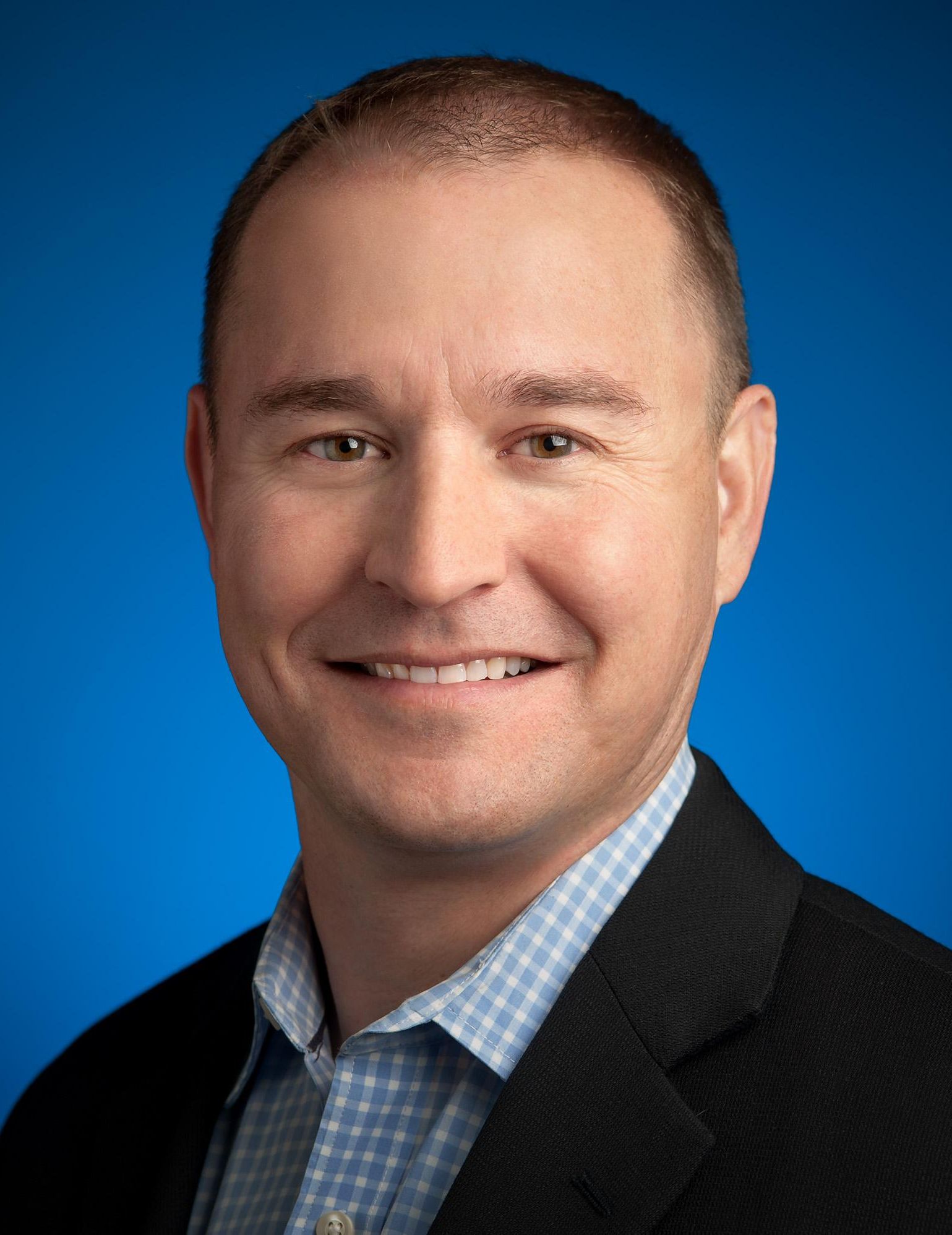
Elevation Ventures Managing Partner Neal Rickner.
Image courtesy of Neal Rickner
He also worked with what’s known as “X,” (formerly Google X), a research and development facility founded by Google, which now operates as a subsidiary of Alphabet.
”I’ve been through the ringer...up there,” he said. “I learned the best I could from the best innovators in the world."
But it wasn’t until Rickner did some serious reflection in 2020, that he decided to move back to Orange County. He had some informal conversations with members from Aliso Viejo-based Octane’s team in 2017, but it didn’t coalesce until 2020. Octane acted as the catalyst and facilitator, bringing in Sustain Socal. Elevation Ventures was formed.
Octane already has a track record in investing. In 2016, it partnered with Visionary Ventures, a VC firm that backs ophthalmology and aesthetic startups, which have a strong presence in Orange County.
The organization has both for-profit and nonprofit branches and serves SoCal’s general technology and medical technology ecosystems—connecting people, resources and capital. One of its initiatives is a four-month accelerator program called LaunchPad that gives local founders access to a slew of advisors and resources.
Sustain SoCal is a hub of climate, sustainability and environmental experts, with a presence at UC Irvine’s innovation center, The Cove. The network comprises thousands of experts; most have been involved with clean tech and/or climate tech for 20 years or more.
Elevation expects to make 15 to 20 investments from this first fund, over the next two to three years, Rickner said. Even before the first close of the first fund, expected this summer, Elevation is already writing checks through a type of investing known as a special purpose vehicle. Typically set up as an LLC or limited partnership company, SPVs make a single investment into just one company.
Rickner, Octane CEO Bill Carpou and Sustain SoCal CEO Scott Kitcher put together a mission statement for their new venture firm in the fall.
”The three of us bring together the core ingredients for a VC fund to succeed,” he said. “And, we complement each other well. We have different networks and skill sets, but we’re mission-aligned and collectively-aligned.”
The team hopes to raise around $20 million by the summer. It’s raised just over $10 million so far, Rickner said.
“The first commitments are all from SoCal and know Octane or SoCal well,” Rickner said, adding that they’re targeting high net-worth individuals and family offices.
Elevation recently also brought on longtime climate technology investor Rachel Payne and former Seeder Clean Energy co-founder Alex Shoer.
Early Investments
Elevation’s first investment, for which it raised more than $1 million, was in Los Angeles-based Veloce Energy. The startup runs a software platform and installation system to enhance the move to a decentralized, distributed energy grid that enables anyone to trade electricity on its networks.
Rickner said companies like Veloce can accelerate the shift to these decentralized power systems “faster and cheaper” than enormous electricity providers.
In late April, the firm made its second investment (also through an SPV) in Carbon Collective.
The Alameda-based startup enables employees to use their retirement funds to fight climate change by divesting from companies that contribute to climate change and to re-invest in companies working to combat the climate crisis.
“Venture deals move quickly,” Rickner said, in explaining why he opted to raise money quickly via SPV rather than waiting for the fund to close. “These first two deals were great opportunities. We had special access, and we didn't want to pass them up.”
Rickner declined to disclose the amount of either investment.

Next Industrial Revolution
It wasn’t an easy decision to leave Silicon Valley.
“Part of the allure for me was [the opportunity to] work on something I’ve been passionate about for a long time,” Rickner said.
He credits the pandemic and lockdowns that followed with inspiring him, like many others, to reflect on what was important.
“A lot of people woke up and decided we had to take better care of our environment, that climate change was happening,” he added. ”When you take time, you realize there are more floods and fires and extreme events, and it became personal to a lot of folks."
Elevation will have plenty of opportunities to invest close to home, Rickner noted. Orange County is home to some of the biggest names in electric vehicles, including electric pickup truck maker Rivian Automotive, which is headquartered in Irvine.
But it will also have local competition. Laguna Beach-based Keiki Capital launched in 2017 to invest in climate tech startups at the pre-seed and seed level.
Rickner sees the time we’re living in as a transition into the next industrial revolution—and he sees opportunities.
“90% of the world economy, as measured by country GDP, has committed to net zero,” he said, referring to several nations’ pledges to move to power sources that are carbon neutral.
More than half of the world’s corporate and financial institutions, as measured by revenue and assets under management, have committed to a net-zero approach, he added.
“The previous industrial revolutions produced many billionaires,” Rickner said. “And this one will do the same.”
- Top Los Angeles Clean Tech Companies of 2021 - dot.LA ›
- LA's Clean Tech Startups Tackle Climate Change - dot.LA ›
- Los Angeles Clean Tech Startup News - dot.LA ›
- How XPRIZE Plans to Combat Wildfires Through Competition - dot.LA ›
🔦 Spotlight
Happy Friday, Los Angeles.
Next week, hundreds of tech events will take over the city, bringing founders, investors, engineers and creators together from October 12 through 18.
Calling LA Tech Week a conference does not quite capture the experience.
Presented by Andreessen Horowitz, Tech Week is a decentralized collection of panels, workshops, demonstrations and gatherings hosted independently by startups, venture firms and technology companies. There is no convention center or central stage. The programming stretches from Santa Monica and Venice to Culver City, Downtown, El Segundo and beyond.
In other words, the city is the venue.
AI remains the dominant theme for 2026, appearing across enterprise software, healthcare, finance, media and the creator economy. The schedule also reflects industries where Los Angeles has built a particular advantage, including aerospace, defense, robotics, advanced manufacturing, entertainment and consumer technology.
That range is what makes LA Tech Week distinct. It brings together the software companies shaping what comes next with the industries that already define Southern California.
The challenge is deciding where to show up.
Our advice: apply early and organize your schedule by neighborhood. Crossing from Santa Monica to Downtown may look manageable on a calendar created by someone who has never driven in Los Angeles.
To help you spend more time meeting people and less time crossing the city, we have organized each day’s events by location:
You can also browse the complete official LA Tech Week calendar.
Plan carefully, but do not fill every minute. The best conversation of the week may be the one that was never on your calendar.
More from this week’s LA startup and venture scene below.
🤝 Venture Deals
LA Companies
- El Segundo-based Gallatin AI raised a $50M Series A from new and existing investors including 8VC and Silent Ventures, bringing its total funding to $70M. The defense technology startup will expand its engineering team and advance Navigator, an AI platform that helps U.S. military units coordinate vehicle readiness, supplies, medical logistics and other mission-support operations. - learn more
- Pasadena-based quantum computing startup Oratomic raised a $475M Series B at a $5.4B valuation, just three months after its Series A. ARCH Venture Partners, Spark Capital, Khosla Ventures, Index Ventures, General Catalyst and Bezos Expeditions co-led the round, bringing Oratomic’s total funding to $775M as it works toward a commercially viable, fault-tolerant quantum computer by 2030. - learn more
- Torrance-based Fortastra raised a $30M Series A led by First In, with participation from Upfront Ventures, Space Capital, Rsquared, Side Door Ventures, ATX Ventures and existing investors. The company will use the capital to develop its next-generation maneuverable spacecraft, expand its engineering and operations teams and scale production of systems designed to protect critical assets in orbit. - learn more
- Parallel Systems raised a $100M Series C led by AVP, with participation from Hillspire, Agility Global, Cobalt Capital, Anthos Capital, Congruent Ventures, Riot Ventures and Collaborative Fund. Founded by former SpaceX engineers, the company will use the funding to scale production and commercial deployment of its autonomous, battery-electric Panther rail vehicles, which are designed to make short-haul freight more competitive with trucking. - learn more
- Gaming studio Gardens Interactive secured more than $35M in a Series B led by Lightspeed, with participation from Sequoia Capital, Index Ventures, Accel, Innovation Endeavors, Zenith Capital and other investors. The company will use the funding to launch and operate its debut social role-playing “strandbox” game, an evolving multiplayer world shaped by players’ actions and interactions. - learn more
- Outer Spaces raised an $8M pre-seed round led by Upfront Ventures, with participation from Unlock Venture Partners, Mucker Capital and Genius Ventures. The startup is developing outdoor furnishings with integrated solar panels and batteries, turning backyards into sources of clean energy and backup power. - learn more
- Furientis raised a $25M seed round led by Benchmark at a reported $125M valuation, following a $5M pre-seed announced in May. The defense startup will use the capital to scale production of lower-cost missile interceptors designed to be assembled quickly with readily available components, with a long-term goal of producing 1,000 systems annually at each factory. - learn more
- Hiyo raised a $20.8M Series B led by Constellation Brands, with returning investor Live Nation also participating. The nonalcoholic beverage company will use the funding to expand its adaptogen- and nootropic-infused social tonics across more than 13,000 retail locations while growing its presence at hospitality venues and live events. - learn more
- Navitas Capital participated in Vesta’s $30M Series B, which was led by Conversion Capital and included backing from several major mortgage lenders and financial institutions. The company will use the funding to scale its AI agents across mortgage origination, automating tasks such as application reviews, underwriting decisions and closing-document checks. - learn more
- MTech Capital led Nettle’s oversubscribed $4.8M seed round, with participation from Project A Ventures, Sure Valley Ventures, Portfolio Ventures and Ventures Together. The insurtech startup will use the funding to expand across the U.S. and Europe while growing its AI platform, which helps commercial insurers identify property risks, accelerate inspections and generate reports. - learn more
- Bonfire Ventures doubled down on Santé by participating in the company’s $15M Series A, which was led by FINTOP and included other returning investors. The New York startup will use the funding to expand its AI-powered operating system for independent wine and liquor stores, which combines point-of-sale, e-commerce, payments, inventory and marketing tools in one platform. - learn more
LA Exits
- Winnow Solutions was acquired by Marina del Rey-based Spring Labs, with financial terms undisclosed. Winnow’s attorney-built library of more than 100,000 state and federal regulatory requirements will become a core part of SpringGRC, helping financial institutions connect changing laws directly to their compliance policies, controls and workflows. - learn more
🔦 Spotlight
Hello, LA.
Somewhere between the streaming service you still use and the free trial you forgot to cancel, recurring payments have become a surprisingly complicated part of modern financial life.
Los Angeles-based ScribeUp believes your bank should help manage them.
The fintech company raised a $13M Series A led by Curql, with participation from Mucker Capital and Service Ventures. The financing includes $10M in equity and a $3M venture debt facility, bringing ScribeUp new capital to expand its team, accelerate sales and further develop its AI-powered bill-management technology.
The product is designed to live directly within the apps of banks, credit unions, fintechs and neobanks. Instead of simply showing customers that a recurring charge occurred, ScribeUp gives them tools to do something about it.
That could mean canceling a forgotten subscription, changing a payment method, accessing an advance or exploring refinancing options for an outside loan, all without leaving the financial institution’s app.
It sounds like a useful feature. It is also part of a much larger contest over who gets to manage the consumer’s financial life.
For years, banks have held customers’ money while third-party apps have increasingly helped them understand and manage it. Budgeting platforms organize spending. Subscription services identify recurring charges. Fintech apps recommend ways to save, borrow or invest.
Now AI assistants are beginning to combine those functions into a single interface capable of not only analyzing financial information, but acting on it.
That creates a risk for traditional financial institutions. If consumers begin turning to an outside app whenever they need to cancel a service, manage a bill or make a financial decision, their bank could become little more than the infrastructure beneath someone else’s customer experience.
ScribeUp offers banks a way to compete without building that technology themselves.
Its platform combines recurring-payment information with the financial context a bank already has, including balances, cash flow and payment timing. That allows a financial institution to do more than flag an upcoming charge. It can potentially recommend and execute an action based on the customer’s broader financial position.
ScribeUp says its technology is already used by more than 60 banks, credit unions, fintechs and neobanks. It can be added through an API, software development kit or embedded interface, allowing institutions to introduce bill-management features without creating the underlying infrastructure from scratch.
The new funding will support more advanced AI capabilities that can take action across different billers. That distinction matters. The first generation of personal finance software helped people see where their money was going. The next generation wants permission to do something about it.
For banks, the opportunity is straightforward: become more useful before another app takes their place.
For consumers, the appeal may be even simpler. Most people do not want another financial dashboard. They want the unwanted charge to stop.
The next battle in banking may not be over who holds your money.
It may be over who gets to press cancel.
More from this week’s LA startup and venture scene below.
🤝 Venture Deals
LA Companies
- International Dance League raised a $15M Series A led by Elysian Park Ventures, with participation from Sony, KB Partners, APEX, Yamaha Music Innovations Fund and October Ventures. Following a debut season that sold out all six events and generated 2B views, IDL will use the funding to expand its tour, strengthen team and dancer operations, improve broadcast production and develop new fan experiences for 2027. - learn more
- Santa Fe Springs-based DrizzleX raised a $6.8M Series A-2 led by Israel Investment Fund Group, with several of the water-management platform’s own customers also investing. The company will use the funding to expand sales, streamline hardware manufacturing, build partnerships and develop new products that help property owners detect leaks, reduce water use and lower operating costs. - learn more
- POV Beauty raised an undisclosed Series A led by Silas Capital, with participation from RÉDO Capital and existing investor Imaginary Ventures. The skin-prep brand will use the funding to build on its nationwide Sephora launch, expand its team and TikTok Shop presence, and develop more skincare-makeup hybrid products. - learn more
- Chapter One participated in Warp Sciences’ $215M Series A, which was led by Lightspeed and included a large group of venture firms and angel investors. The company is building AI-powered, increasingly automated laboratories that will manufacture and test molecules for drug developers, aiming to accelerate preclinical research while expanding scientific infrastructure in the U.S. - learn more
- Capital Group participated in Legora’s $550M Series E, which was led by Atreides Management and valued the legal AI company at $8.8B. Legora will use the funding to expand across the U.S. and international markets while developing new capabilities for its agentic operating system, which is used by more than 140,000 legal professionals. - learn more
- Group 11 participated in CapitalOS’ $21.9M Series A, which was led by LGVP and included WEX Venture Capital, Great North Ventures and Night Capital. CapitalOS will use the funding to scale its infrastructure, which enables B2B software platforms to quickly offer financial products while outsourcing functions such as compliance, risk management and underwriting. - learn more
- Starshot Capital participated in IMIO’s $12M funding round, which was led by Sofinnova Partners and included Chipotle’s Cultivate Next, Grow Together Salinas, Earth Foundry and Serra Ventures. The agricultural biotechnology company will use the capital to build a Chicago headquarters, laboratory and manufacturing facility for its freeze-dried microbial products, which are designed to improve soil health and crop yields. - learn more
- SUM Ventures participated in Vectorial’s $3M seed round, which was co-led by Smilegate and SenseAI Ventures and included several investors connected to UC Berkeley and Stanford. The startup will use the funding to scale its AI-powered consumer research platform, which lets companies test products, marketing campaigns and AI agents against simulated audiences before launching them publicly. - learn more
- Wave Function Ventures participated in Stellios Technologies’ oversubscribed $5M pre-seed round alongside Sofreh Capital, Cubit Capital, Mana Ventures, Atoms & Bits and other investors. The Austin-based company will use the funding to deliver its first high-power microwave systems, establish domestic research and manufacturing facilities, grow its team and advance technologies spanning directed energy, compact fusion and next-generation propulsion. - learn more
- Upfront Ventures participated in Daytona’s $60M Series B, marking the Santa Monica firm’s third investment round with the company. Led by FirstMark Growth, the financing valued Daytona at $1B and will help the startup expand sales and engineering for its cloud infrastructure, which provides secure virtual computers where AI agents can execute tasks. - learn more
- Core Innovation Capital participated in Delegance Brokerage’s $3.1M pre-seed round, which was led by Grit Capital Partners and included Gilgamesh Ventures and Outside VC. The AI-powered commercial insurance brokerage will use the funding to hire licensed brokers and engineers and expand partnerships as it promotes a flat 5% fee model in place of traditional commissions. - learn more
- Core Innovation Capital participated in Prism Data’s $20M Series A, which was led by Story Ventures and included FINTOP Capital, Obvious Ventures, 1st & Main Growth Partners and Mana Ventures. Prism will use the funding to expand its cash-flow underwriting technology, AI infrastructure and data science team while growing across the U.S. and Canada and preparing for international expansion. - learn more
LA Exits
- Sanctuary has been acquired by WSG Brands, adding the contemporary women’s label to a portfolio that includes Von Dutch, Nasty Gal and Allbirds. The purchase price was not officially disclosed, though earlier documents placed it at $67M; WSG plans to expand Sanctuary internationally and into new categories, while founders Ken and Debra Polanco will remain involved. - learn more
- SecureNet Solutions was acquired by CompassMSP, expanding the managed IT and cybersecurity provider’s presence on the West Coast. The deal gives SecureNet’s real estate, healthcare and professional services clients access to CompassMSP’s national cybersecurity, compliance and advisory resources while retaining their existing service team; financial terms were not disclosed. - learn more