

Get in the KNOW
on LA Startups & Tech
X
Design, Bitches
Looking to Build a Granny Flat in Your Backyard? Meet the Firms and Designs Pre-Approved in LA
Sarah Favot
Favot is an award-winning journalist and adjunct instructor at USC's Annenberg School for Communication and Journalism. She previously was an investigative and data reporter at national education news site The 74 and local news site LA School Report. She's also worked at the Los Angeles Daily News. She was a Livingston Award finalist in 2011 and holds a Master's degree in journalism from Boston University and BA from the University of Windsor in Ontario, Canada.
Adding a backyard home in Los Angeles is now nearly as easy as buying a barbecue.
Homeowners who for years have wanted to build a granny flat in their backyard, but dreaded the red tape, can now choose from 20 pre-designed homes that the city has already approved for use.
The shift, made official last week, will speed up a weeks-long process and bring more badly needed units to an overpriced market. It also has the potential to elevate the 14 startups and firms building the next generation of homes.
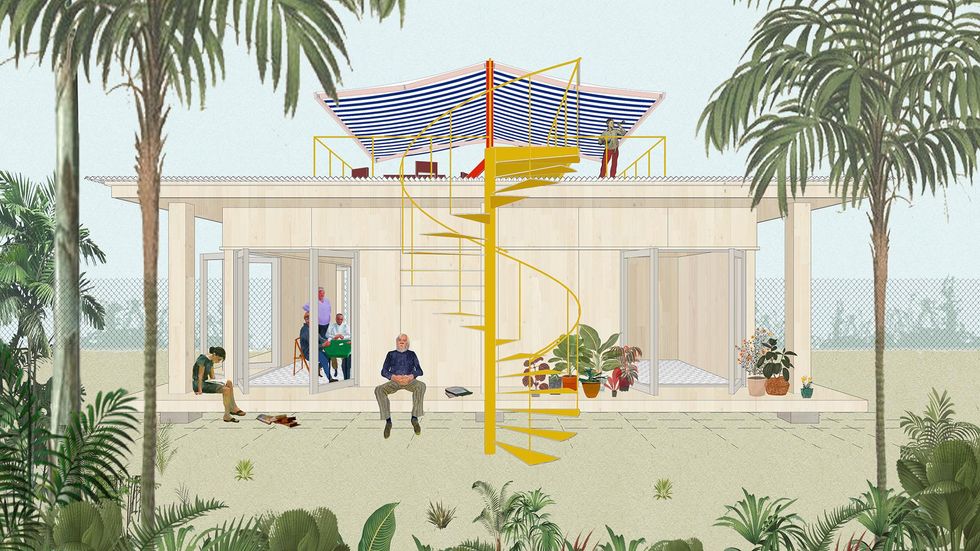
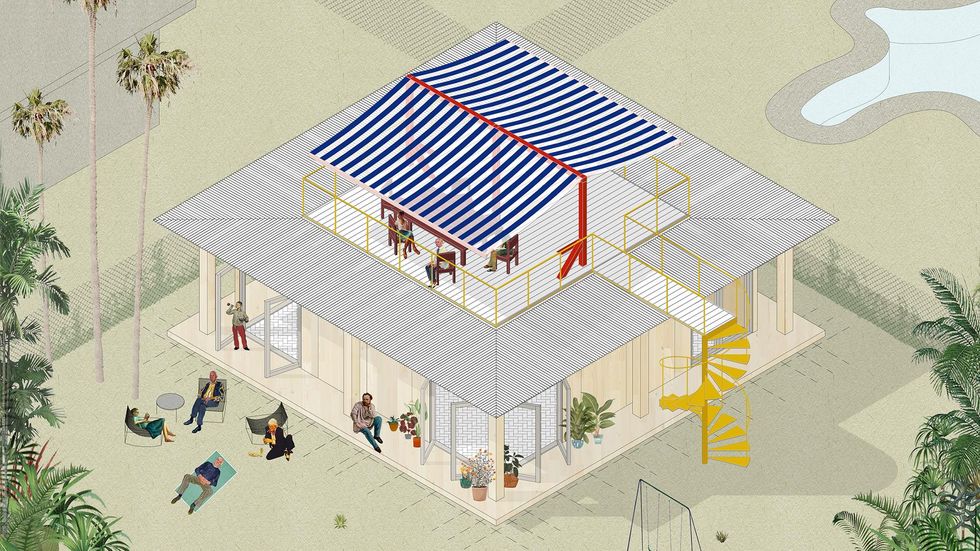
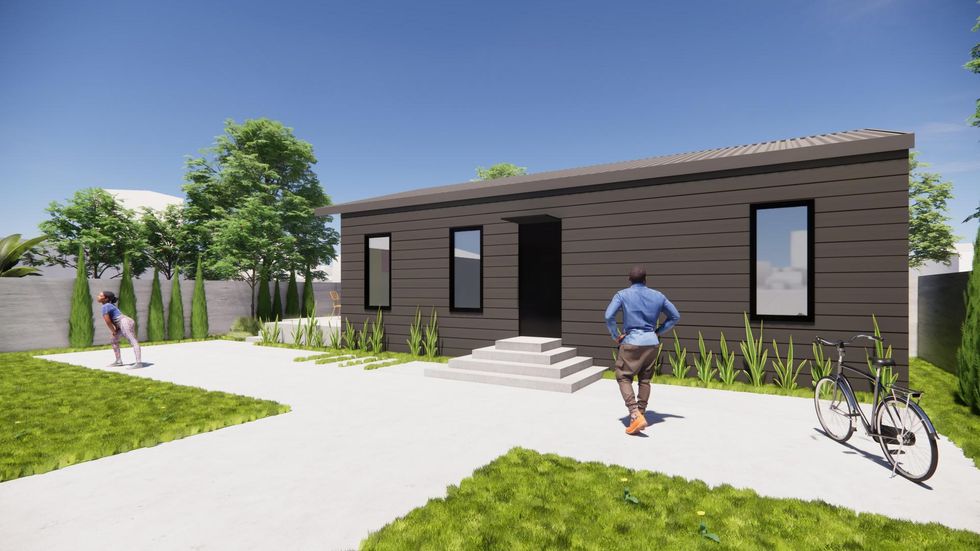
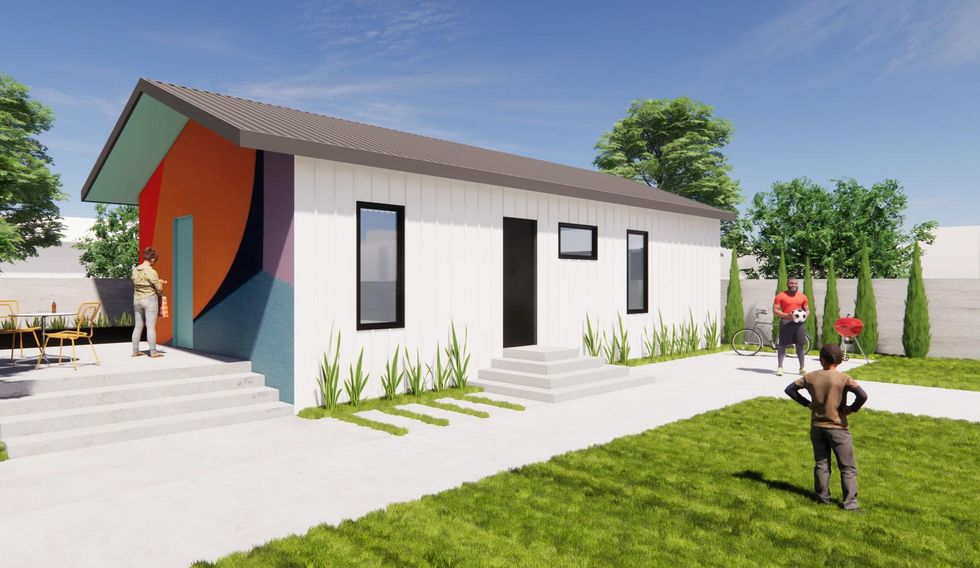
The designs for the stand-alone residences range from a 200-square-foot studio to a 1,200-square foot, two-story, two-bedroom unit. And many of the homes are filled with design flourishes, reflecting the diverse architecture of the city, from a house in the silhouette of a flower to one with a spiral outdoor staircase leading to the roof.
It's no surprise. The program was spearheaded by Christopher Hawthorne, a former architecture critic at the Los Angeles Times and now the city's chief design officer.
The firms are primarily local and startup architecture and design firms, while others are well-known with a history of building granny flats, also know as accessory dwelling units, or ADUs.
The standard plans avoid the Los Angeles Department of Building and Safety's typical four-to six-week review process and can allow approvals to be completed in as quickly as one day.
Some aspects of the plans can be modified to fit a homeowner's preferences. Eight other designs are pending approval.
Mayor Eric Garcetti believes by adding more such units, the city can diversify its housing supply and tackle the housing crisis. Recent state legislation made it easier to build the small homes on the lot of single-family residences. Since then, ADUs have made up nearly a quarter of Los Angeles' newly permitted housing units.
Because construction costs are relatively low for the granny flats – the pre-approved homes start at $144,000 and can go beyond $300,000 – the housing is generally more affordable. The median home price in L.A. County in January was $690,000.
Here's a quick look at the designs approved so far:
Abodu
Abodu
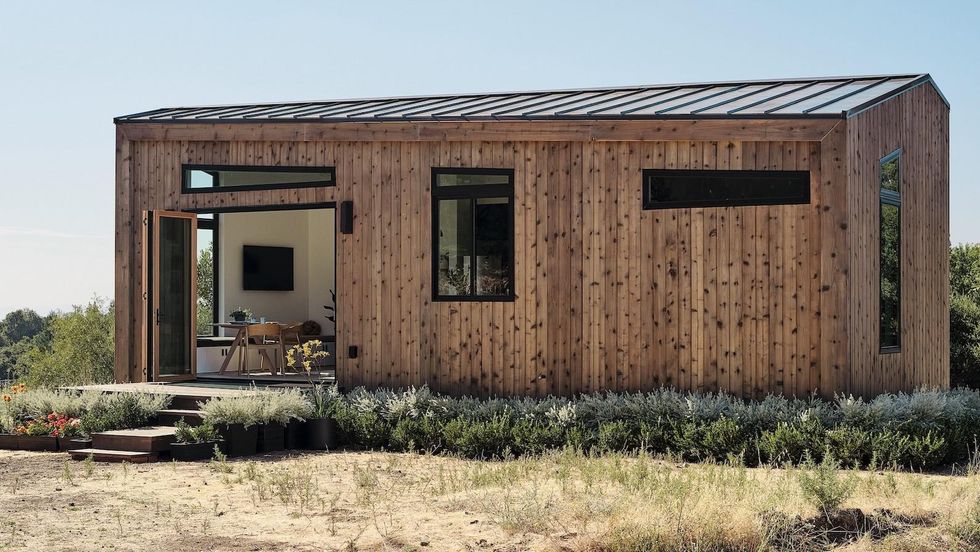
Abodu, based in Redwood City in the Bay Area, exclusively designs backyard homes. In 2019, it worked with the city of San Jose on a program similar to the one Los Angeles is undertaking.
In October, it closed a seed funding round of $3.5 million led by Initialized Capital.
It has been approved for a one-story 340-square-foot studio, a one-story one-bedroom at 500 square feet, and a one-story, 610-square-foot two-bedroom.
The pricing for the studio is $189,900, while the one-bedroom costs $199,900 and the two-bedroom is $259,900.
Amunátegui Valdés Architects
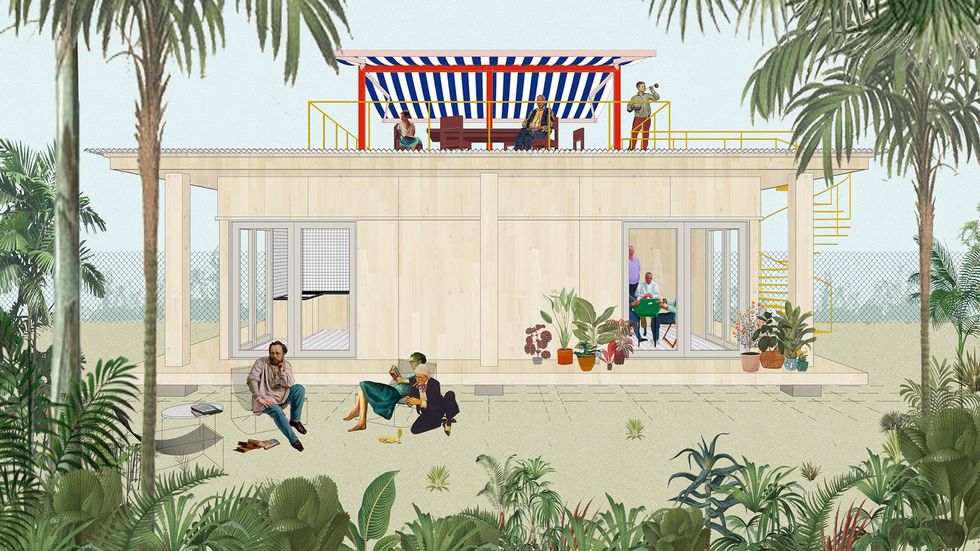
Led by Cristobal Amunátegui and Alejandro Valdés, the firm was founded in 2011 and has offices in Los Angeles and Santiago, Chile. Amunátegui is an assistant professor at the Department of Architecture and Urban Design at UCLA.
The firm designs work in various scales and mediums, including buildings, furniture and exhibitions.
Its one-story, two-bedroom with a covered roof deck 934-square-foot unit is pending approval from the city.


Connect Homes
Connect Homes has a 100,000-square foot factory in San Bernardino and an architecture studio in Downtown L.A.
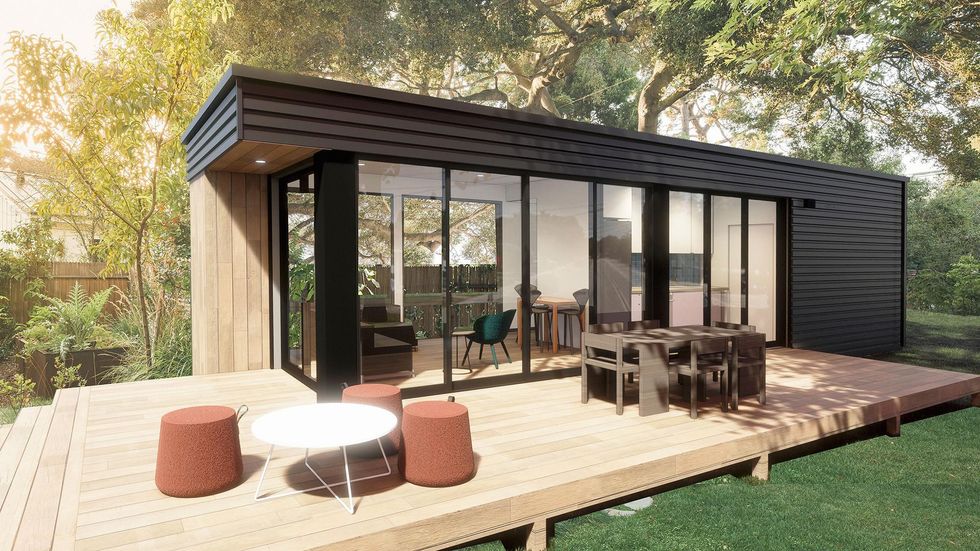
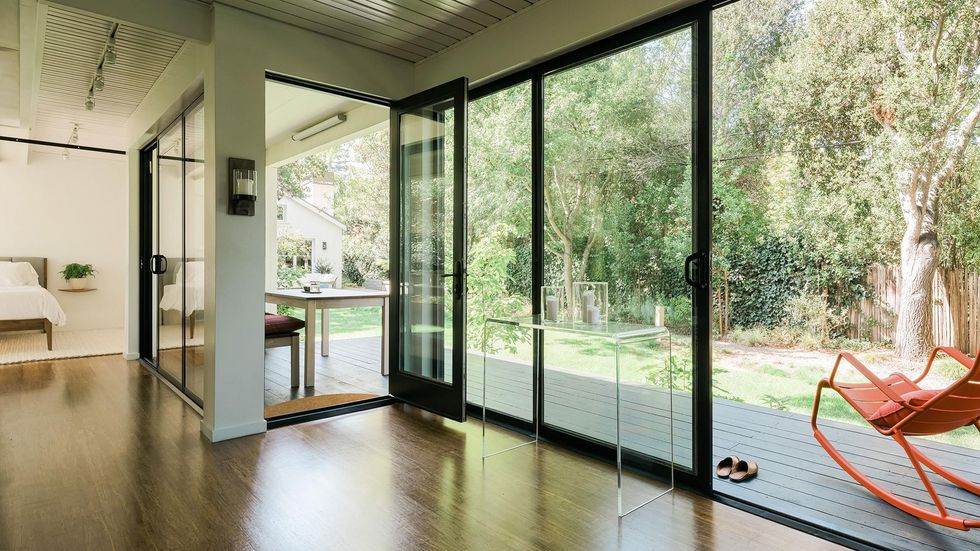
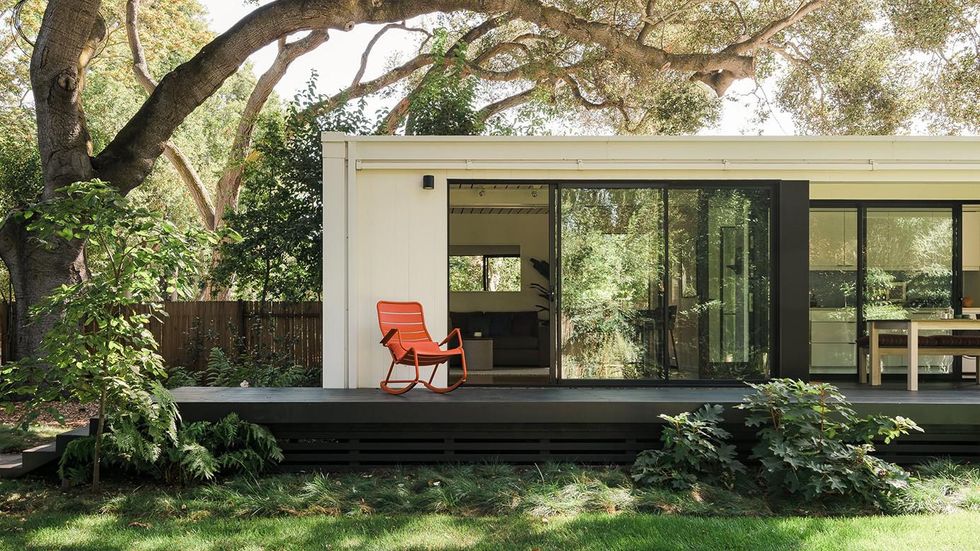
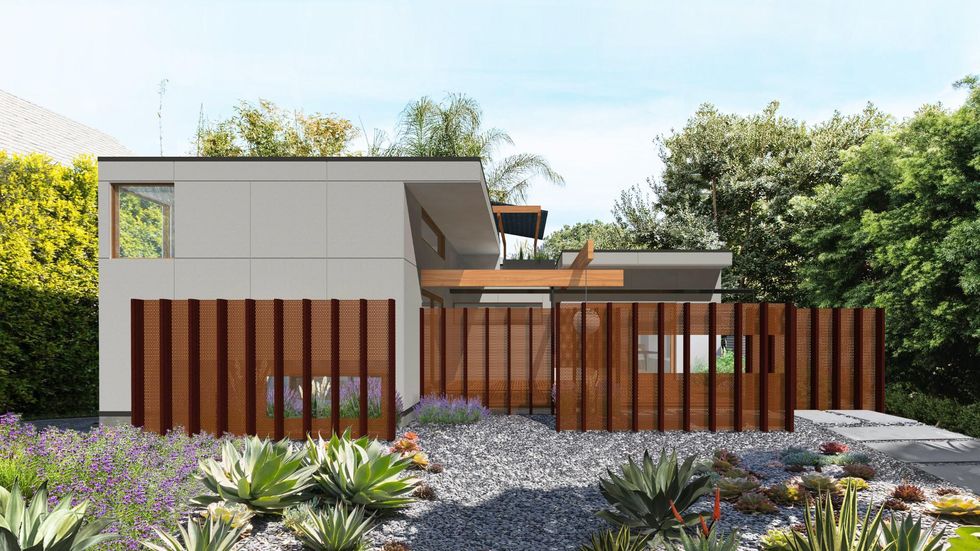
It specializes in glass and steel homes and has completed 80 homes in California. Its designs have an aesthetic of mid-century modern California residential architecture.
It has two one-bedroom models pre-approved by the city, one is 460 square feet, which costs $144,500 with a total average project cost of $205,000. The other is 640 square feet, which costs $195,200 with a total project cost of $280,000.


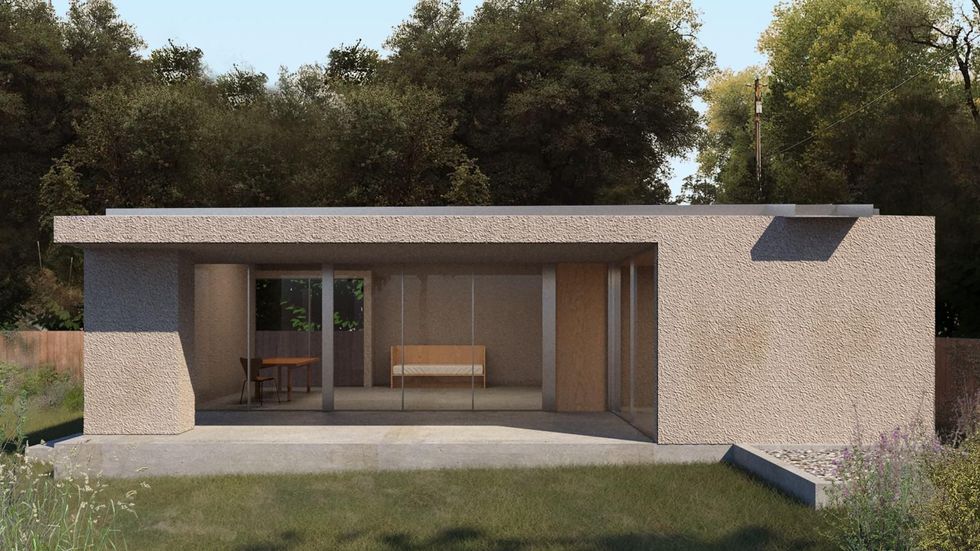
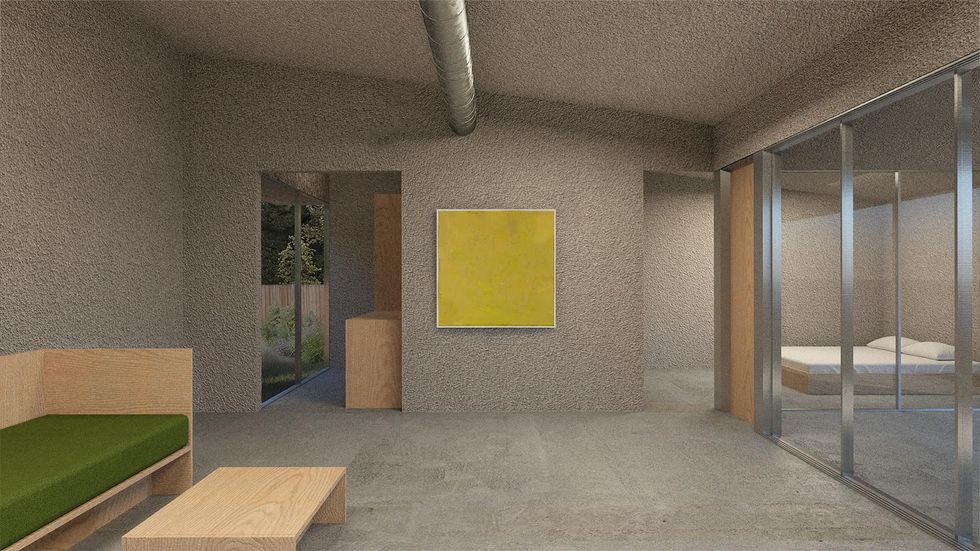
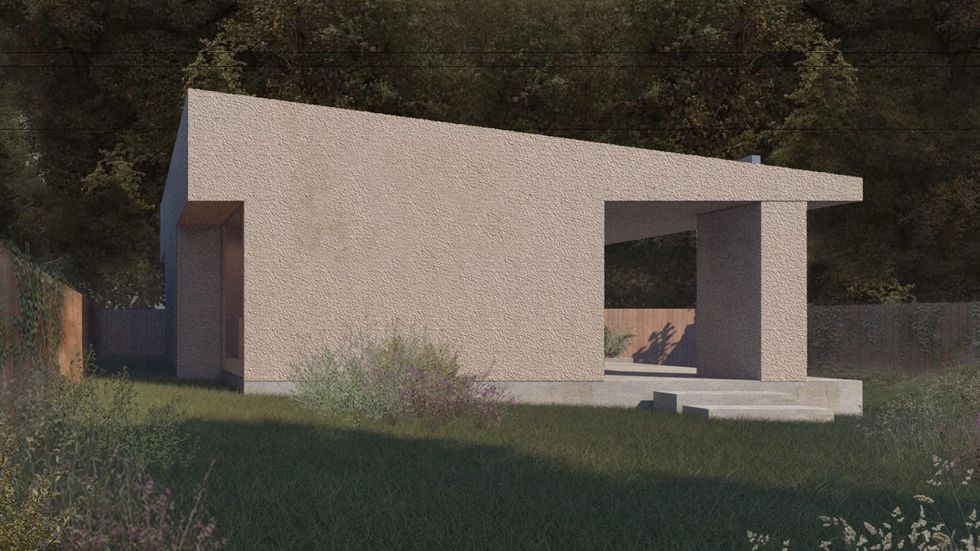
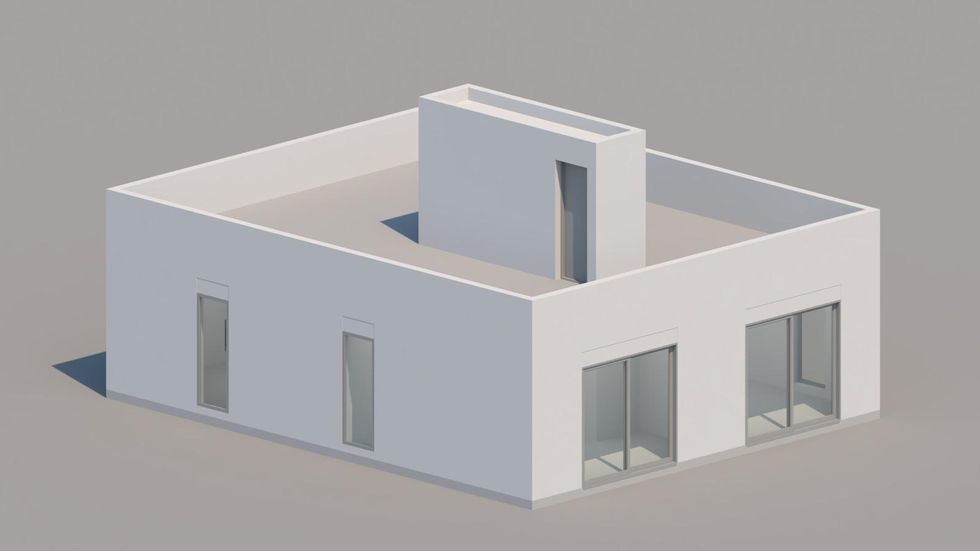
Design, Bitches
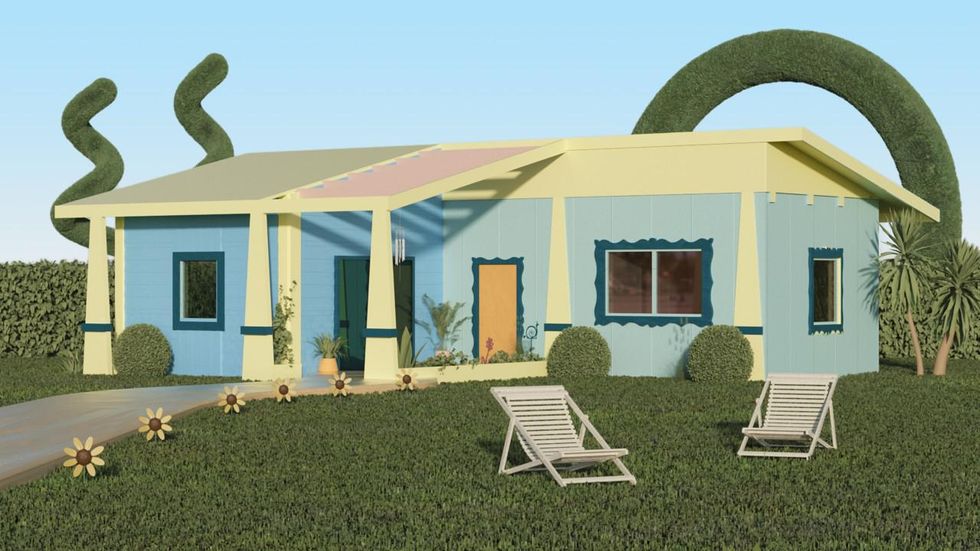
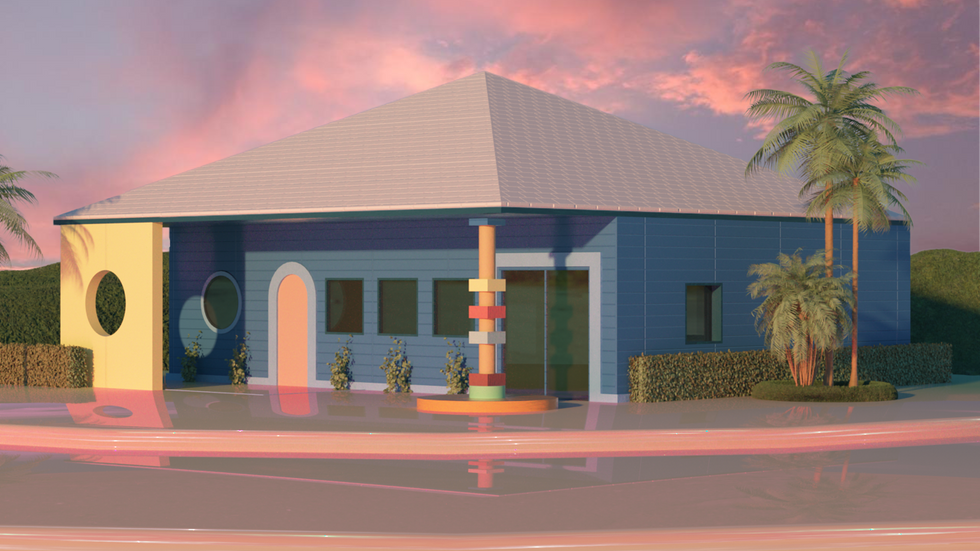
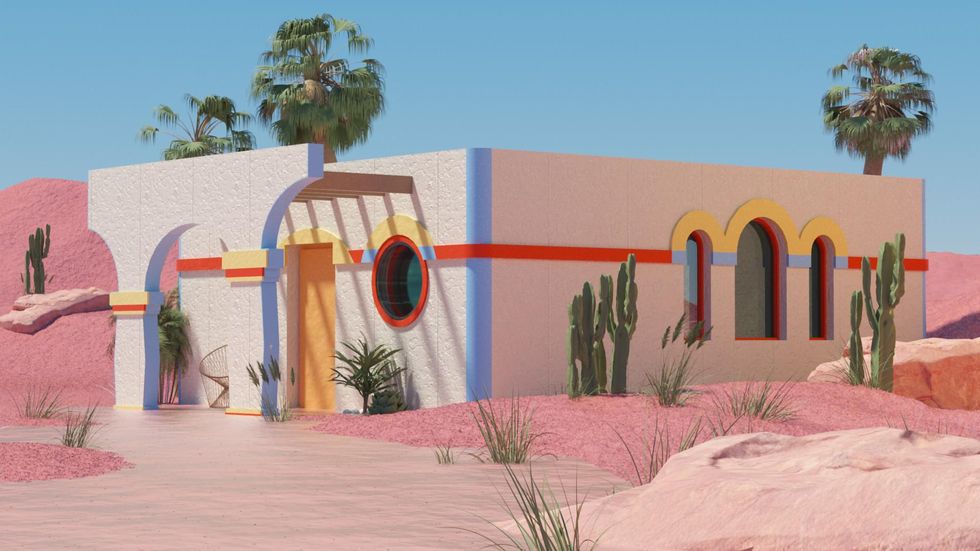
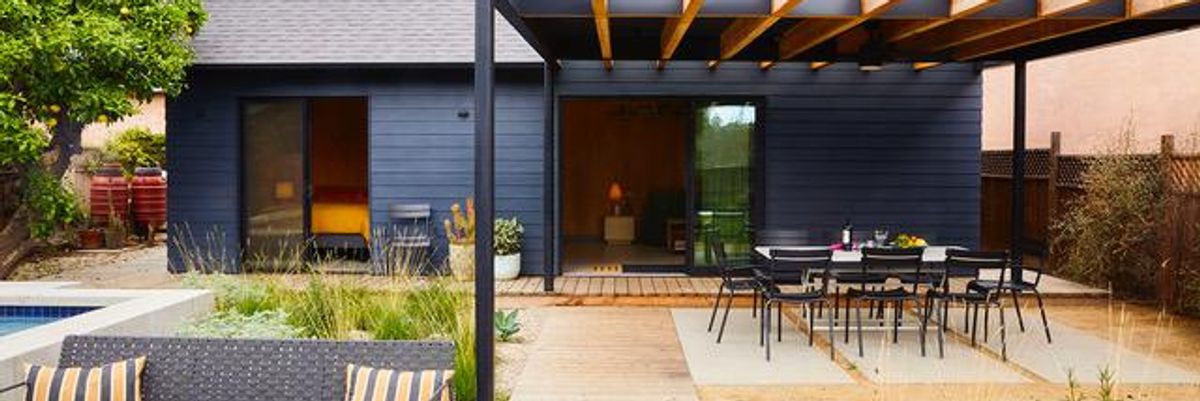
The Los Angeles-based architectural firm founded in 2010 describes itself as having a "bold and irreverent vision." Its projects include urban infill ground-up offices to single-family homes, adaptive re-use of derelict commercial buildings and renovations of historic landmarks.
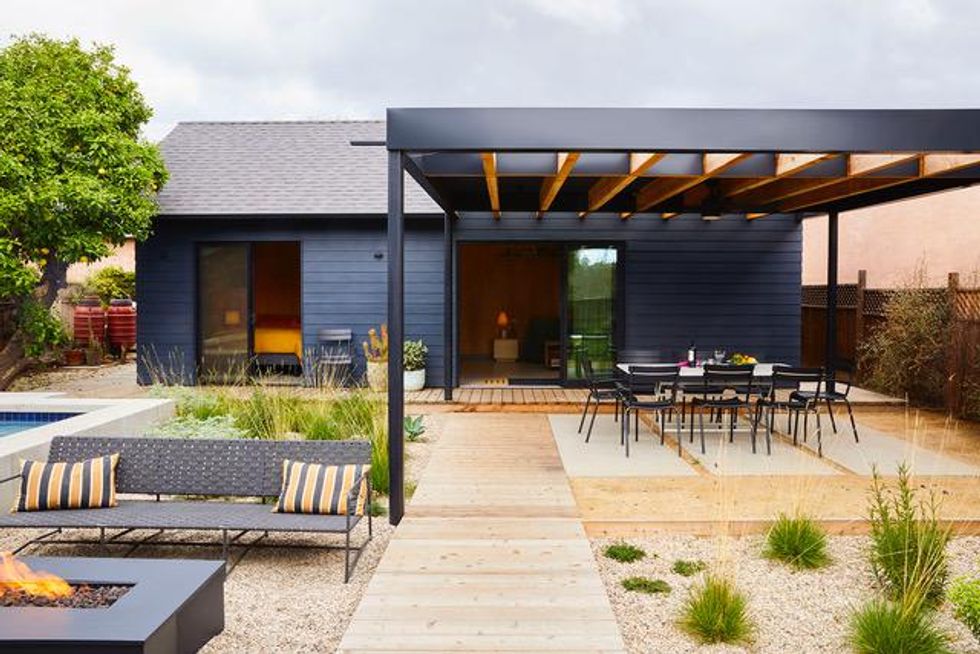
Its pre-approved design, named "Midnight Room," is a guest house/ studio. Its bedroom can be left open for a loft feel or enclosed as a separate room. The design is a one-story, one-bedroom at 454 square feet.


Escher GuneWardena Architecture
Founded in Los Angeles in 1996, Escher GuneWardena Architecture has received international recognition and has collaborated with contemporary artists, worked on historical preservation projects and more.
The company has been approved for two different one-story, one- or two-bedroom units, one at 532 square feet with an estimated cost of $200,000 and another at 784 square feet with an estimated cost of $300,000. The firm noted the costs depend on site conditions and do not include soft costs. Those could add 10% to 12% to the total construction costs.


First Office
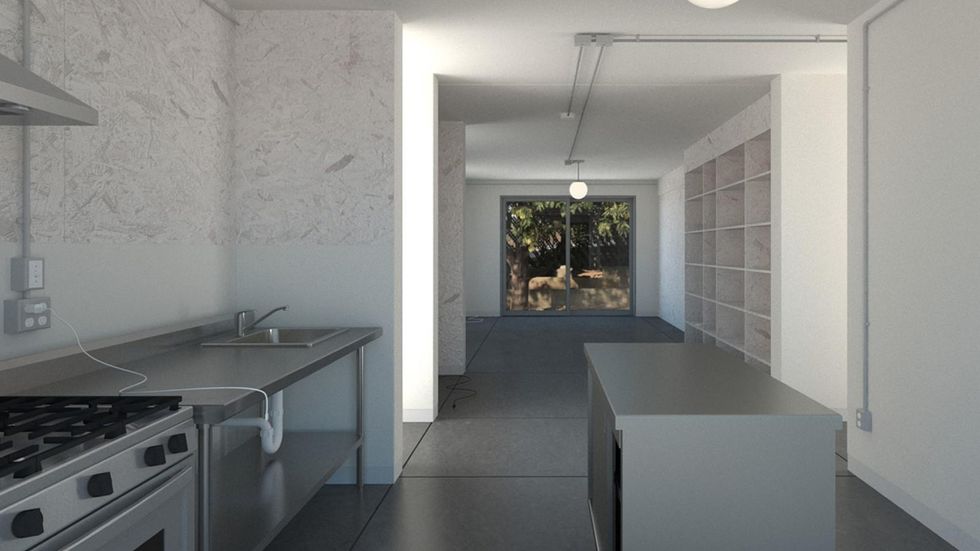
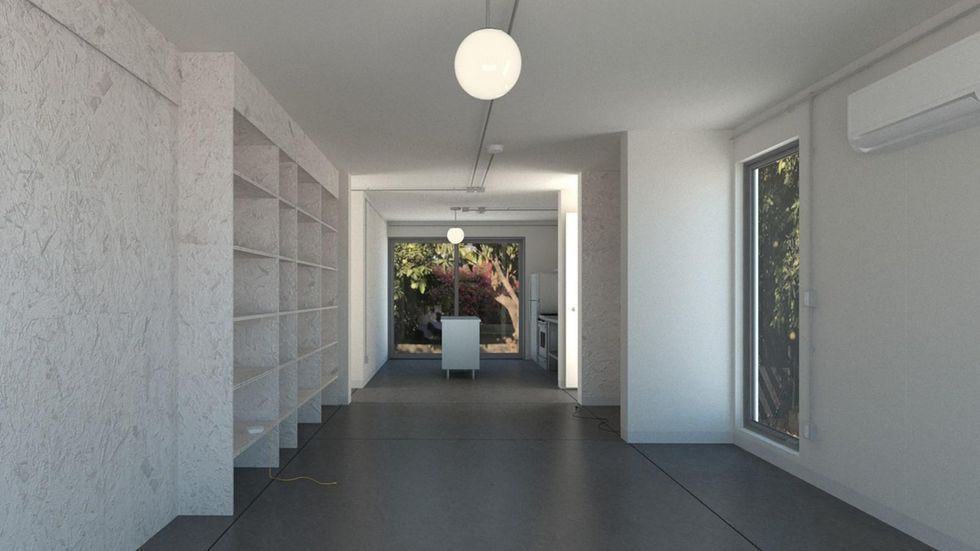
First Office is an architecture firm based in Downtown Los Angeles. Its approved ADUs will be built using prefabricated structural insulated panels, which allow for expedited construction schedules and high environmental ratings.
The interior finishes include concrete floors, stainless steel counters and an occasional element of conduit.
There are five options:
- A one-story studio, 309 to 589 square feet
- A one-story one-bedroom, 534 to 794 square feet
- And a one-story two-bedroom, 1,200 square feet


Fung + Blatt Architects

Fung + Blatt Architects is a Los Angeles-based firm founded in 1990.
The city has approved its 795-square-foot, one-story, one-bedroom unit with a roof deck. It estimates the construction cost to be $240,000 to $300,000, excluding landscape, site work and the solar array. Homeowners can also expect other additional costs.
Taalman Architecture/ IT House Inc.
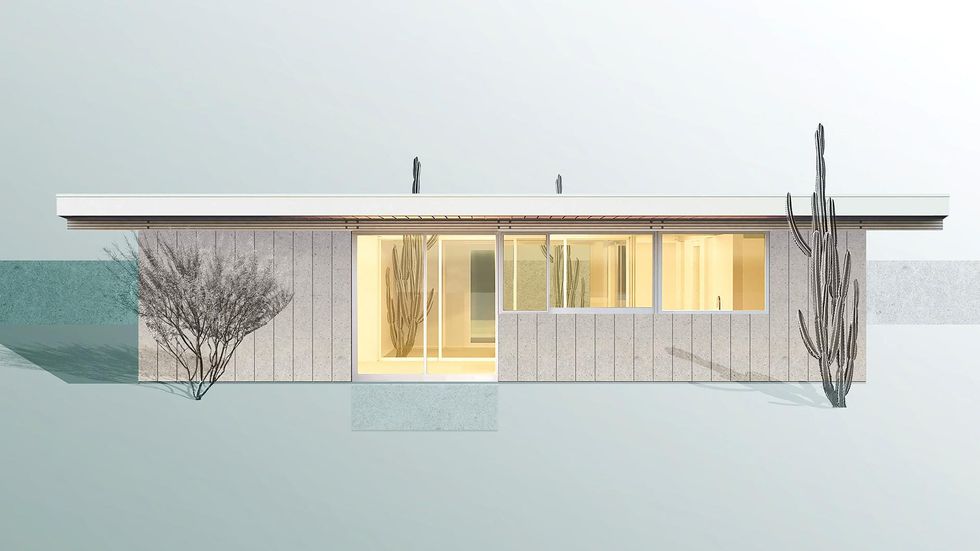
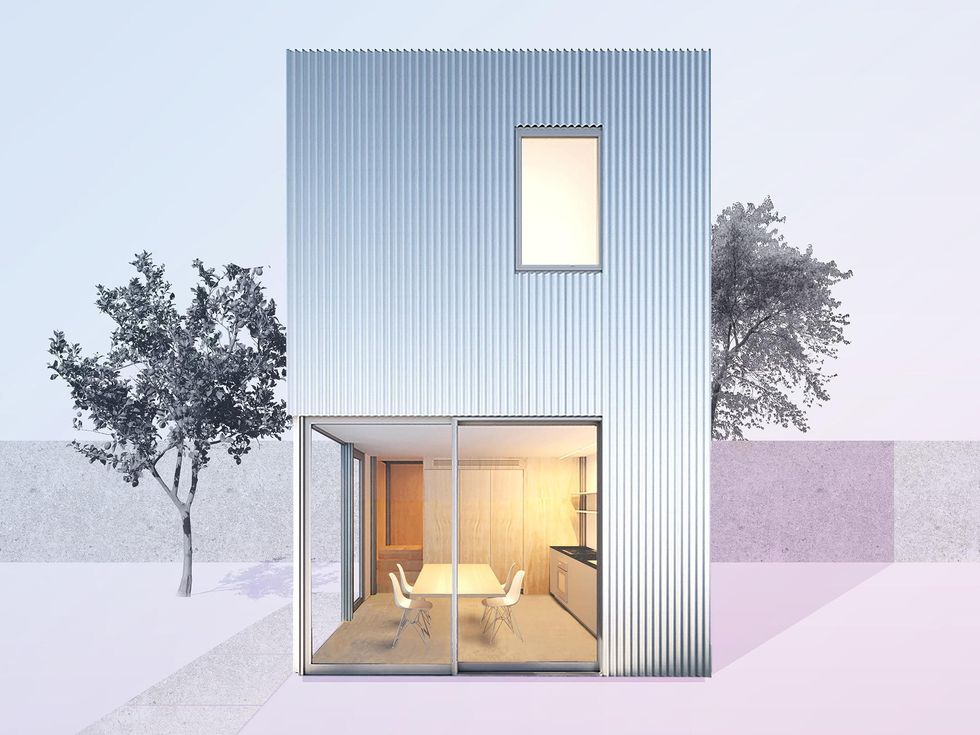
The design team behind "IT House" is Los Angeles-based studio Taalman Architecture. Over the past 15 years, IT House has built more than 20 homes throughout California and the U.S.
The IT House ADU standard plans include the tower, bar, box, cube, pod and court.
The city has approved four options, including:
- A two-story including mechanical room, 660 square feet
- A two-story including mechanical room, 430 square feet
- A one-story studio, 200 square feet
- A one-story including mechanical room, 700 square feet
The firm also has another two projects pending approval: a 360-square-foot one-story studio and a one-story, three-bedroom at 1,149 square feet.


LA Más
LA Más is a nonprofit based in Northeast Los Angeles that designs and builds initiatives promoting neighborhood resilience and elevating the agency of working-class communities of color. Homeowners who are considering their design must commit to renting to Section 8 tenants.
The city has approved two of LA Más' designs: a one-story, one-bedroom, 528 square feet unit and a one-story, two-bedroom, 768 square feet unit. The firm has another design for a one-story studio pending approval. That design would be the first 3D-printed ADU design in the city's program.


Jennifer Bonner/MALL

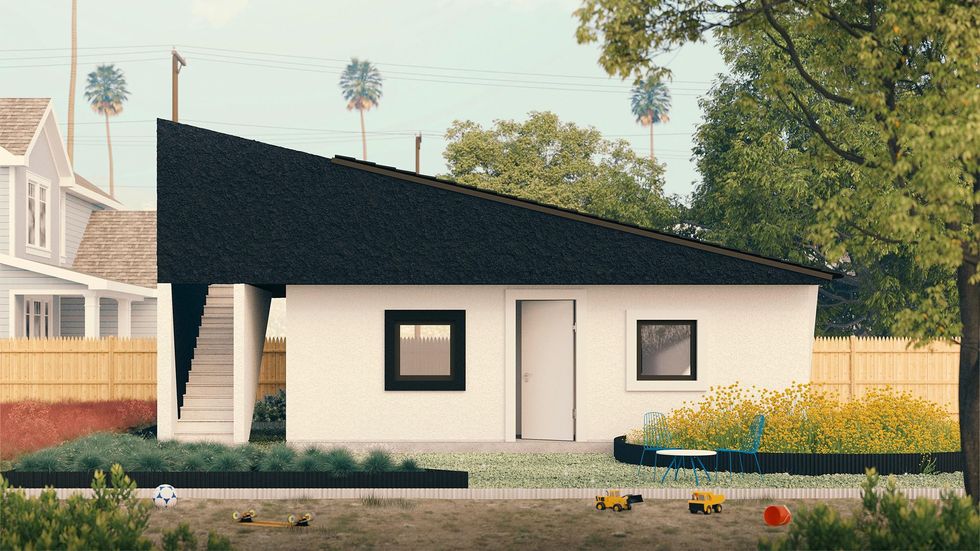
Massachusetts-based Jennifer Bonner/MALL designed a "Lean-to ADU" project, reinterpreting the stucco box and exaggerated false front, both Los Angeles architectural mainstays.
The design has been approved for a 525-square-foot one-story, one-bedroom unit with a 125-square-foot roof deck.
sekou cooke STUDIO
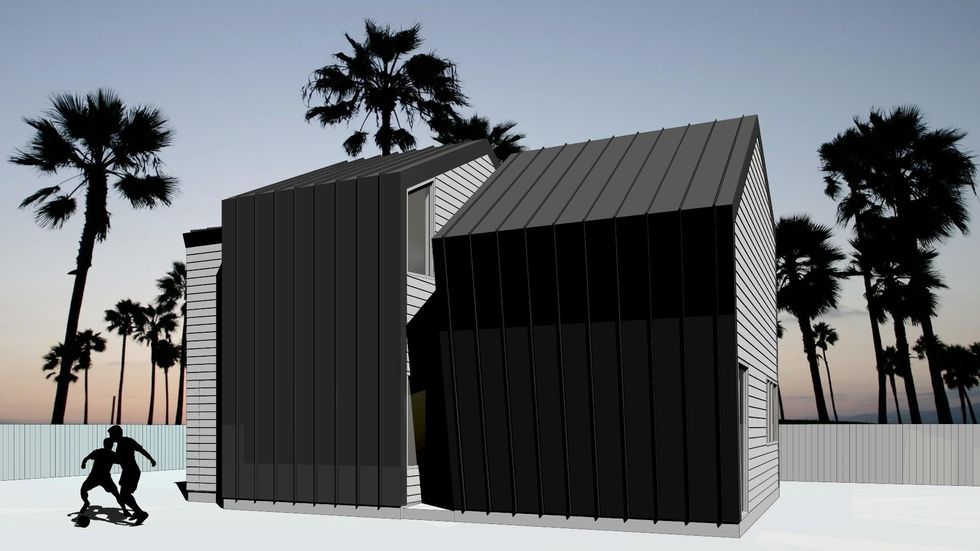
New York-based sekou cooke STUDIO is the sole Black-owned architectural firm on the project.
"The twisted forms of this ADU recalls the spin and scratch of a DJ's records" from the early 90s, the firm said.
Its design, still pending approval, is for a 1,200-square-foot, two bedroom and two bathroom can be adapted to a smaller one-bedroom unit or to include an additional half bath.
SO-IL
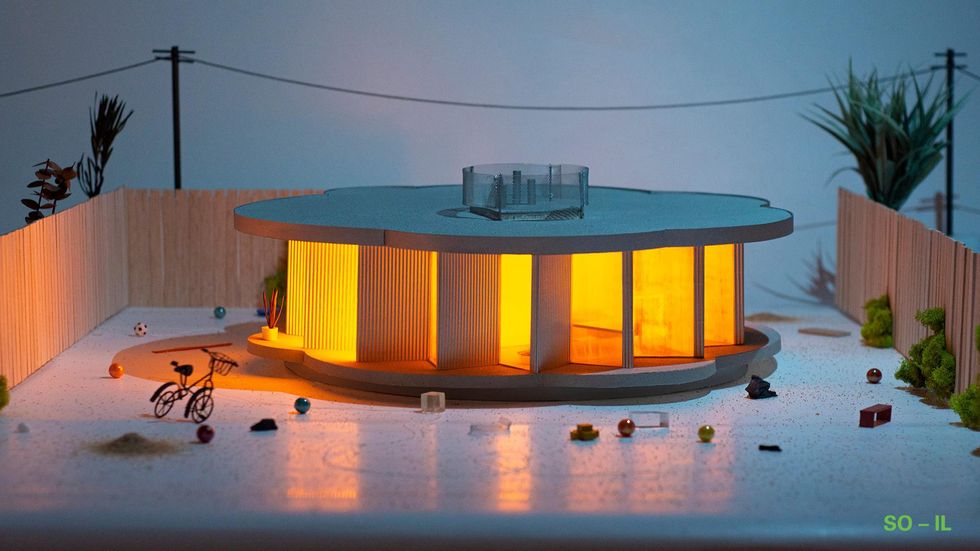
New York-based SO-IL was founded in 2008. It has completed projects in Leon, Seoul, Lisbon and Brooklyn.
Its one-story, one-bedroom 693-square-foot unit is pending approval. It is estimated the construction cost will be between $200,000 and $250,000.
WELCOME PROJECTS
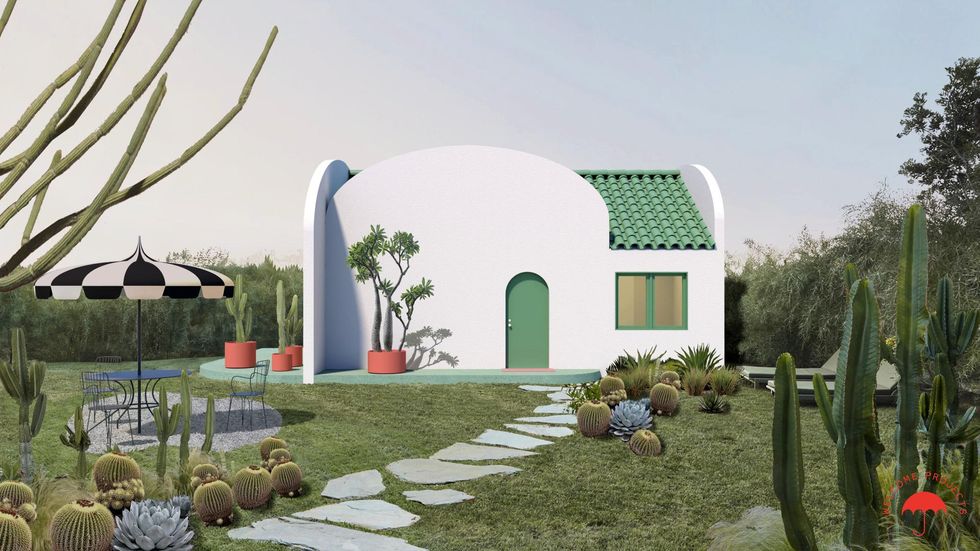
Los Angeles-based Welcome Projects has worked on projects ranging from buildings, houses and interiors to handbags, games and toys.
Its ADU is nicknamed The Breadbox "for its curved topped walls and slight resemblance to that vintage counter accessory."
It has been approved for a one-story, one-bedroom 560-square-foot unit.
wHY Architecture
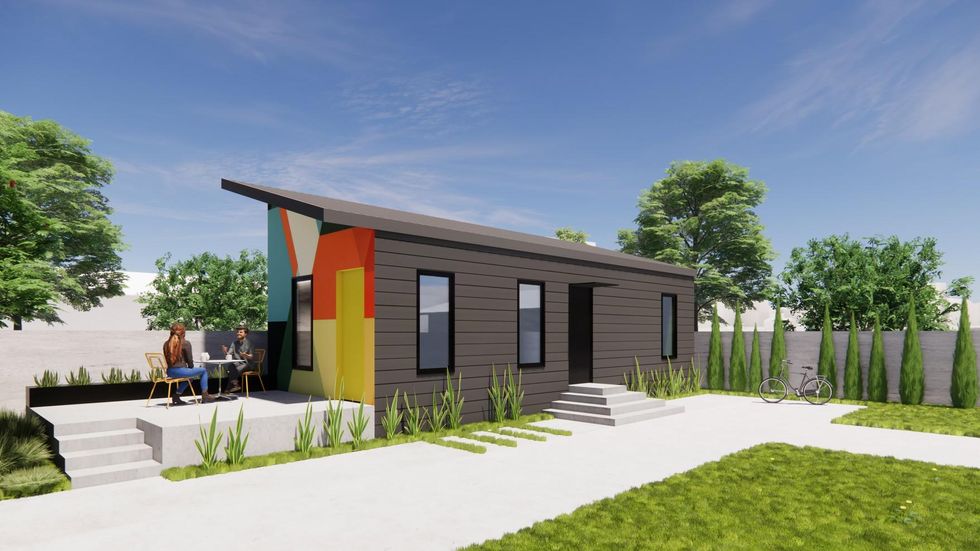
Founded in 2004, wHY is based in Los Angeles and New York City. It has taken on a landmark affordable housing and historic renovation initiative in Watts.
Its one-story, one- or two-bedroom 480 to 800-square-foot unit is pending approval.


Firms that want to participate in the program can learn more here . Angelenos interested in building a standard ADU plan can learn more the approved projects here.
From Your Site Articles
- United Dwelling Raises $10M to Address the Housing Shortage ... ›
- Plant Prefab Raises An Additional $30 Million - dot.LA ›
- How 3D Printing Could Help Tackle Homelessness in LA - dot.LA ›
- New Bills, New Startups Address Housing in California - dot.LA ›
- LA's ADU Culture Still Faces Financial Barriers - dot.LA ›
- What Will Take To Make Modular Homes Mainstream? - dot.LA ›
Related Articles Around the Web

Sarah Favot
Favot is an award-winning journalist and adjunct instructor at USC's Annenberg School for Communication and Journalism. She previously was an investigative and data reporter at national education news site The 74 and local news site LA School Report. She's also worked at the Los Angeles Daily News. She was a Livingston Award finalist in 2011 and holds a Master's degree in journalism from Boston University and BA from the University of Windsor in Ontario, Canada.
Inside Tinder’s Biggest Product Shift in Years
08:55 AM | March 13, 2026
🔦 Spotlight
Hello Los Angeles,
Despite headlines about swipe fatigue and dating app burnout, Tinder believes the problem isn’t that people are tired of dating. They’re tired of bad dating experiences.
So it felt fitting that Tinder chose the El Rey Theatre in Los Angeles, a venue known for reinvention, to make its case that the category is far from over.
Walking into the El Rey, it was clear Tinder wanted this to feel less like a tech launch and more like a cultural moment. Music was bumping, the room buzzed with chatter and excited energy, red light beams cut through the room, and chandeliers glowed overhead.
At Tinder Sparks 2026: Start Something New, Match Group and Tinder CEO Spencer Rascoff took the stage to outline what the company calls the biggest evolution of the app in years. Tinder remains the largest dating app in the world, used by tens of millions of people across more than 185 countries and responsible for billions of matches every year.

Rascoff framed the shift around a broader cultural reality. In a world where people increasingly interact with machines, technology and AI, the need for real human connection has not gone away. If anything, Tinder believes it has only grown stronger.
To respond to that shift, Tinder says it’s focusing on what it calls “sparks,” the moments when a match actually turns into a real conversation.
As Rascoff put it on stage:
“We are not optimizing for swipes or likes. We are optimizing for sparks.”
That philosophy is shaping a wave of new features discussed throughout the keynote by Tinder’s leadership team, including Mark Kantor, SVP and Head of Product, Yoel Roth, SVP of Trust & Safety, and product leaders Claire Watanabe and Hillary Paine.

Among the updates are Music Mode, which lets users connect through shared songs and artists, and a new Astrology Mode that highlights compatibility between zodiac signs. Tinder is also leaning further into social dating with Double Date, a feature that lets friends match with other pairs together. The feature is already gaining traction with Gen Z users, reflecting a broader shift toward more social and lower-pressure ways to meet people.

Tinder is also redesigning profiles to help users express more personality. New tools can surface stronger photos from a user’s camera roll, improve lighting, and highlight interests more visually, while integrations with platforms like Spotify, Duolingo and the restaurant app Belly bring more of a person’s real life into their profile.

But the most interesting experiment might be happening right here in LA. Tinder is launching IRL Events in the city, letting users browse and RSVP to real-world meetups directly through the app. Think coffee shop raves, trivia nights and pickleball tournaments. The idea is simple. Dating works better when it feels like a social activity instead of an interview.

Under the hood, Tinder is also leaning more heavily on AI to improve recommendations. New tools like Learning Mode and Chemistry aim to better understand what users are actually looking for and surface stronger matches faster. At the same time, the company is investing heavily in safety, expanding Face Check, a facial verification system designed to reduce bots and impersonation accounts.
Closing out the presentation, Melissa Hobley, Tinder’s Chief Marketing Officer, zoomed out from the product roadmap to the brand’s cultural footprint, noting that Tinder is mentioned in billions of TikTok videos and has become shorthand for how younger generations talk about dating.
Taken together, the updates represent Tinder’s most significant evolution in years. And judging by the energy inside the El Rey this week, the company believes the next chapter of dating will be more social, more expressive and more intentional. It’s a shift being shaped right here in Los Angeles, and one that could redefine how the next generation meets.
Now onto this week’s LA venture deals, fund announcements and acquisitions.
🤝 Venture Deals
LA Companies
- Hurray’s GIRL BEER raised a $5M seed round led by Lakehouse Ventures, with participation from Spice Capital plus CPG insiders and entertainment executives, as it accelerates national expansion. The LA-based flavored light beer brand says it has already landed retail placements at Walmart, Kroger, Albertsons, and Whole Foods, and plans to use the new capital to deepen distribution, enter new markets, and ramp up marketing, alongside a rollout of seven new flavors. - learn more
- Freestyle closed a $10M Series A led by Silas Capital, with significant participation from ECP Growth. The company also noted continued backing from existing investors including Mucker Capital, Adapt Ventures, and Superangel, as it scales its premium diapers and wipes business following nationwide launches at Walmart and Target. - learn more
- MAX BioPharma announced a new investment and partnership with Technomark Life Sciences to advance Oxy210, its oxysterol-based, orally available drug candidate for MASH. Technomark is joining as a strategic lead investor by participating in MAX BioPharma’s $13M Series A to fund a Phase 1a/1b first-in-human study, and the companies say the collaboration will pair MAX’s therapeutic platform with Technomark’s drug development experience. - learn more
LA Venture Funds
- B Capital participated in ORO Labs’ $100M Series C, which was led by Brighton Park Capital and Growth Equity at Goldman Sachs Alternatives, as the company pushes deeper into what it calls agentic procurement orchestration. ORO said the new funding follows 300% revenue growth over the past year and will be used to speed up product development, expand go-to-market and customer teams globally, and broaden enterprise use cases across procurement, finance, legal, and supply chain workflows. - learn more
- Aliment Capital participated in Tropic’s oversubscribed $105M Series C, which was co-led by Forbion’s Bioeconomy Fund and Corteva as the company scales the commercial rollout of its gene-edited tropical crops. Tropic said the funding will help expand production of its banana portfolio, accelerate its banana and rice pipelines, and support entry into additional climate-resilient crops, following the 2025 launch of its first new banana varieties in more than 75 years and demand that is already outpacing supply. - learn more
- B Capital doubled down in Axiom’s $200M Series A, which valued the company at more than $1.6 billion and was led by Menlo Ventures. Axiom said the new funding will help it extend its lead from formal mathematics into what it calls “Verified AI,” with plans to apply its technology beyond mathematical discovery into software and hardware verification. - learn more
- WndrCo participated in Quince’s $500M Series E, a round led by ICONIQ that values the manufacturer-to-consumer retail platform at $10.1B post-money. Quince says it will use the fresh capital to accelerate growth and global expansion of its proprietary M2C operating system, which uses AI-driven demand forecasting and direct factory partnerships to cut traditional retail markups. Other investors in the round included Basis Set Ventures, Wellington Management, MarcyPen Capital Partners, Baillie Gifford, Notable Capital, and DST Global. - learn more
- Matter Venture Partners co-led Eridu’s oversubscribed Series A, part of $200M+ raised as the AI networking startup emerges from stealth to tackle what it calls the “network wall” bottleneck in AI data centers. - learn more
- Matter Venture Partners participated in Rhoda AI’s $450M Series A, backing the startup as it comes out of 18 months in stealth with FutureVision, a video-predictive control platform aimed at helping robots operate reliably in messy, real-world industrial environments. The round included a large syndicate of investors, including Capricorn Investment Group, Khosla Ventures, Leitmotif, Mayfield, Premji Invest, Prelude Ventures, Temasek, Xora, and John Doerr, and the company says the funding will accelerate development and industrial deployments. - learn more
- Halogen Ventures participated in Rasa Legal’s $5M late-seed round, backing the company’s push to scale its tech-enabled criminal record sealing and expungement service nationwide. The round was led by Rethink Education with participation from Social Finance and the Richard King Mellon Foundation, and Rasa says the funding will help it expand leadership, speed product development, and grow beyond its current footprint (Utah, Arizona, and Pennsylvania). - learn more
- Halogen Ventures participated in Nyad’s $1.3M oversubscribed pre-seed round, backing the Birmingham-based startup as it launches an AI decision-support tool for wastewater treatment operators. The round was led by Boost VC with participation from Draper Associates, Ollin Ventures, Apprentis, First Avenue Ventures, and strategic angel Troy Wallwork, and Nyad says it will use the funding to hire, grow customers, and keep building the product as retirements thin the wastewater workforce. - learn more
- MANTIS VC participated in Scanner’s $22M Series A, which was led by Sequoia Capital and also included CRV, as the company builds a high-speed security data layer for AI-driven threat investigation. Scanner said the funding comes as security teams at companies like Notion, Ramp, and BeyondTrust use its platform to search years of log data quickly and power agentic workflows that help hunt threats, triage alerts, and investigate incidents more efficiently. - learn more
- Chapter One participated in Zcash Open Development Lab’s $25M+ seed round, joining a syndicate that included Paradigm, a16z crypto, Winklevoss Capital, Coinbase Ventures, Cypherpunk Technologies, and Maelstrom. The new company, formed by former Electric Coin Company team members, said the funding will support continued development of privacy-focused infrastructure for the Zcash ecosystem, including its self-custodial wallet and broader shielded payments tooling. - learn more
- CIV participated in Isembard’s $50M Series A, which was led by Union Square Ventures and also included Tamarack Global, IQ Capital, and existing backer Notion Capital. Isembard said the new funding will help it open 25 AI-powered factories by the end of 2026, expand its engineering team, and enter Germany, France, and Ukraine as it scales software-driven component manufacturing for aerospace and defense customers. - learn more
- WndrCo participated in Crafting’s $5.5M seed round, which was led by Mischief as the startup launched general availability for Crafting for Agents. The company said the new capital will support its push to become core infrastructure for AI-driven engineering teams, giving agents secure access to production-like environments so they can validate, test, and ship code inside complex enterprise systems used by customers including Brex, Faire, and Webflow. - learn more
LA Exits
- Hireguide has been acquired by HireVue, which is buying Hireguide’s underlying technology and bringing the Hireguide team into HireVue’s product org. HireVue says the deal accelerates its agentic AI roadmap, starting with a voice-based AI interviewer designed to help employers qualify candidates earlier and run smarter, more conversational hiring workflows. - learn more
- Ultracor has been acquired by Applied Aerospace & Defense, bringing the California-based maker of specialized honeycomb core materials into Applied’s advanced composites platform. Applied says the deal supports its selective vertical integration strategy by strengthening supply chain control and boosting speed and capacity for space and defense programs, from satellites and missiles to antennas, radomes, and next-gen aircraft. - learn more
Read moreShow less
Inside SoLa and Riot Games’ State-of-the-Art Center in South LA's 'Tech Desert'
06:00 AM | September 07, 2022
Image courtesy of SoLa Impact
It’s a blisteringly hot afternoon as high school students stream out of the Diego Rivera Learning Complex in South Central Los Angeles. What these teens don’t yet know is that a brief walk down the alley behind their bus stops at Central and 60th, there’s an oasis of air conditioning and state of the art gaming equipment waiting for them – SoLa Impact’s Tech and Entrepreneurship Center, sponsored by Riot Games.
The minute the gates on E. 61st street open, it’s easy to forget the clutter and chaos of South Central’s industrial alleys as the clatter of nearby recycling shops fades. But it’s not always this quiet at the Beehive, according to SoLa’s chief impact officer Sherri Francois and director of partnerships Daniel Rosove.
The facility had its grand opening Aug. 11, welcoming in 200 people to explore the campus and learn about SoLa Impact’s various programs, which are run through its nonprofit I CAN Foundation. The next round of programs begins Sept. 11, 2022. There’s a one-time annual $25 membership fee, which includes unlimited access to the Tech Center and its gaming lab. The I CAN Foundation also offers scholarships, and recently helped send 25 students to college this fall.
SoLa’s mission is to bridge the digital divide between the greater L.A. tech economy and its minority population. Its mantra, Francois said, is “if you can see it, you can be it.” Those words are in several places in the Tech Center to remind the students (ages 8-18) who come through the doors of their potential, including a mural and desktop wallpapers in the center’s sparkling new computer lab.
“South L.A. is a tech desert,” Francois told dot.LA. “Less than half our service population have computers in their homes, [and] the majority of our local schools lack any type of technology programming, or tech enrichment… the access to technology training is dismal.”
Riot Games recently stepped up and donated $2 million to help launch the center. Its co-founder and president Marc Merrill also donated funds. Other local sponsors include Snap Inc., which also ran a Snap Summit to teach students about mixed-reality, the L.A. Kings, the L.A. Rams, LiveNation and its CEO Michael Rapino. Additional donors include Oprah Winfrey, NWA’s Arabian Prince, and mayor Eric Garcetti’s Angeleno Connectivity Trust.
“What drew us to SoLa was this was a neighborhood for the kid to kind of come in and see what is possible,” Riot Games’ director of social impact Jeffrey Burrell told dot.LA.
A minimum of 1,000 students are expected to come through the Tech Center’s doors in its first year.
"SoLa has been one of the most impactful programs I have ever been a part of," J.J. Flores, a 2021 SoLa scholarship recipient and current environmental studies major at USC, told dot.LA via email. "SoLa provides me with yearly care packages, they made a mini-doc to feature my story, and they provide me with an incredible network of people that truly believe in my potential and want to see me succeed."
Flores added, "seeing the entire program evolve into a bigger and better thing by the day... with its new tech and entrepreneurship center, a space for community events... is such an inspirational thing because it shows me that they're doing all this because they truly see the potential that South LA students like me have."
Here’s a look inside the Tech Center—though Francois and Rosove both encouraged people to drop by and see for themselves. “Outside of Riot and Snap, we haven’t been able to tap into the L.A. tech industry,” Francois said. “One of our goals is to establish better partnerships,” she said, adding that most CEO’s haven’t yet come to visit, but she’d welcome a drop-in.

First Impressions
Don’t mistake the icon for the London Underground logo–Francois and Rosove told me SoLa’s symbology was inspired by a Google Map pin. SoLa’s I CAN nonprofit is part of a larger umbrella of community initiatives including SoLa Impact, which manages 1,500 apartments for low-income residents, and it was the first to utilize the pin logo, Francois said.
Francois’s brick-lined office is nestled into the right corner when you enter, and on the left there’s some administrative offices. Behind the reception desk is a glitzy wall with glass plaques acknowledging the center’s donors. What really catches anyone’s eye is the neon sign above the check-in desk, proudly proclaiming “powered by Riot Games.”
“Absolutely none of this would be possible without Riot,” Francois said.
Computer Lab and 3D Printers
The computer lab is impressive, with brand-new Macs that would be at home at a visual arts college. Of course, there’s brand-new fiber optic internet, which Rosove said had to be installed from scratch, since the building – and most of South Central L.A. – isn’t wired for high-speed internet. “Most of the internet access is through phones for these folks,” he noted.
An anonymous donor recently contributed 10 3D printers, which will be used in a CAD design program to teach students how to create their own models. On a lab shelf – interspersed with Riot Games memorabilia from its hit “League of Legends” title – Rosove pointed out a couple of freshly printed Easter Island heads ( Moai) made recently by students, giving a big thumbs-up.
Emblazoned in bold colors on the wall dividing the computer lab from the kitchen area is Francois’s mantra, “if you can see it, you can be it.” Heading towards the gaming lab and jam room, there are two walls filled with plaques celebrating SoLa’s 124 scholarship recipients and a tantalizing row of four classic arcade games.
Across from the lab there’s a room for students complete with a green screen and closet retrofitted to be a podcast studio, basically the video production hub. As Francois got her start as a producer for CNN, NBC News and HGTV, it was important for her to have a media room for other people to learn the trade and create a portfolio. “That’s quite a core part of Sherri’s vision of folks have to be really building a personal portfolio as part of their time here,” Rosove said.

LiveNation Jam Room
A paradise for music lovers, LiveNation’s donation to SoLa helped fund its music room, which is complete with a sound board and everything needed to hold an open mic night or create a full band, including a drum kit where Rosove admitted he occasionally blows off steam during the workday.
There are tributes to the greats of West Coast hip-hop scattered around the room, including a framed copy of “The Chronic.” Across the hall there is a brand-new mixing studio funded in part by 1500 Sound Academy and N.W.A.’s Arabian Prince, who wanted SoLa to pass on production and DJ skills to a new generation.
LiveNation collaborated with SoLa on a program where students taking a 10-week course worked with its pros to put on its first local youth-led music festival, which was held on Aug. 12 with 15 live acts.
“It's set this great benchmark for what this program could be and what's really great is five of the students are moving on to internships at Live Nation,” Rosove said.
Virtual Reality and Gaming Lounge
If most students using SoLa’s facilities are accustomed to using their phones to access the internet and game, they’ll be blown away by the tech here. Towards the back of the center there are four gaming chairs and a brand new PS5 and Xbox Series S waiting to be used by eager teens.
Across the way, there are a dozen Oculus headsets in an open space for kids to flail around and experiment in VR. “We piloted an educational software put together through Meta around virtual world building in the spring but didn't quite hit,” Rosove said, noting they’re still working out the kinks.
The Grand Finale
The darkened, LED-lit cavern in the very back of SoLa’s facility is the real draw. It’s the Riot Games esports center, a scaled-down version of the company’s flagship West L.A. gaming arena.
Soon, it’ll be the home base for SoLa’s student esports team, which will compete in Riot Games titles like “Valorant.”
Part arena, part gaming café, this place is all awesome. In the back there’s a DJ booth and professional-grade voiceover booth nicknamed the SoLa Streaming Studio for students to practice “shoutcasting,” or calling an esports match, and tons of TVs to broadcast the action live. Right before the entrance to the green room is a wall of gaming history collected by Francois, including some consoles younger students might never have seen before (feel old yet, Sega Genesis?).
“I guarantee you, coming out of this Tech Center, at some point, you will see the first World Championships right out of South Central,” Francois said about the esports teams. She joked the gaming content is “the chocolate on the broccoli,” the glitzy fun part that gets kids in the door and then inspires them to learn other skills in the gaming world.
Riot’s branding is all over the esports arena, which could also double as an event space – Francois said SoLa’s eager to work with companies for private events to help keep the lights on.
“I will not forget this, we opened the doors [in January] and the first two kids were middle school students – they turned to each other and one, he said, ‘oh my god, is this for us?’ And the answer is hell yeah, it’s for you,” Rosove said.
Editor's note: This story has been updated with additional comment from a SoLa scholarship recipient.
From Your Site Articles
- Riot Games' Approach to Gaming's Workplace Reckoning - dot.LA ›
- Riot Games Give South LA Students Access to Tech Education - dot ... ›
- Riot Games' Hackers Invade 'League of Legends' - dot.LA ›
Related Articles Around the Web

Read moreShow less
Samson Amore
Samson Amore is a reporter for dot.LA. He holds a degree in journalism from Emerson College. Send tips or pitches to samsonamore@dot.la and find him on Twitter @Samsonamore.
https://twitter.com/samsonamore
samsonamore@dot.la
RELATEDTRENDING
LA TECH JOBS