


This App Hopes to Give Homeless Outreach Workers Real-Time Data While They're on the Street

Eric Zassenhaus
Eric Zassenhaus is dot.LA's managing editor for platforms and audience. He works to put dot.LA stories in front of the broadest audience in the best possible way. Prior to joining dot.LA, he served as an editorial and product lead at Pacific Standard magazine and at NPR affiliate KPCC in Los Angeles. He has also worked as a news producer, editor and art director. Follow him on Twitter for random thoughts on publishing and L.A. culture.
This App Hopes to Give Homeless Outreach Workers Real-Time Data While They're on the Street
Photo by Nathan Dumlao on Unsplash

Los Angeles invests hundreds of millions each year to alleviate homelessness, but the networks that underlie those efforts are often held together by legal pads and spreadsheets.

It took a person who's suffered through the system to try to update it, so that the homeless and their advocates can get what they need, when they need it.


Anthony Greco is one of the few people who can say he's been on most sides of the issue. He's lived on the streets, dealt with homeless family members and friends, he's worked in the shelters and counseled people dealing with substance abuse.

"I've literally been on every side of this problem in one way or another," Greco says. "I've been trying to get people into treatment in some way or another since I was seven years old."

The Get Help platform is a result of his lifetime of experience with substance abuse and homelessness. And it's been so effective that Los Angeles took it from beta to a basic tool in the city's plan to deal with one of its largest emergencies: Getting homeless people off the street during the COVID-19 pandemic.
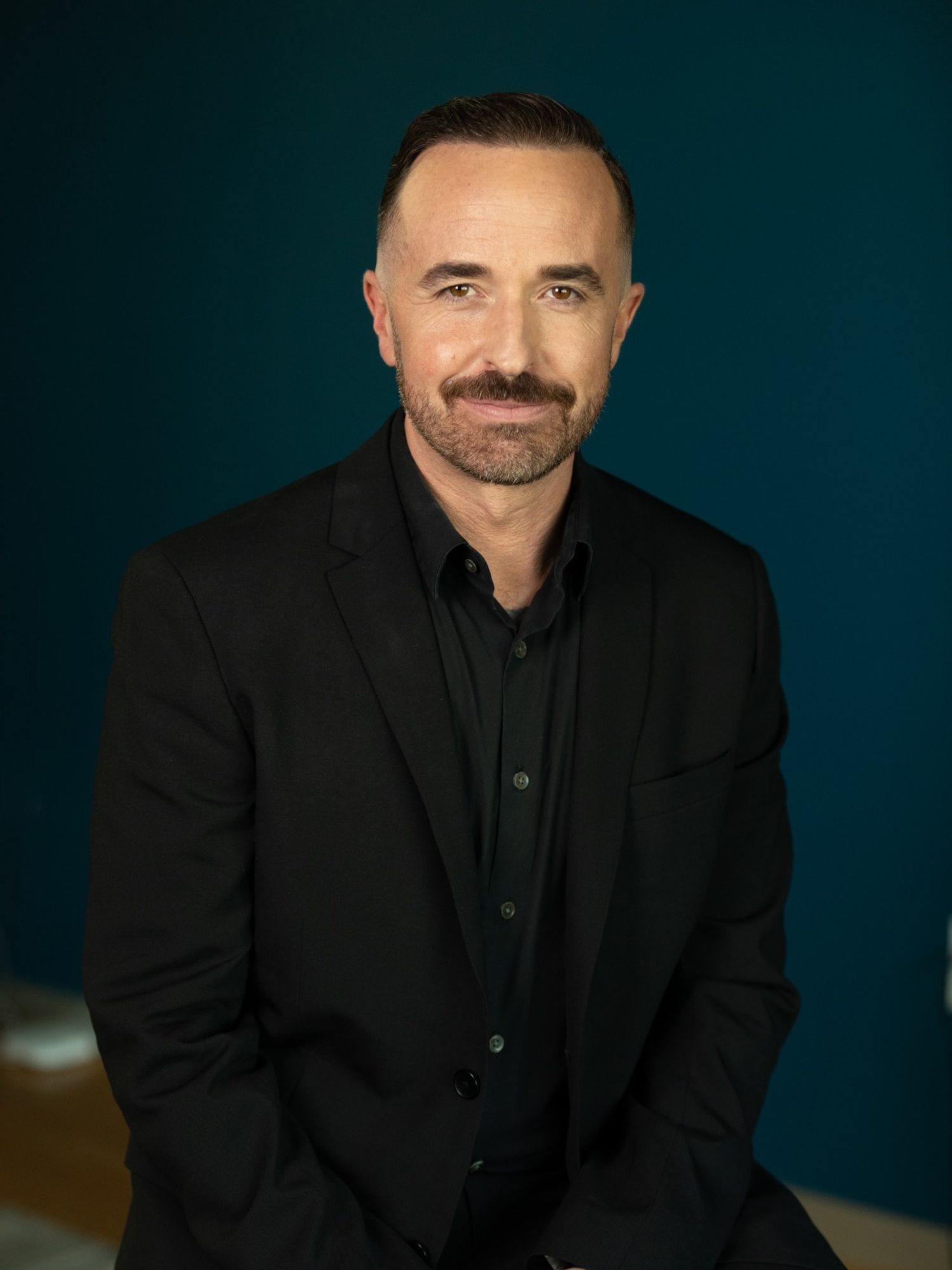
Anthony Greco is the founder of the Get Help app.

A Lifetime Getting People Help 

Greco grew up bouncing from house to house while his mother sought help at substance abuse clinics.

"When I was 15 years old, one day I came home from school and my mom and her boyfriend and that family had moved away out of town," Greco says, "and the house was empty except for all the stuff in my room."

That led him into his own struggle first with homelessness, then with substance abuse and finally into recovery and toward helping people in the same circumstances he'd once found himself in. Ultimately, he got his PhD in clinical psychology and worked with patients with substance abuse issues.

But at every step in his career, Greco found himself trying to solve the same problem: How do you match a person to the services they need at the moment they're willing to ask for help? Having real-time information is key, he says.
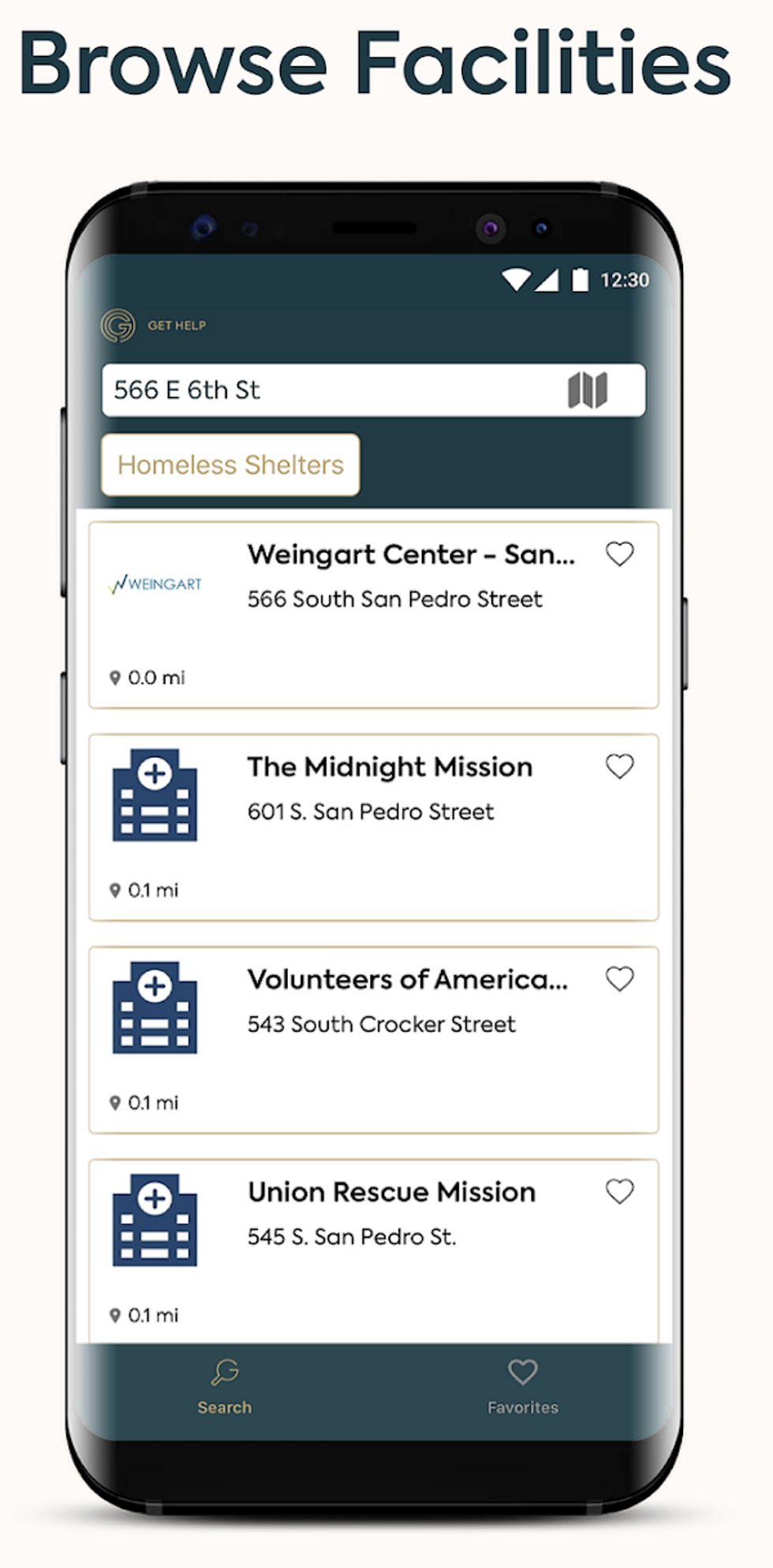
"There's a point when someone says that they want to get help," he says. "It's a simultaneous feeling of excitement and absolute dread at the same time, because on one hand, you're so excited that they want to get help and they want to go somewhere and then on the other hand the next thought is where am I going to go? Where am I going to call with how am I going to find an available bed? And it's a nightmare."

Once someone is willing to get help, the next question is where, and how? Greco describes calling rehab and shelter facilities as a child, as a homeless man and as a clinical psychologist to find a client or friend a bed, only to find that facilities were full or not accepting new residents, or that no one at the center seemed to have an idea of whether they had a place to stay.

Later, he encountered the same problem from the other end of the phone line when he was working at those same facilities.

"I remember getting calls, late at night," Greco says. "It was a mom on the other end of the phone wanting to know whether I have space for their son or daughter. And I didn't even know what our census was."

Had he known the headcount, he would have known how many available beds there were.


If Getting Shelter Were As Easy As Ordering an Uber

The idea for the app came when Greco, now a psychologist, found himself unable to get the same basic information he was seeking as a kid.

"I realized that it was just as difficult for a licensed clinical psychologist to get someone into treatment as it was for a seven year old."

Greco had pictured a simple app that would match the world of homeless needs to the world of resources available to them.

"I said, you know, there has to be an app for that," he says. "You can order a pizza at four o'clock in the morning, or a cheeseburger from Sonic and have it delivered from Pomona, but there's no tool to be able to find a bed for my friend."

Greco quickly realized that if he wanted to be able to offer immediate help, he needed more than a list of numbers; he needed accurate real-time data. Who had open beds right now, tailored to specific needs of individuals — with substance abuse problems, with mental health problems, with kids, with domestic abuse trauma, with medical needs?

He had a vision for the app, but he didn't have a background in tech or business. Luckily, as he searched for funding for the idea, he came across Michael Root, one of the early engineering pioneers at Riot Games, who quickly volunteered to be Get Help's CTO. The company registered as a public benefit corporation in 2019.

"I had no idea what I was getting into," Greco says.

Solving Problems for Homeless People
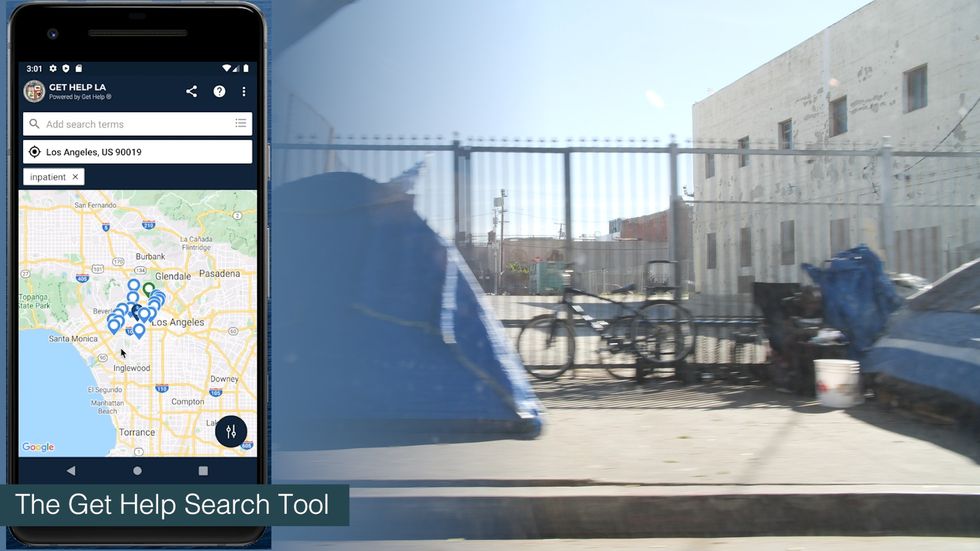
Greco says it usually takes between 6 and 7 approaches (sometimes more) before someone who's experiencing homelessness will accept help — and often the kind of help people on the street are looking for isn't what street teams have to offer.

"The first service that they often will accept isn't a bed," says Greco, "but they'll accept a place where they can go get a meal."

Greco says it's critical to seize those moments, where a person is willing to ask for some kind of help, if only to build trust.

"It's about meeting the person where they're at," Greco says. "And that's what I do as a therapist."

In other words, he says focus on building trust, and provide people what they need, rather than what you think they need. Not everyone is looking for a shelter bed.

"That's where I operate from and where Get Help operates from," he says.

The app tries to reflect this by listing a range of services both big and small from shelter and sober living beds to food pantries, showers, laundry, storage facilities and health care services. All those services are what social workers call a continuum of care that will eventually lead to stability, he says.

Solving the Problem for Shelters
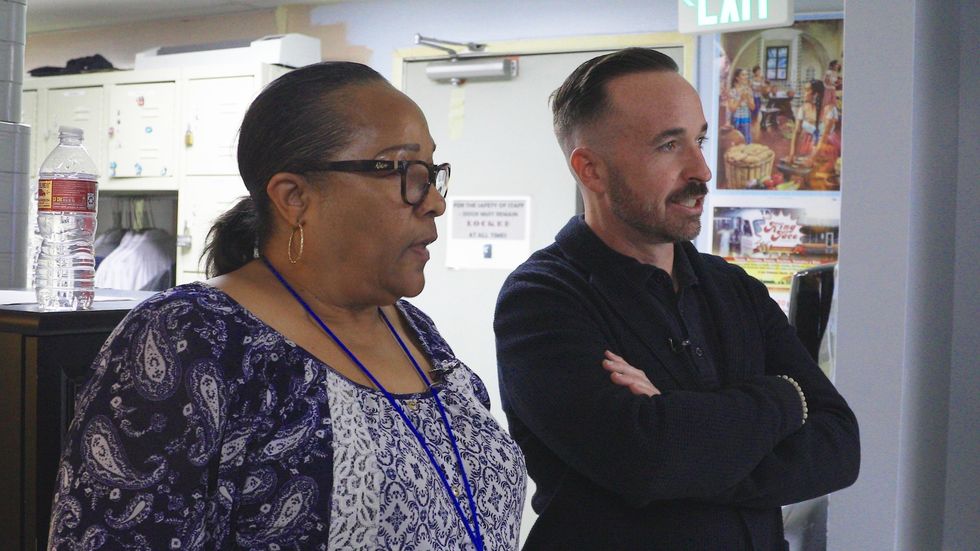
Greco at the Weingart Center in Los Angeles' Skid Row.

On the other end of the spectrum, Greco realized that if he wanted to be able to solve family members' 4 a.m. emergencies, he'd have to work with the shelters to get the data that would be crucial to getting their loved ones fast help.

What he quickly found was that many of these shelters and sober living facilities were using outdated tools to keep track of who was in their facility.

"They were still managing their inventory — and still are — is literally using yellow pads, sometimes whiteboards, Excel documents and email exchanges."

They reached out to the Weingart Center, one of the first shelters in Skid Row that specializes in providing emergency housing for people with mental illness. By the estimate of its current CEO, the company houses about 600 people nightly, and provides counseling, employment and other other services to thousands more. All of that requires an incredible amount of record keeping.

"In order to really run an operation," says Weingart's CEO, Kevin Murray, "you've got to do intake, you've got to assign room, you've got to assign food cards."

In addition, you have to make sure you're collecting the information that health insurers and the federal government require, as well as making sure you're tracking the basic needs — linen and toothbrushes, for example — of the people you're serving.

"Almost every provider is inputting this practice information in, you know, at least two, maybe multiple systems."

Greco's team met with Weingart to develop a data management system that could help them track that information.

"They actually sat down with our people at all levels to find out what they needed, and what would be helpful to them," Murray says. "We both sort of opened up to each other about what we wanted to do. And so we were participants in developing the system."

The result, Greco says, saved Weingart time and money by cutting down the number of steps that shelter staff had to take to do intake and reducing the number of data entry mistakes they made.

"Those errors result in billing errors," and those billing errors and mistakes can result in a place like The Weingart Center losing millions a year in funding opportunities.

It also made the information on how many beds the center had at any given time easily accessible, so that Get Help's app could make them available to service providers on the streets looking to get people housed.

"it's certainly, you know, added a lot of simplicity in our lives," Murray says.

From Pilot Test to a Citywide Crisis

An estimated 82,955 people fell into homelessness during 2019 in L.A County, and an estimated 52,689 people found the way out of homelessness in that time, according to the county's most recent data.Photo courtesy of Get Help

In late 2019, Get Help worked out a pilot program with a small faction of LAPD officers who patrol Skid Row and other areas to assist with routine clean ups of homeless encampments.

The officers in LAPD's Homeless Outreach and Proactive Engagement (HOPE) team downloaded the Get Help app and used it to direct the homeless folks they encountered to services in the area.

"The response was overwhelmingly positive," Greco says, adding that some officers reported it had changed the dynamic between some of their patrol and homeless in the area. Officers had real-time information they could offer to homeless folks, and their role went beyond enforcement to being able to offer assistance.

After six months, the plan was to expand the app's use in the city, when an even larger crisis hit.

"We had just got through a successful pilot with L.A. (city) and we're talking about expanding it, we were doing work on expanding to a different additional shelters, (and) we were starting conversations with L.A. County," Greco says, "And COVID-19 hit."

The city settled on an emergency plan to house vulnerable homeless people in recreation centers and other city facilities that had closed due to the pandemic.

Jimmy Kim oversees emergency operations for Los Angeles's recreation and parks department. He was tasked with creating the shelters, developing a system for keeping track of its inhabitants, and keeping them safe.

"The systems that we're using are so archaic," Kim says. "You know that saying, 'time is money', right?"

At first the city relied on regular manual headcounts, pen and paper and Google docs to keep a tally of those staying at its sites. It quickly found that process was inefficient.

"And so we came across (the app) in the mayor's office," says Kim. "They actually introduced us to the folks over at Get Help as part of a pilot program."

The app allowed them to streamline the process, and provided the mayor's office with real time information on the number and location of beds occupied.

"The quicker we could get them (registered), the quicker we could get people in," Kim says. "And then the less time they have to spend on doing registration, the more time they could spend on doing more important things."

The system proved a success, allowing Kim to keep track of registrations and discharges at the 24 shelters the agency oversaw, and allowing his staff of around 94 employees access to real-time data on who was where.

"I actually want to take that and use it for our normal shelters as well because it'll help us streamline that process and get real time usable data," Kim says. "You know, literally at the tip of your fingertips."

The department is now thinking about configuring the app to do contract tracing for shelter residents who come down with COVID-19, and it's thinking about expanding beyond the homeless emergency function, to other emergencies that require rapid sheltering — such as wildfires and earthquakes.

"Now, we're having those conversations," says Kim, "because I think it will help us streamline and get data a lot quicker… And if you have real-time data, you can make better decisions that way."

Meanwhile, Get Help is available to individuals, organizations and outreach workers in Apple's App Store and Google Play. His team is working with several large local shelters and sober living facilities and the county to expand the data available in Get Help's app that can be used by families, street teams and concerned residents looking for immediate help.

https://twitter.com/ezass
https://www.linkedin.com/in/zassenhaus/
eric@dot.la
The LA Startup Taking on One of Parenting’s Most Frustrating Problems

🔦 Spotlight

Hello Los Angeles,

Every parent knows the feeling of becoming an overnight expert in something they never wanted to learn.

For families navigating developmental delays, behavioral health needs, autism, speech therapy, occupational therapy or pediatric mental health support, that learning curve can become a full-time job. Finding the right specialist is hard enough. Getting those specialists, pediatricians, insurers and families to actually coordinate with each other? That’s often where the system breaks.

That’s the problem Los Angeles-based Village is trying to solve.

The specialty pediatrics startup raised $9.5 million in seed funding this week, led by Upfront Ventures, with participation from Bling Capital, GTMFund and Perceptive Ventures.

Its AI-powered platform is designed to bring families, providers, pediatricians and payers into one coordinated care system for children with developmental, behavioral and mental health needs.

The company was born out of co-founder Brandon Terry’s personal experience navigating care for his daughter after she was diagnosed with a rare genetic condition. Like many parents, his family faced long waitlists, high out-of-pocket costs and a fragmented web of specialists who were not necessarily working from the same playbook.

The pitch is not simply “find a provider faster.” Village wants to coordinate the entire team around a child, including occupational therapists, speech-language pathologists, behavioral therapists and pediatricians. Its AI agent, Vera, is designed to help with the administrative drag that often slows pediatric practices down: scheduling, documentation, billing and care coordination.

The company’s raise also points to a less flashy, but deeply consequential corner of health tech: making complex care easier to navigate. In specialty pediatrics, the pain point is not always the quality of care itself. It is the space between appointments, referrals, insurance approvals and provider communication where families are often left to connect the dots themselves.

So far, Village says it has built a network of more than 400 independent pediatric specialty providers in Southern California and has contracts with major commercial insurers including Blue Cross & Blue Shield, Cigna and UnitedHealthcare. The new funding will help the company expand across Southern California, into other parts of California and eventually into new states.

In other words, the next wave of healthcare infrastructure may not look like one giant hospital system. It may look more like a connected network built around the people who have been holding the system together all along: families.

And yes, in this case, it really does take a Village.

Venture deals follow below.👇


🤝 Venture Deals

    LA Companies

    • MOSH, the brain health nutrition brand co-founded by Maria Shriver and Patrick Schwarzenegger, raised a $13M Series A led by Main Street Advisors to expand nationally across grocery retailers and accelerate product innovation. The Los Angeles-based company plans to use the funding to grow its retail footprint, including an upcoming Target launch, while expanding its lineup of brain-focused nutrition products with new high-protein bars designed to support both cognitive and physical performance. - learn more
    • Spring Labs raised $5M to expand its AI-native compliance platform for banks and fintechs, with the funding led by BankTech Ventures and Haymaker Ventures. The Marina del Rey-based company is building AI agents that automate complaint handling, dispute resolution, and other compliance workflows, helping regulated financial institutions scale operations more efficiently while maintaining oversight and auditability. - learn more
    • FlowPrompt.ai secured a strategic seed investment from ART Fund SP, part of ChainBLX SPC, as the company expands its AI orchestration platform designed to help developers build and manage complex AI workflows through a visual interface. Alongside the investment, the companies also launched a global AI hackathon and builder program that will give selected founders access to funding opportunities, platform tools, and a live investor pitch event in Los Angeles later this summer. - learn more
    • Chance Studios raised $3.2M to build a unified platform for trading card game collectors, aiming to bring inventory management, marketplace activity, and community features into a single ecosystem. The round was co-led by Makers Fund and Hashed, with participation from Arbitrum Gaming Ventures, GAM3GIRL VC, and others, as the company looks to modernize how collectors buy, track, and interact around physical and digital TCG assets. - learn more

    LA Venture Funds
    • Rebel Fund participated in Moritz’s $9M seed round, backing the AI-native law firm as it looks to automate large portions of routine corporate legal work. The company combines software with experienced attorneys to speed up contract drafting and review, and says it has already handled more than $2 billion worth of contracts across over 100 companies since launching earlier this year. - learn more
    • Rebel Fund participated in Corvera’s $4.2M seed round, backing the AI-native supply chain platform as it automates back-office operations for consumer packaged goods brands. The Y Combinator-backed startup is building AI agents that can handle workflows like order processing, invoicing, and demand planning across fragmented enterprise systems, helping brands scale operations without significantly increasing headcount. - learn more
    • Chaac Ventures participated in Astrocade’s $5.6M funding round, backing the gaming startup as it builds a social gaming platform centered around community-created interactive experiences. The company is focused on blending gaming, streaming, and creator tools into a more collaborative entertainment platform, and plans to use the funding to expand development and grow its creator ecosystem. - learn more
    • Fusion VC participated in MSICS Pharma’s $3.6M funding round, backing the biotech company as it advances psilocybin-based treatments for PTSD, depression, and OCD. The company is developing medical-grade psychedelic compounds and plans to use the funding to expand production, accelerate clinical trials, and prepare for broader commercialization as interest in psychedelic therapies continues to grow. - learn more
    • JAM Fund participated in Fun’s $72M Series A, backing the payments infrastructure startup as it scales its platform for moving money across fintech and digital asset applications. The round was co-led by Multicoin Capital and SignalFire, and the company plans to use the funding to expand internationally, pursue acquisitions, and deepen its infrastructure stack as demand grows for faster global payment systems. - learn more

    LA Exits

    • Tapin2 was acquired by Greater Sum Ventures, joining MyVenue as part of GSV’s expanded point-of-sale technology platform for stadiums, arenas and live entertainment venues. Tapin2 provides self-service, suite catering and mobile ordering technology for high-volume sports and entertainment venues, while MyVenue offers cloud-native POS software across concessions, premium seating, retail, in-seat ordering and other venue operations. Together, the companies say their technology is used in more than 70% of MLB and NFL stadiums. Terms of the transaction were not disclosed. - learn more
    • Motiv Space Systems signed a definitive agreement to be acquired by Rocket Lab, bringing its space robotics, motion control systems and precision spacecraft mechanisms into Rocket Lab’s growing space systems business. Motiv’s technology has supported major missions including NASA’s Mars Perseverance rover and lunar rover programs, and the company will be rebranded as Rocket Lab Robotics after the deal closes, which is expected in the second quarter of 2026. - learn more
    • Robyn was acquired by Los Angeles-based Tot Squad, bringing its AI-powered doula tool into Tot Squad’s broader support platform for expecting and new moms. Robyn’s AI was trained on more than 70,000 de-identified messages between parents and doulas, and the acquisition will help Tot Squad offer free, around-the-clock pregnancy and early motherhood guidance alongside access to human experts like doulas, lactation consultants and sleep coaches. Terms of the deal were not disclosed. - learn more

      Download the dot.LA App

      Match Goes Niche With $100M Move

      🔦 Spotlight

      Hello Los Angeles,

      It’s May, and LA is about to have one of its more important weeks.

      The Milken Institute Global Conference 2026 returns to Beverly Hills next week, bringing together thousands of investors, operators, policymakers, and executives. It’s one of the few places where public markets, private capital, and tech actually overlap in the same rooms, and where you can usually get an early read on what capital is leaning into before it fully shows up in the data.

      This year, one theme is already starting to surface. Platforms are getting more specific, not more broad.

      This week’s news is a good example.

      Match Group is investing $100 million into Sniffies, a fast-growing, location-based platform built for gay, bi, trans, and queer men. It’s a notable move for a company best known for mainstream dating apps like Tinder and Hinge, and it signals a deeper push into more niche, community-driven platforms.

      Sniffies operates very differently from traditional dating apps. It’s more real-time, more map-based, and more focused on immediacy than long-term matching. In other words, it’s built around behavior, not profiles.

      And that’s what makes the investment interesting.

      For years, the dominant strategy in consumer platforms was scale, build one product that works for everyone. But what we’re seeing now is the opposite. The platforms that are gaining traction tend to be the ones that understand a specific audience deeply and build for how that group actually behaves.

      Match leaning into that shift isn’t just about expanding its portfolio. It’s a recognition that growth is coming from focus.

      And in a city like Los Angeles, that’s usually where things start.

      Below are this week’s venture deals and fund announcements across LA 👇


      🤝 Venture Deals

        LA Companies

        • Illuminant Surgical raised an $8.4M seed round to accelerate the rollout of its real-time anatomical projection platform, which aims to give surgeons enhanced visibility during procedures. The company’s “Skylight” system is designed to project internal imaging directly onto the patient, improving precision and reducing risk, and the funding will support product development and early commercialization efforts. - learn more
        • Jupid raised $840K in early funding to support its AI-native accounting platform, which is designed to automate bookkeeping, tax filing, and compliance for small businesses directly within banking platforms. The company is building what it describes as an embedded “AI accountant” that integrates with financial institutions to streamline operations for entrepreneurs, and plans to use the funding to expand partnerships and accelerate product development as demand grows for automated financial tools. - learn more
        • Lumicup raised a $4.38M Series A to expand its product line and scale manufacturing as it looks to meet growing demand for its consumer health and wellness products. The company plans to use the funding to increase production capacity, invest in new product development, and strengthen its distribution as it continues to grow its footprint in the market. - learn more
        • Counterpart raised a $50M Series C to expand its AI-driven “agentic insurance” platform, which helps small businesses manage growing legal and employment risks tied to AI adoption. The round was led by Valor Equity Partners with participation from existing investor Vy Capital, bringing the company’s total funding to $106M, and the capital will be used to launch new insurance products, expand risk management capabilities, and scale its underwriting platform. - learn more
        • Nervonik raised a $52.5M Series B to advance its next-generation peripheral nerve stimulation technology, which aims to deliver more precise, personalized treatment for chronic pain. The round was led by Amzak Health with participation from Elevage Medical Technologies, U.S. Venture Partners, Lumira Ventures, Foothill Ventures, and Shangbay Capital, and the company plans to use the funding to accelerate clinical programs and move toward commercialization. - learn more
        • LighthouseAI raised an $8M Series A to expand its AI-powered platform that helps pharmaceutical companies manage state licensing and regulatory compliance. The round was led by Boxcars Ventures with participation from TGVP and existing investors, and the company plans to use the funding to enhance product development, improve service delivery, and support continued growth as it scales across the pharma supply chain. - learn more

        LA Venture Funds
        • MANTIS Venture Capital participated in Rogo’s $75M Series C, backing the AI platform as it builds autonomous financial agents designed to streamline complex workflows for banks and investment firms. The round was led by Sequoia Capital and included a mix of major financial institutions and venture firms, signaling strong demand for AI tools that can augment decision-making across high-stakes finance. - learn more
        • M13 participated in Chord’s $7M funding round, backing the AI commerce platform as it builds a “context layer” designed to unify fragmented data, tools, and workflows for retail brands. The round was led by Equal Ventures with participation from Chingona Ventures and CEAS Investments, and the company aims to help operators move beyond dashboards toward systems that can make real-time decisions and automate actions across the business. - learn more
        • Fika Ventures participated in Lumian’s funding round, backing the startup as it launches an AI-native Amazon agency designed to automate and optimize how brands operate on the marketplace. The company is focused on replacing traditional agency workflows with AI-driven systems that can manage everything from advertising to operations in real time, reflecting a broader shift toward automation in e-commerce. - learn more
        • Riot Ventures co-led True Anomaly’s $650M Series D, backing the defense space startup as it scales spacecraft, software, and autonomous systems designed for national security missions in orbit. The round values the company at around $2.2 billion and brings total funding to over $1 billion since its 2022 founding, and the company plans to use the capital to accelerate mission deployments, expand manufacturing, and grow its workforce as demand increases for space-based defense capabilities. - learn more
        • Clocktower Technology Ventures participated in Clarasight’s $11.5M Series A, backing the AI-powered travel and expense platform as it works to unify fragmented enterprise data into a single system. The round was led by AlleyCorp with participation from several travel and fintech-focused investors, and the company plans to use the funding to expand product development and scale go-to-market efforts as demand grows for AI-driven efficiency in corporate travel. - learn more
        • Halogen Ventures and Mucker Capital participated in SkyfireAI’s $11M seed round, backing the startup as it builds an AI-native platform for coordinating autonomous, multi-drone operations. The company’s software is designed for public safety and defense use cases, helping teams deploy and manage fleets of drones with greater speed and efficiency without increasing staffing, and it plans to use the funding to accelerate product development, expand its team, and scale deployments with government and mission-critical customers as demand grows for autonomous drone systems. - learn more
        • Matter Venture Partners led OpenLight’s $50M Series A-1, with participation from Acclimate Ventures, Catapult Ventures, and existing investors, backing the photonics company as it scales its next-generation chip platform for AI infrastructure. The funding brings total capital raised to $84M and will be used to accelerate global deployment of its silicon photonics technology across data centers, telecom, and other high-bandwidth applications. - learn more
        • Alexandria Venture Investments participated in Fathom Therapeutics’ $47M Series A, backing the biotech startup as it applies quantum chemistry and AI to design next-generation small molecule drugs. The oversubscribed round was led by Sutter Hill Ventures with participation from Chemistry and other investors, and the company plans to advance its platform, which simulates protein behavior inside living cells to accelerate drug discovery. - learn more

          Download the dot.LA App

          Netflix Doubles Down on LA

          🔦 Spotlight

          Hey Los Angeles.

          Goodbye Coachella, hello Stagecoach. The desert doesn’t stay quiet for long, and neither does LA’s entertainment machine.

          This week, that momentum showed up in a more permanent way.

          Netflix is expanding its footprint in Los Angeles with a major move to take over and invest in Radford Studio Center, a historic production lot in Studio City. The company is planning a long-term transformation of the site, with upgrades to soundstages, production offices, and infrastructure designed to support the next generation of film and television production.

          It’s a notable shift in a moment when production has been under pressure in California, with studios increasingly looking outside the state for cost advantages. Netflix going deeper in LA, and specifically into a legacy studio lot, signals a different kind of commitment. Not just to content, but to where that content actually gets made.

          And it comes at a time when the streaming wars have matured. Growth is harder, budgets are tighter, and the focus has shifted from scale at all costs to efficiency and control. Owning or operating more of the production environment gives Netflix tighter control over timelines, costs, and output.

          For Los Angeles, it’s a reminder of what still anchors the city. Even as AI, defense tech, and infrastructure startups continue to rise, entertainment remains one of the few industries where LA isn’t just competitive, it’s foundational.

          Different headlines each week, but a consistent theme underneath them. Whether it’s power, autonomy, or content, the companies that matter are investing in the layers they don’t want to outsource.

          And in this case, that layer is Hollywood itself.

          Below are this week’s venture deals, fund announcements, and acquisitions across LA 👇


          🤝 Venture Deals

            LA Venture Funds

            • UP Partners and Calm Ventures participated in Reliable Robotics’ $160M funding round, backing the autonomous aviation company as it advances pilotless flight technology for cargo and passenger aircraft. The round included a mix of new and existing investors, and the company plans to use the capital to accelerate certification efforts and expand deployment of its autonomous systems across commercial aviation. - learn more
            • Blue Heron Ventures participated in Tava Health’s $40M Series C, backing the company as it expands its tech-enabled mental health platform into a more integrated, full-stack system for providers, employers, and health plans. The round was led by Centana Growth Partners with participation from existing investors, and the company plans to use the funding to roll out new AI-powered tools and broaden access to care while reducing administrative friction across the system. - learn more
            • Vamos Ventures participated in Zócalo Health’s $15M Series A, backing the company as it scales its tech-enabled, community-based primary care model focused on high-need and underserved populations. The round was led by .406 Ventures with participation from existing and new investors, and the company plans to use the funding to expand its clinics and deepen partnerships with Medicaid programs as demand for accessible care grows. - learn more

            LA Exits
            • Studio71 has been acquired by Fixated as part of a broader deal in which German media company ProSiebenSat.1 sold its North American creator business, giving Fixated a large-scale network of creators and podcast operations and significantly expanding its footprint as it continues an aggressive roll-up strategy in the creator economy. The move signals continued consolidation in the space, with Fixated building a more vertically integrated platform across talent management, content production, and distribution. - learn more
            • Bonsai Health has been acquired by ModMed, bringing its AI-powered patient engagement platform into a broader healthcare software ecosystem. The deal is aimed at integrating Bonsai’s “agentic AI” capabilities into ModMed’s platform to automate patient outreach, fill care gaps, and improve scheduling across a network of nearly 50,000 providers. - learn more

              Download the dot.LA App

              RELATEDEDITOR'S PICKS
              Trending