

Get in the KNOW
on LA Startups & Tech
X
Design, Bitches
Looking to Build a Granny Flat in Your Backyard? Meet the Firms and Designs Pre-Approved in LA
Sarah Favot
Favot is an award-winning journalist and adjunct instructor at USC's Annenberg School for Communication and Journalism. She previously was an investigative and data reporter at national education news site The 74 and local news site LA School Report. She's also worked at the Los Angeles Daily News. She was a Livingston Award finalist in 2011 and holds a Master's degree in journalism from Boston University and BA from the University of Windsor in Ontario, Canada.
Adding a backyard home in Los Angeles is now nearly as easy as buying a barbecue.
Homeowners who for years have wanted to build a granny flat in their backyard, but dreaded the red tape, can now choose from 20 pre-designed homes that the city has already approved for use.
The shift, made official last week, will speed up a weeks-long process and bring more badly needed units to an overpriced market. It also has the potential to elevate the 14 startups and firms building the next generation of homes.
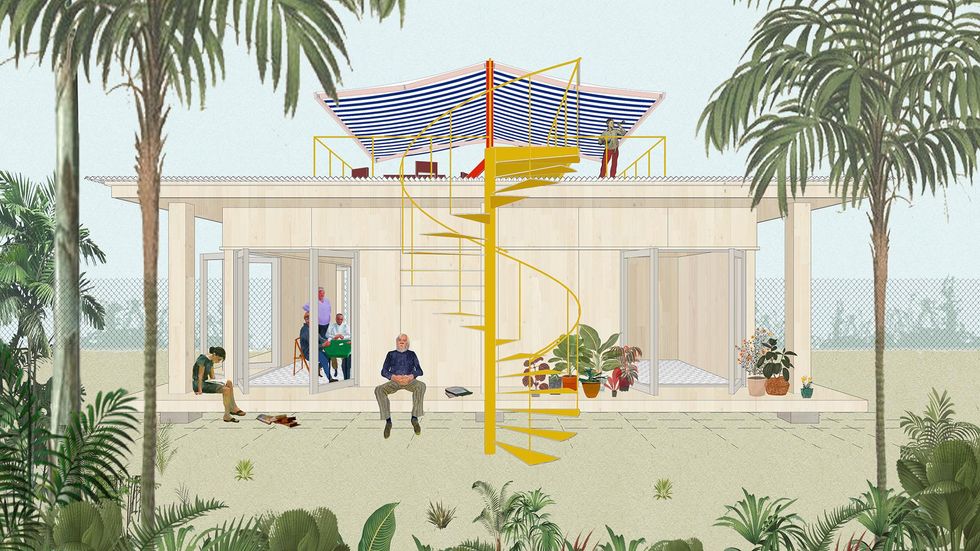
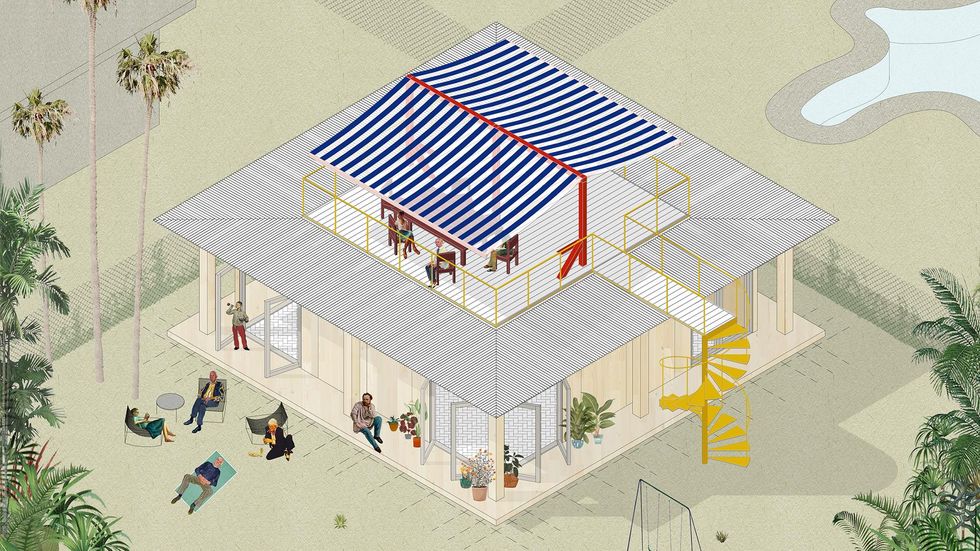
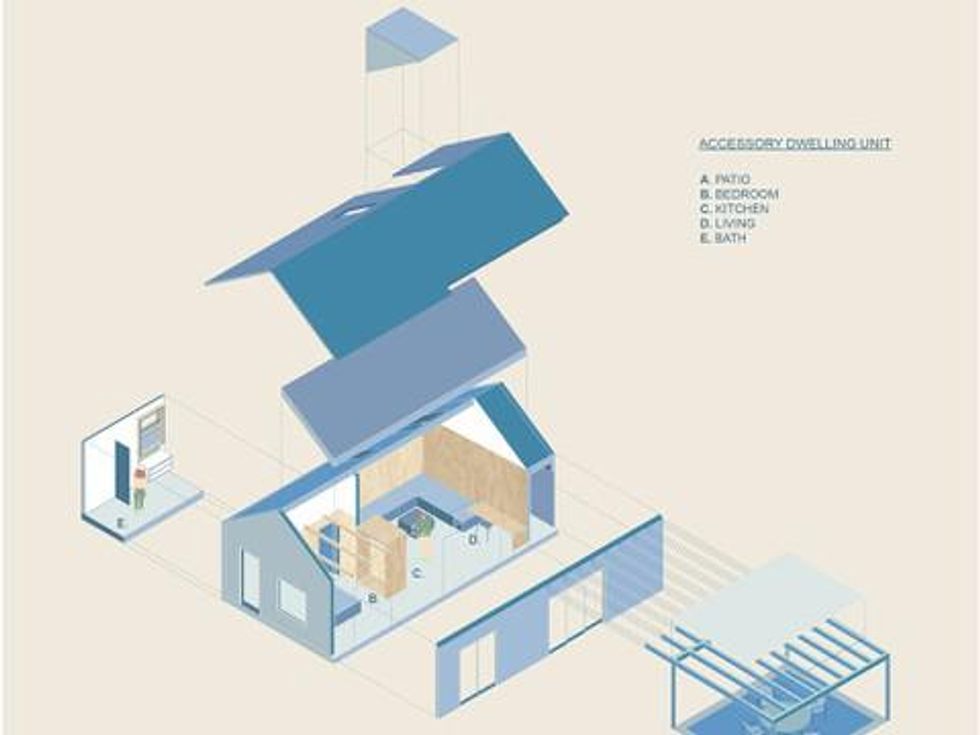
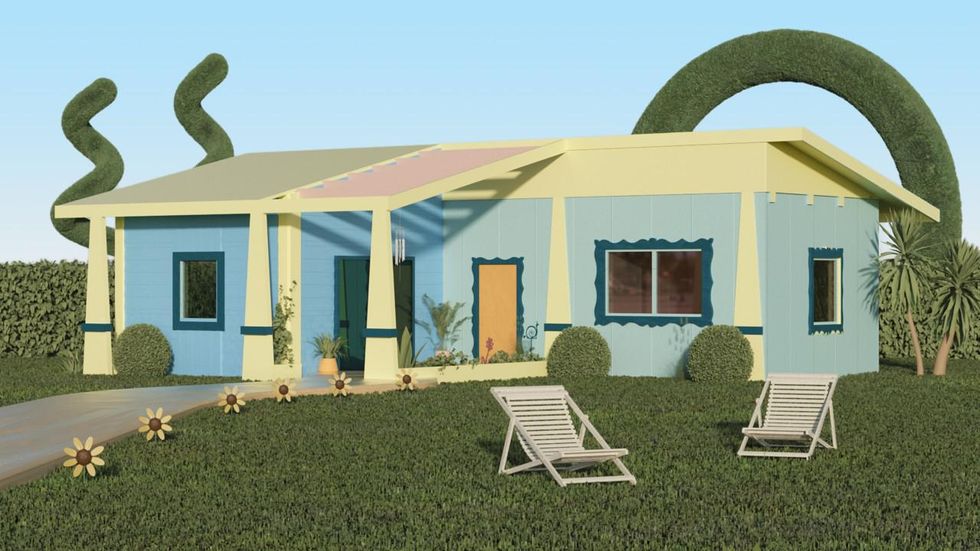
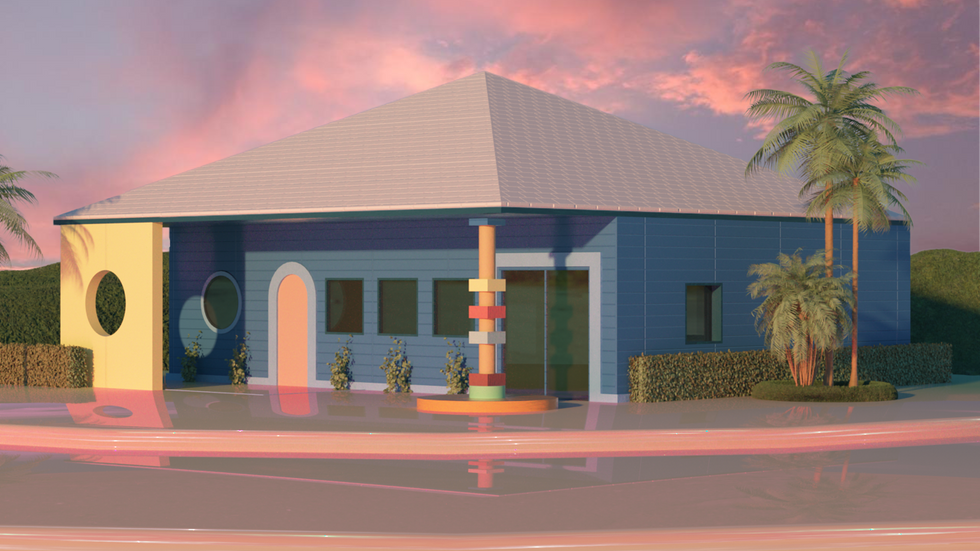
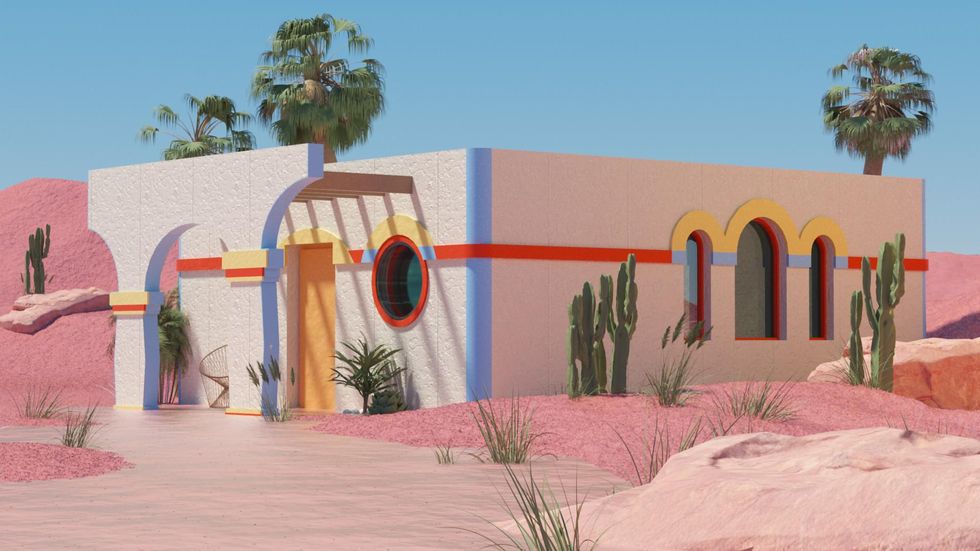
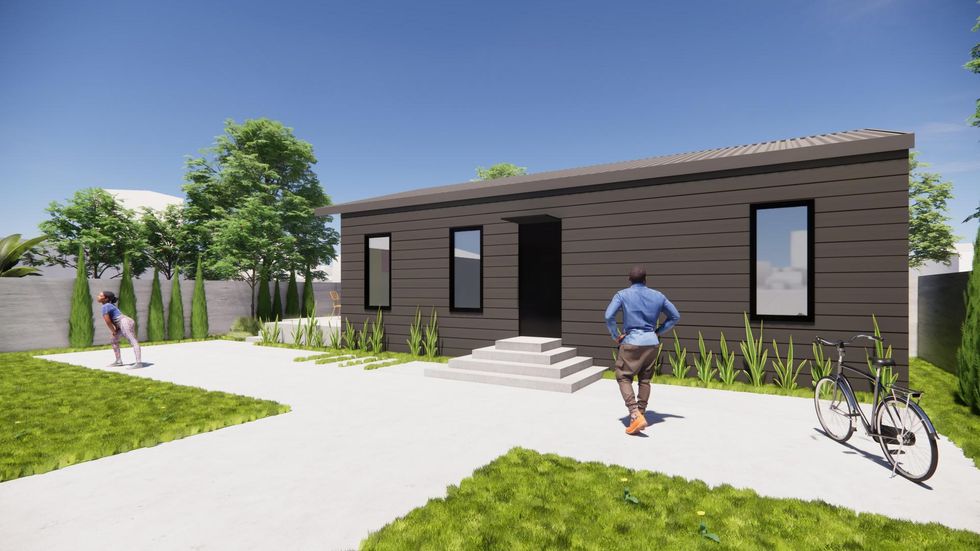
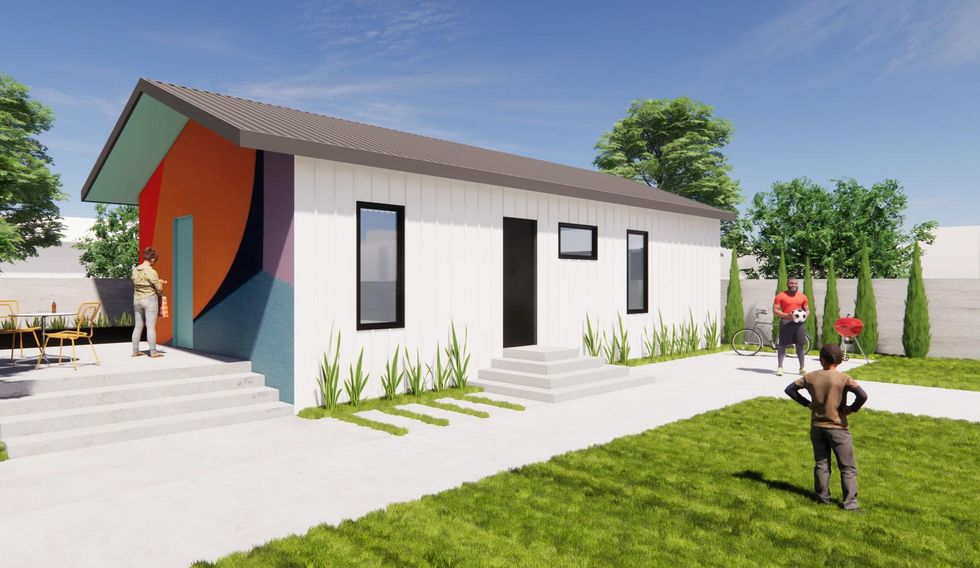
The designs for the stand-alone residences range from a 200-square-foot studio to a 1,200-square foot, two-story, two-bedroom unit. And many of the homes are filled with design flourishes, reflecting the diverse architecture of the city, from a house in the silhouette of a flower to one with a spiral outdoor staircase leading to the roof.
It's no surprise. The program was spearheaded by Christopher Hawthorne, a former architecture critic at the Los Angeles Times and now the city's chief design officer.
The firms are primarily local and startup architecture and design firms, while others are well-known with a history of building granny flats, also know as accessory dwelling units, or ADUs.
The standard plans avoid the Los Angeles Department of Building and Safety's typical four-to six-week review process and can allow approvals to be completed in as quickly as one day.
Some aspects of the plans can be modified to fit a homeowner's preferences. Eight other designs are pending approval.
Mayor Eric Garcetti believes by adding more such units, the city can diversify its housing supply and tackle the housing crisis. Recent state legislation made it easier to build the small homes on the lot of single-family residences. Since then, ADUs have made up nearly a quarter of Los Angeles' newly permitted housing units.
Because construction costs are relatively low for the granny flats – the pre-approved homes start at $144,000 and can go beyond $300,000 – the housing is generally more affordable. The median home price in L.A. County in January was $690,000.
Here's a quick look at the designs approved so far:
Abodu
Abodu
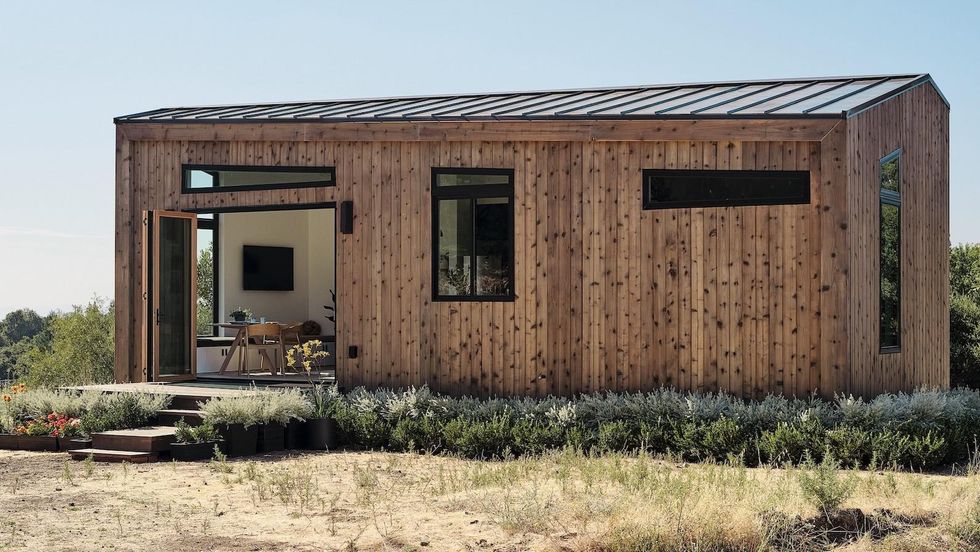
Abodu, based in Redwood City in the Bay Area, exclusively designs backyard homes. In 2019, it worked with the city of San Jose on a program similar to the one Los Angeles is undertaking.
In October, it closed a seed funding round of $3.5 million led by Initialized Capital.
It has been approved for a one-story 340-square-foot studio, a one-story one-bedroom at 500 square feet, and a one-story, 610-square-foot two-bedroom.
The pricing for the studio is $189,900, while the one-bedroom costs $199,900 and the two-bedroom is $259,900.
Amunátegui Valdés Architects
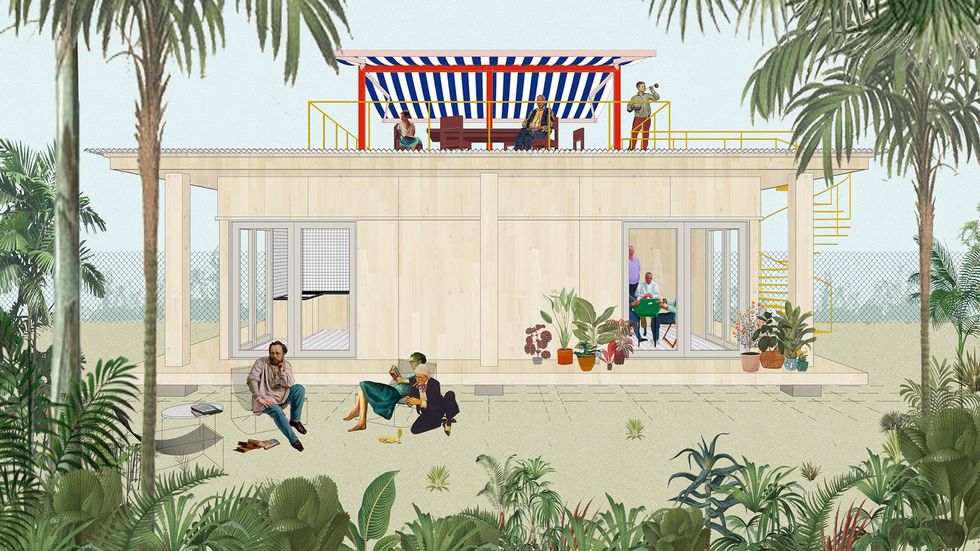
Led by Cristobal Amunátegui and Alejandro Valdés, the firm was founded in 2011 and has offices in Los Angeles and Santiago, Chile. Amunátegui is an assistant professor at the Department of Architecture and Urban Design at UCLA.
The firm designs work in various scales and mediums, including buildings, furniture and exhibitions.
Its one-story, two-bedroom with a covered roof deck 934-square-foot unit is pending approval from the city.


Connect Homes
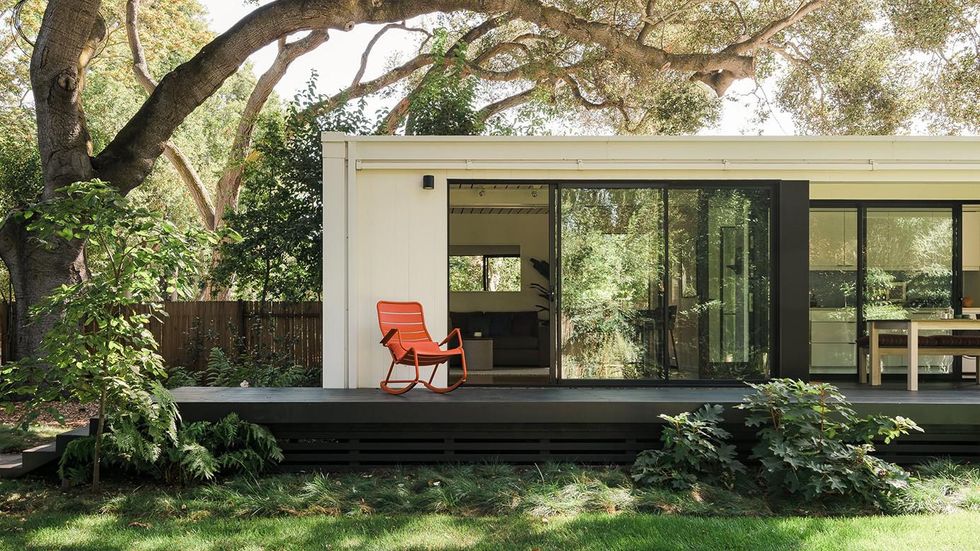
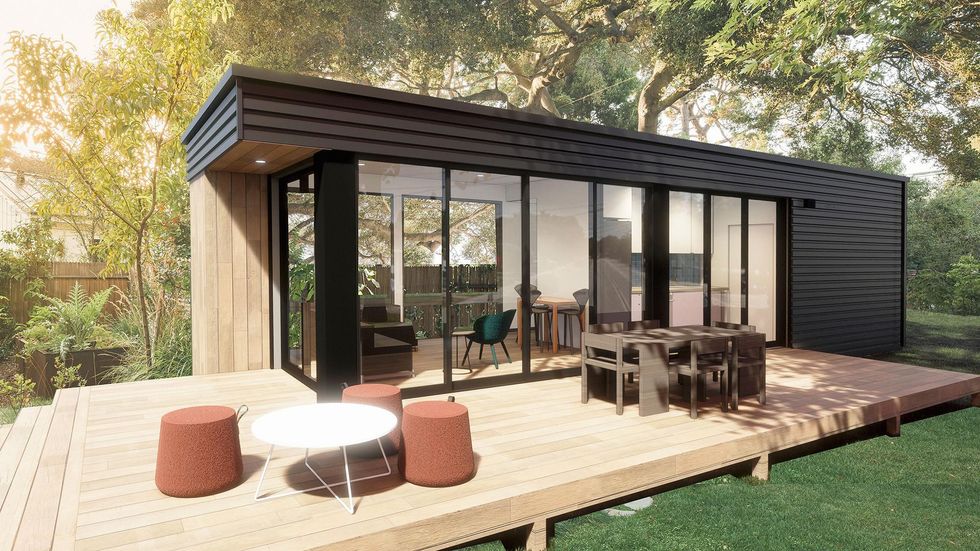
Connect Homes has a 100,000-square foot factory in San Bernardino and an architecture studio in Downtown L.A.
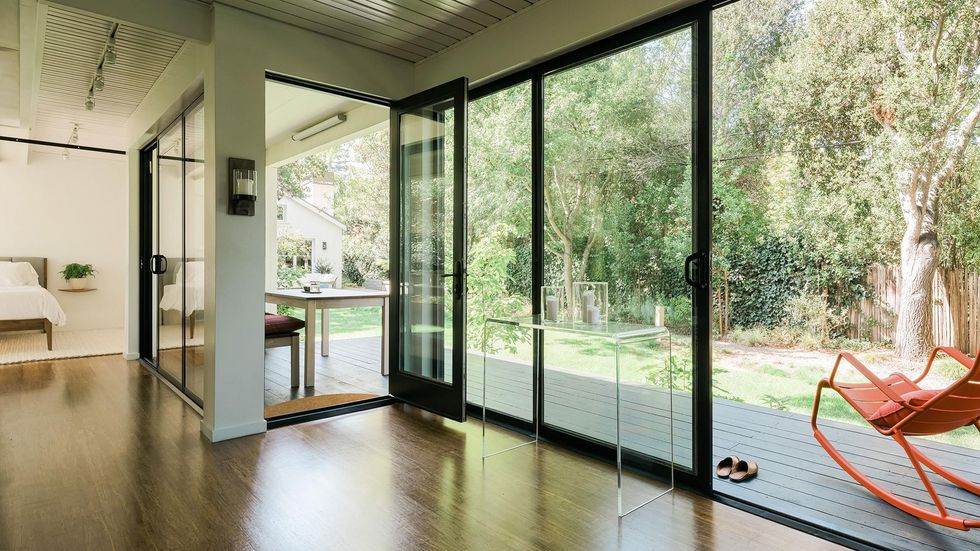
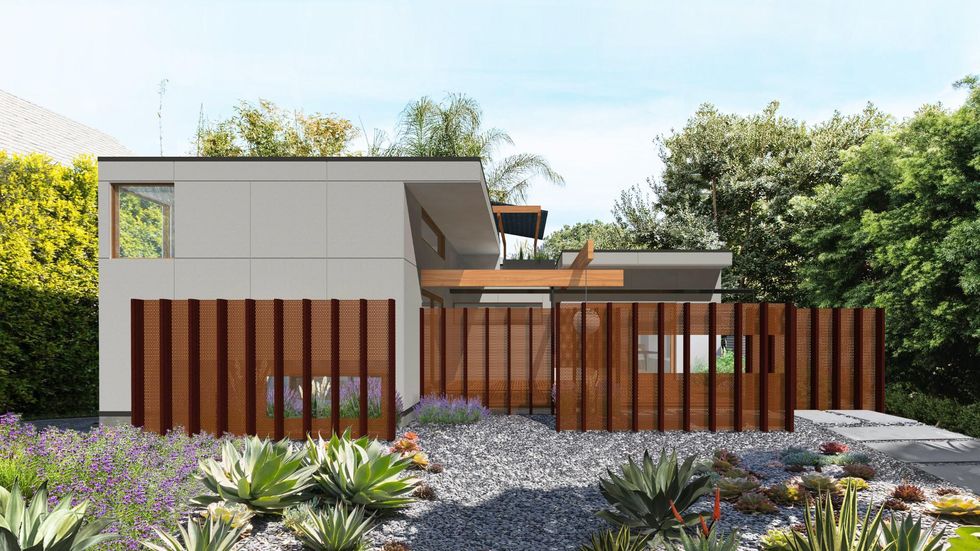
It specializes in glass and steel homes and has completed 80 homes in California. Its designs have an aesthetic of mid-century modern California residential architecture.
It has two one-bedroom models pre-approved by the city, one is 460 square feet, which costs $144,500 with a total average project cost of $205,000. The other is 640 square feet, which costs $195,200 with a total project cost of $280,000.


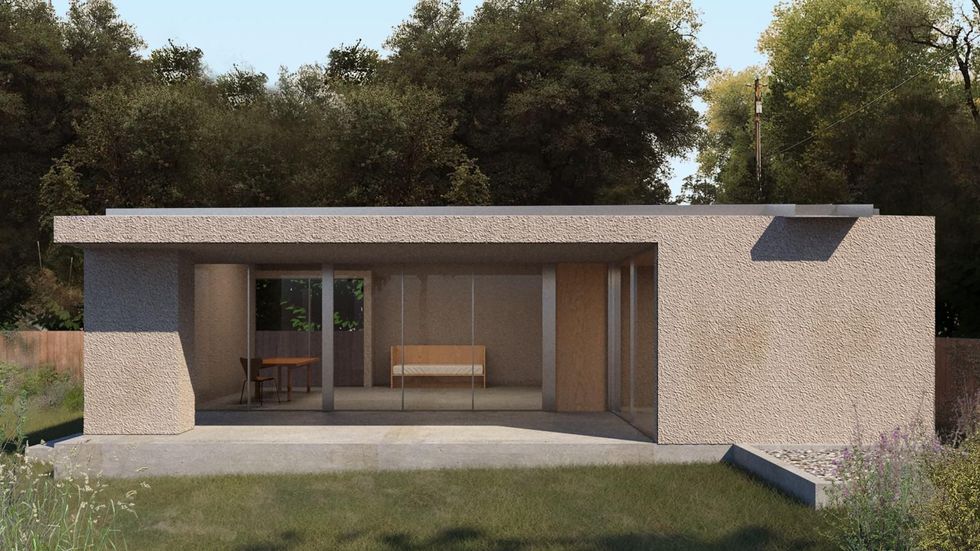
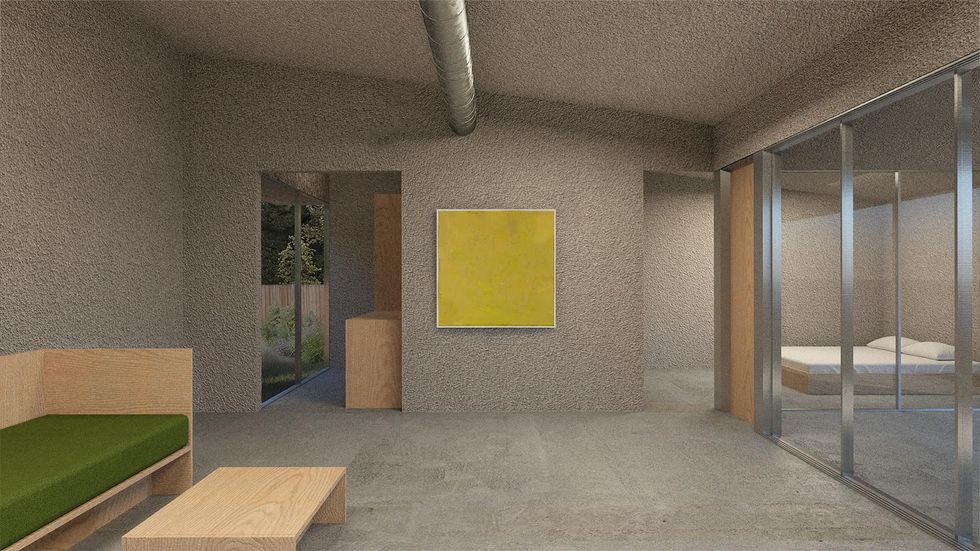
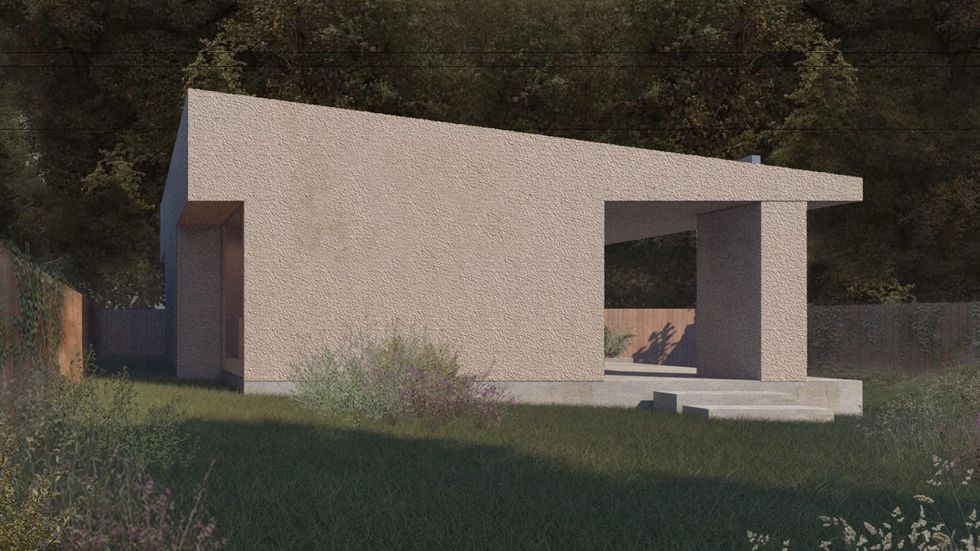
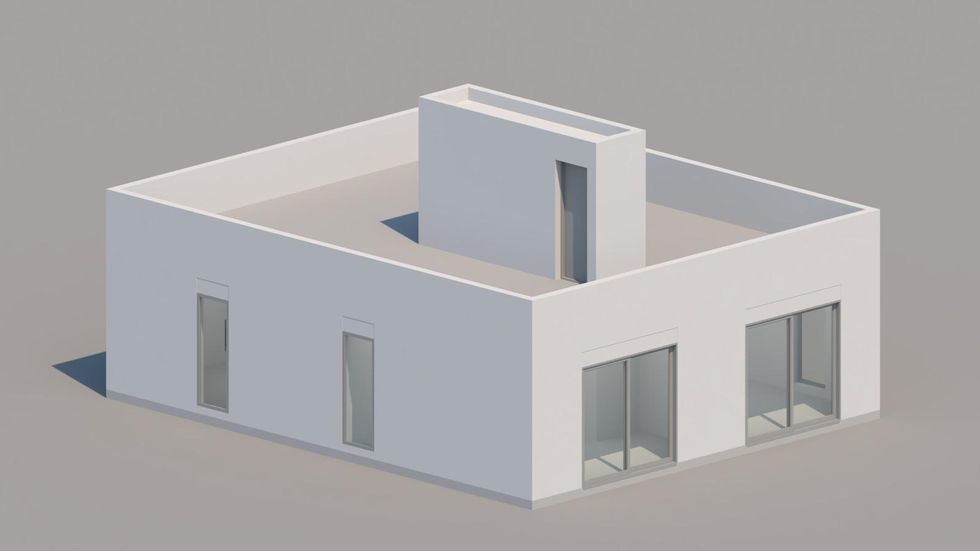
Design, Bitches
The Los Angeles-based architectural firm founded in 2010 describes itself as having a "bold and irreverent vision." Its projects include urban infill ground-up offices to single-family homes, adaptive re-use of derelict commercial buildings and renovations of historic landmarks.
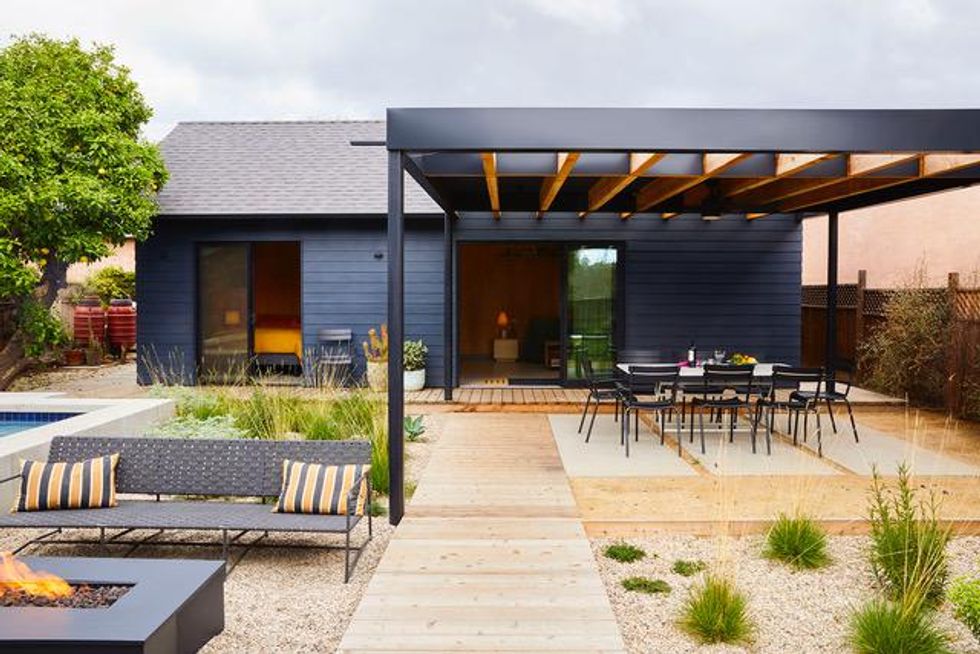
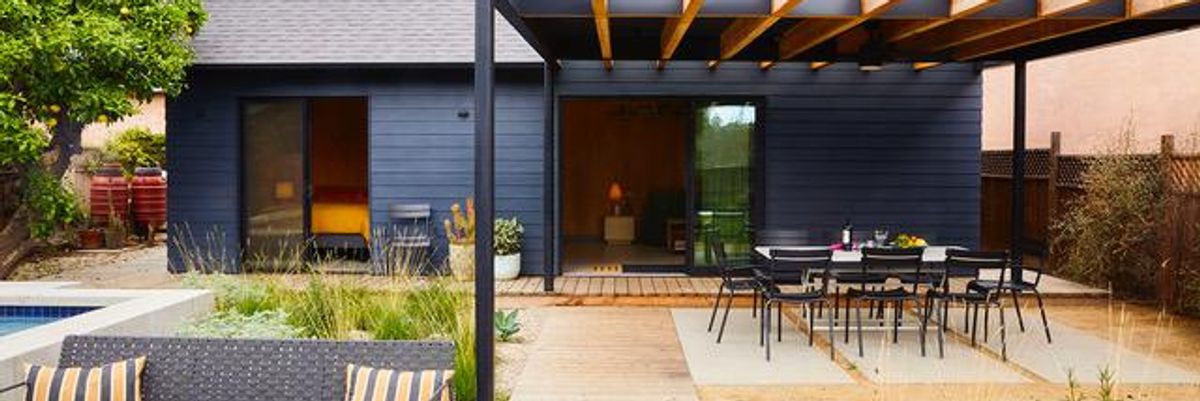
Its pre-approved design, named "Midnight Room," is a guest house/ studio. Its bedroom can be left open for a loft feel or enclosed as a separate room. The design is a one-story, one-bedroom at 454 square feet.


Escher GuneWardena Architecture
Founded in Los Angeles in 1996, Escher GuneWardena Architecture has received international recognition and has collaborated with contemporary artists, worked on historical preservation projects and more.
The company has been approved for two different one-story, one- or two-bedroom units, one at 532 square feet with an estimated cost of $200,000 and another at 784 square feet with an estimated cost of $300,000. The firm noted the costs depend on site conditions and do not include soft costs. Those could add 10% to 12% to the total construction costs.


First Office
First Office is an architecture firm based in Downtown Los Angeles. Its approved ADUs will be built using prefabricated structural insulated panels, which allow for expedited construction schedules and high environmental ratings.
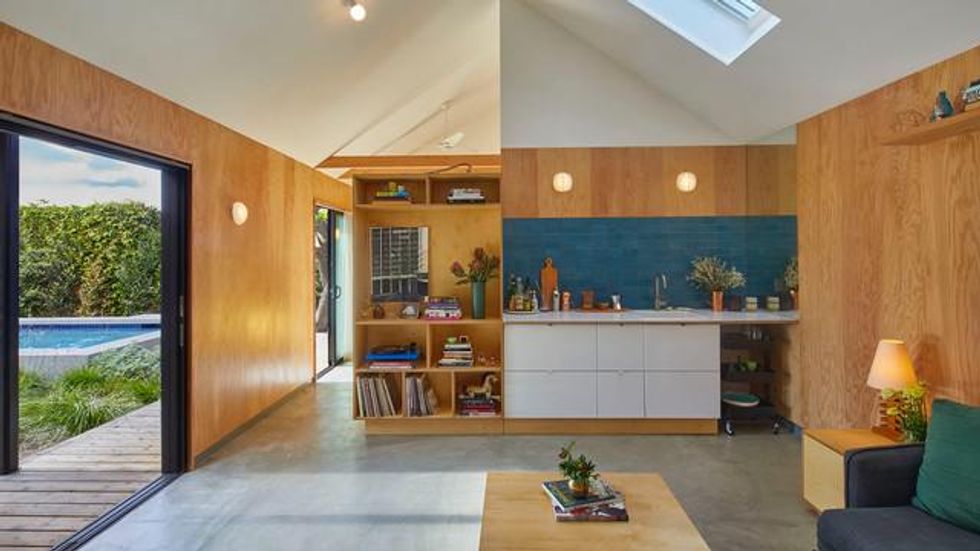
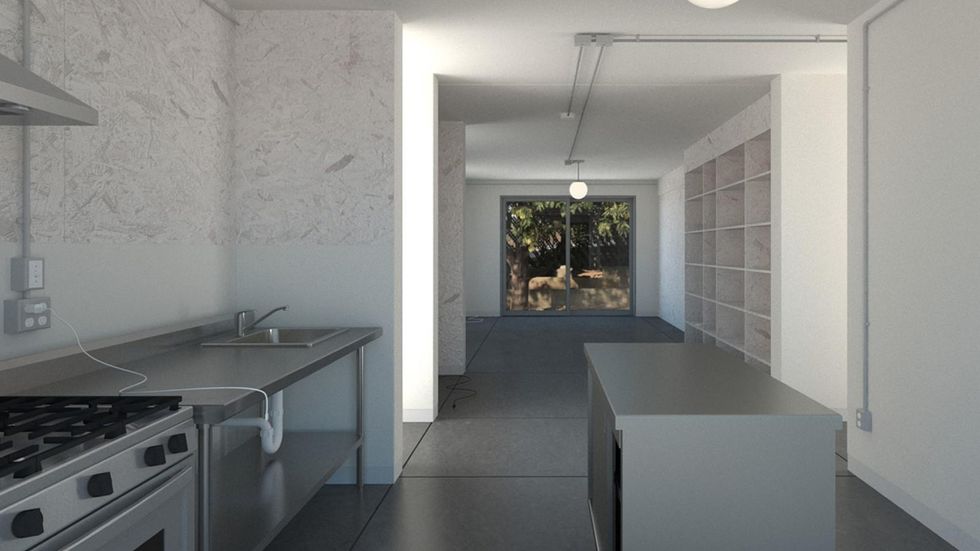
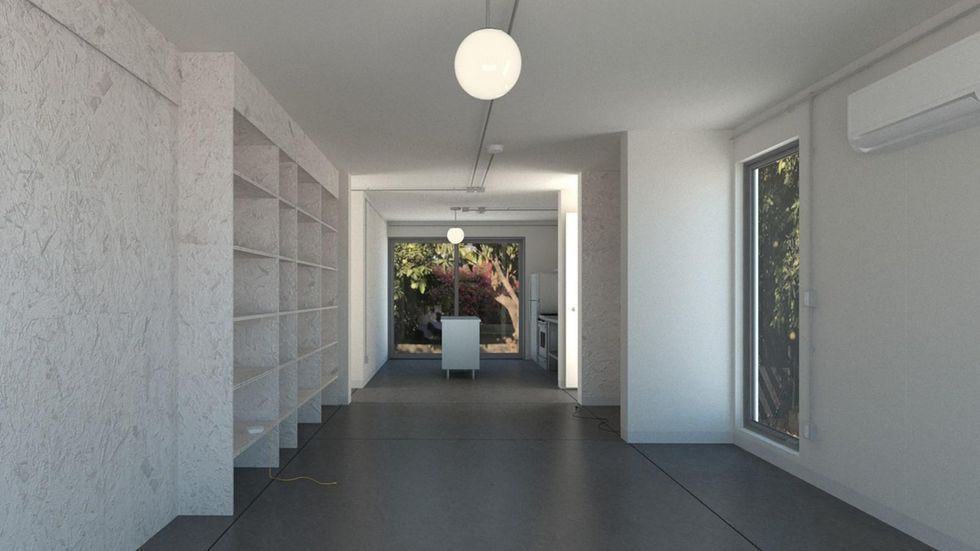
The interior finishes include concrete floors, stainless steel counters and an occasional element of conduit.
There are five options:
- A one-story studio, 309 to 589 square feet
- A one-story one-bedroom, 534 to 794 square feet
- And a one-story two-bedroom, 1,200 square feet


Fung + Blatt Architects

Fung + Blatt Architects is a Los Angeles-based firm founded in 1990.
The city has approved its 795-square-foot, one-story, one-bedroom unit with a roof deck. It estimates the construction cost to be $240,000 to $300,000, excluding landscape, site work and the solar array. Homeowners can also expect other additional costs.
Taalman Architecture/ IT House Inc.
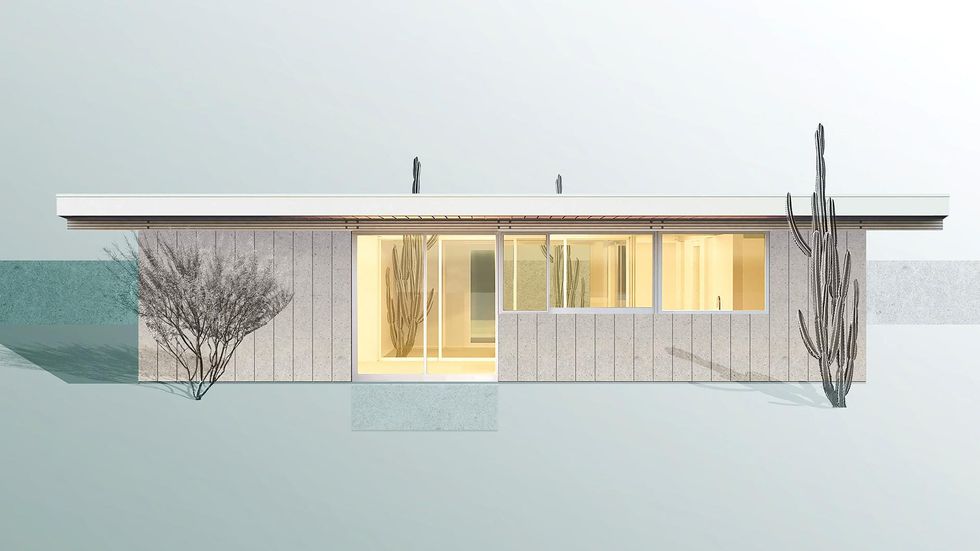
The design team behind "IT House" is Los Angeles-based studio Taalman Architecture. Over the past 15 years, IT House has built more than 20 homes throughout California and the U.S.
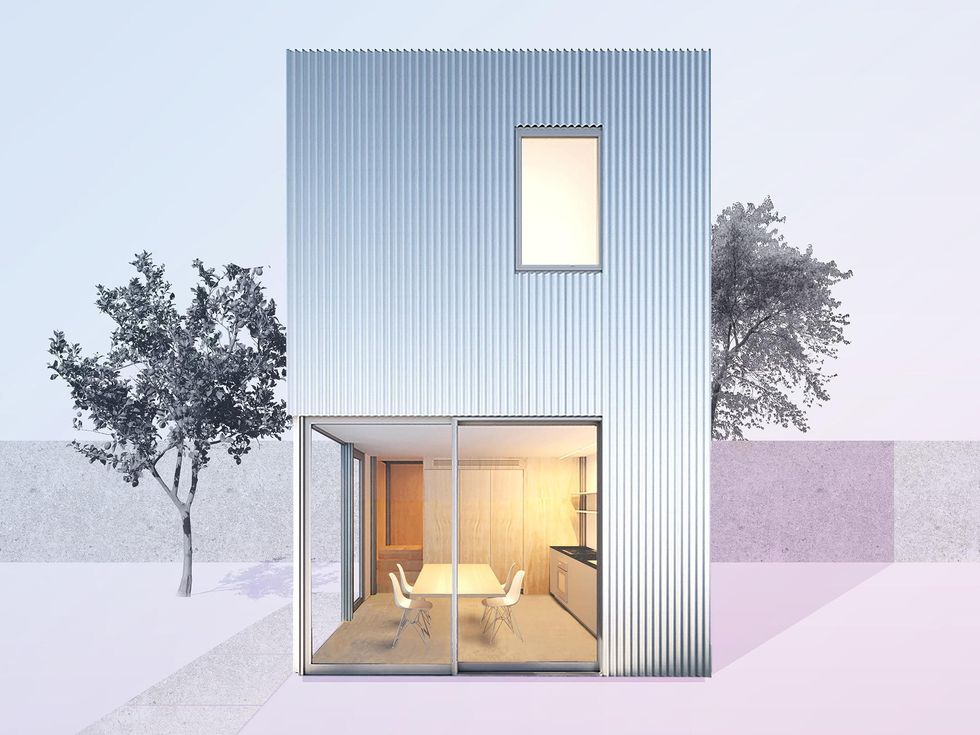
The IT House ADU standard plans include the tower, bar, box, cube, pod and court.
The city has approved four options, including:
- A two-story including mechanical room, 660 square feet
- A two-story including mechanical room, 430 square feet
- A one-story studio, 200 square feet
- A one-story including mechanical room, 700 square feet
The firm also has another two projects pending approval: a 360-square-foot one-story studio and a one-story, three-bedroom at 1,149 square feet.


LA Más
LA Más is a nonprofit based in Northeast Los Angeles that designs and builds initiatives promoting neighborhood resilience and elevating the agency of working-class communities of color. Homeowners who are considering their design must commit to renting to Section 8 tenants.
The city has approved two of LA Más' designs: a one-story, one-bedroom, 528 square feet unit and a one-story, two-bedroom, 768 square feet unit. The firm has another design for a one-story studio pending approval. That design would be the first 3D-printed ADU design in the city's program.


Jennifer Bonner/MALL

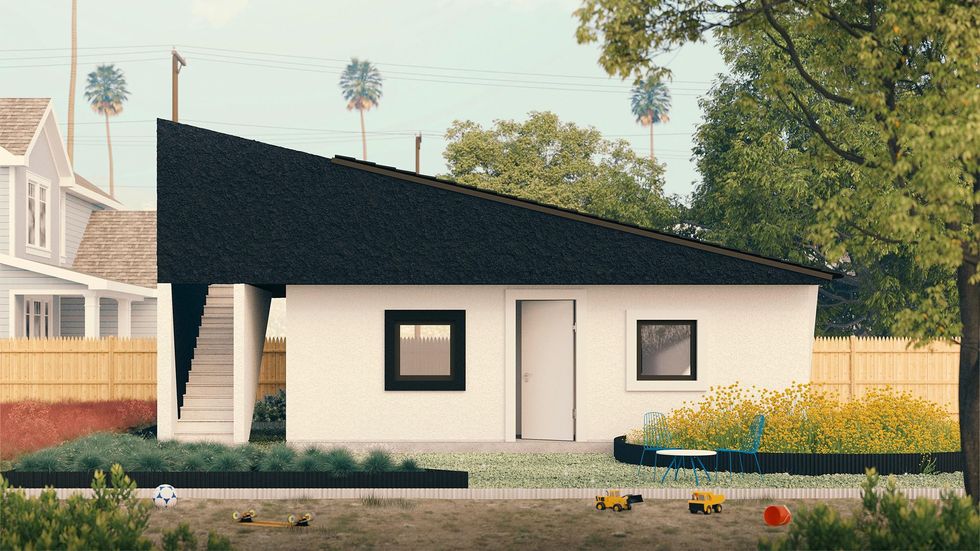
Massachusetts-based Jennifer Bonner/MALL designed a "Lean-to ADU" project, reinterpreting the stucco box and exaggerated false front, both Los Angeles architectural mainstays.
The design has been approved for a 525-square-foot one-story, one-bedroom unit with a 125-square-foot roof deck.
sekou cooke STUDIO
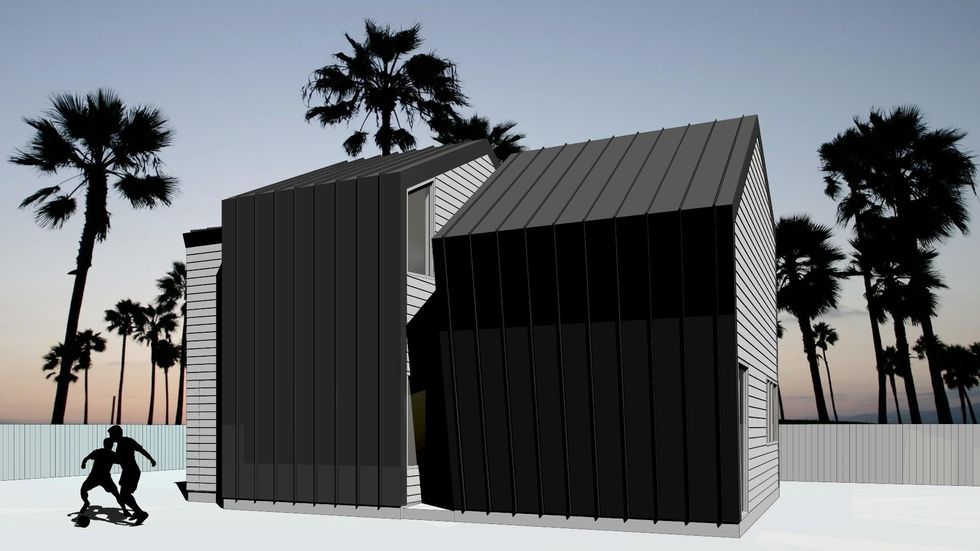
New York-based sekou cooke STUDIO is the sole Black-owned architectural firm on the project.
"The twisted forms of this ADU recalls the spin and scratch of a DJ's records" from the early 90s, the firm said.
Its design, still pending approval, is for a 1,200-square-foot, two bedroom and two bathroom can be adapted to a smaller one-bedroom unit or to include an additional half bath.
SO-IL
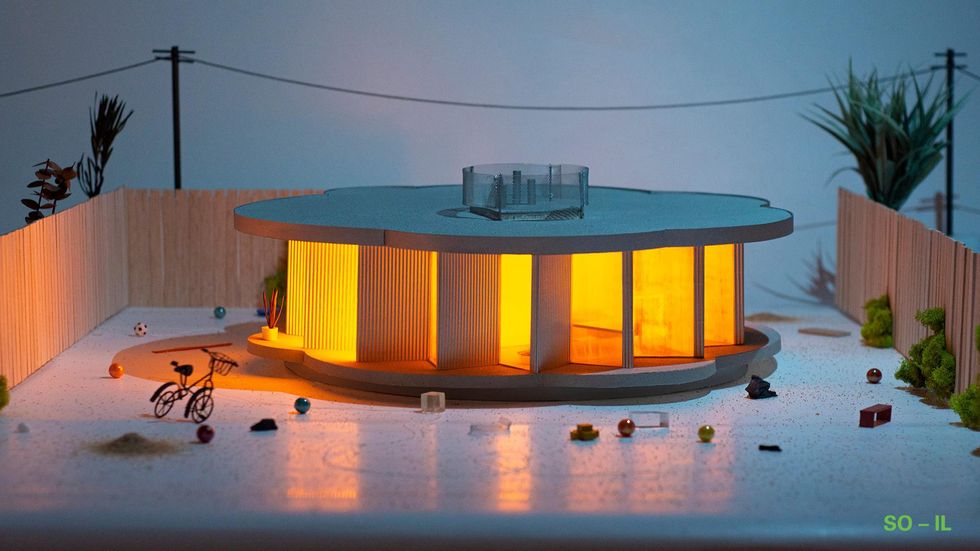
New York-based SO-IL was founded in 2008. It has completed projects in Leon, Seoul, Lisbon and Brooklyn.
Its one-story, one-bedroom 693-square-foot unit is pending approval. It is estimated the construction cost will be between $200,000 and $250,000.
WELCOME PROJECTS
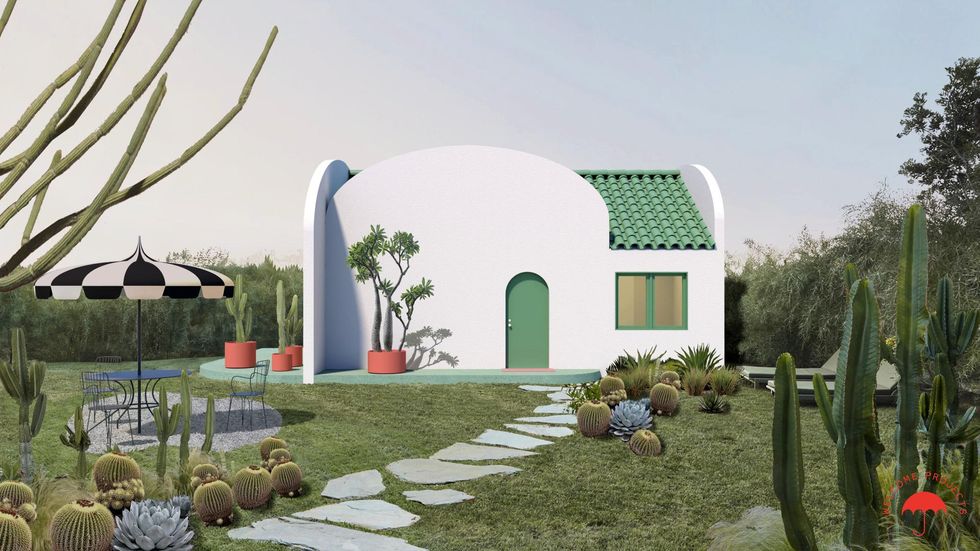
Los Angeles-based Welcome Projects has worked on projects ranging from buildings, houses and interiors to handbags, games and toys.
Its ADU is nicknamed The Breadbox "for its curved topped walls and slight resemblance to that vintage counter accessory."
It has been approved for a one-story, one-bedroom 560-square-foot unit.
wHY Architecture
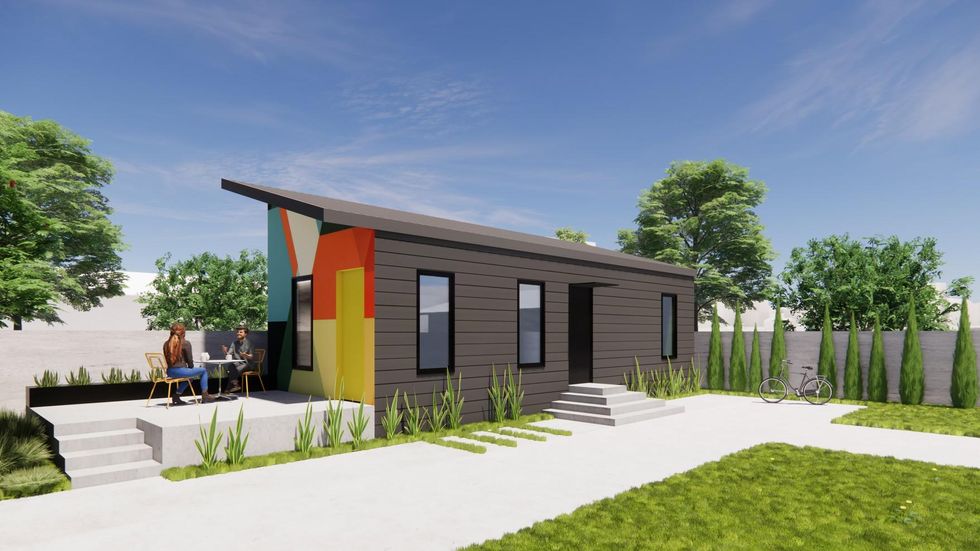
Founded in 2004, wHY is based in Los Angeles and New York City. It has taken on a landmark affordable housing and historic renovation initiative in Watts.
Its one-story, one- or two-bedroom 480 to 800-square-foot unit is pending approval.


Firms that want to participate in the program can learn more here . Angelenos interested in building a standard ADU plan can learn more the approved projects here.
From Your Site Articles
- United Dwelling Raises $10M to Address the Housing Shortage ... ›
- Plant Prefab Raises An Additional $30 Million - dot.LA ›
- How 3D Printing Could Help Tackle Homelessness in LA - dot.LA ›
- New Bills, New Startups Address Housing in California - dot.LA ›
- LA's ADU Culture Still Faces Financial Barriers - dot.LA ›
- What Will Take To Make Modular Homes Mainstream? - dot.LA ›
Related Articles Around the Web

Sarah Favot
Favot is an award-winning journalist and adjunct instructor at USC's Annenberg School for Communication and Journalism. She previously was an investigative and data reporter at national education news site The 74 and local news site LA School Report. She's also worked at the Los Angeles Daily News. She was a Livingston Award finalist in 2011 and holds a Master's degree in journalism from Boston University and BA from the University of Windsor in Ontario, Canada.
Meet the LA Startup Houses Building Companies Through Co-Living and Creative Energy
06:30 AM | October 07, 2021
Image courtesy of Launch House
Taking their lead from social media entrepreneurs who are creating content from mansions, a new breed of startup incubators and collectives are cropping up across Los Angeles. Their programs were built largely by young entrepreneurs trying to bridge the creator and startup worlds, speak to a generation that has grown up alongside social media.
Some are inspired by other co-living incubators or from founders who wanted to capture the creative energy those houses spawned.
In the Hollywood Hills, a collective started by two twenty-seven year-old entrepreneurs is helping seed-stage companies land funds and build up their products. Across town, a roving launch house focuses on building biotech entrepreneurs. Another is trying to foster breakthrough products in augmented reality.
Here's a run down of some of the most promising co-living concepts, along with their founders and the projects they're incubating.

Launch House
Launch House formed last year after one of its founders tweeted about an experimental gathering of entrepreneurs in Tulum, Mexico. Located in a sprawling Beverly Hills mansion, the hub puts a heavy emphasis on social media and influencer-driven business ideas and runs monthly cohorts of about 20 founders each, connecting them with creators to build up their social media game. Potential participants must apply and then pay an annual membership fee, which includes the four-week live-in residency program and access and introduction to investors and advisors. Participants have to be 18 years of age or older.
"Many creators want access to startup investing opportunities but either don't have a way into top deals, or get pitched so often they can't easily decipher what's a good investment," said co-founder Brett Goldstein, "On the reverse side of things, many founders see collaborating with creators as a great way to reach new target audiences because distribution is a hugely scarce resource."
Several Launch House residents have gone on to raise successful rounds from staid investors including Sequoia and Y Combinator, though a Business Insider report about a COVID outbreak after a recent party raised questions about the culture at the home.

Brazen Bio
Started by longtime friends Shawn Carbonell and Brent Witgen, Brazen Bio is a biotech incubator house based in Redondo Beach which also provides members with lab access to Bio Labs in Torrance.
Inspired by other launch houses, the two PhDs wanted to create the first biotech hub in Los Angeles that combines the region's creator economy with its budding scientists and entrepreneurs.
"Part of our goal is to make it one of the top biotech hubs through us being here. As BioscienceLA Chief Executive Officer Dave Whelan would say, 'we're long L.A.'," said Carbonell, "Most companies need to also become media companies to stay relevant, and where better than Los Angeles for that?"
Four startups were accepted in the first round of what Brazen Bio is calling its 'BRZN1 cohort. The program started last month and runs through December. It's replete with a full line up of founder dinners and mixers, access to Bio Labs' equipment and weekly office hours. The founders aren't yet making seed investments but will be establishing a fund for 2022.
Carbonell said they are trying to find ways to promote Brazen through Discord and social media to Gen-Z entrepreneurs and encourage a new generation to enter the STEM field.

house.ai
The 27-year-old co-founders Robbie Figueroa and Luciano Arango moved from the Bay Area to Los Angeles, where they saw a maturing tech scene they thought could be a good place to build startups. The two convinced their tech friends to make the trip down to the Hollywood Hills, where they created a collective and early-stage fund called House.ai.
House.ai doesn't offer a full-time residency like Launch House. Instead, it sees itself as a place where founders can gather to co-work. Figueroa, a general manager for DoorDash in Puerto Rico, and Arango, a co-founder of San Francisco-based ScopeAI, both live in the house. There's no formal application for House.ai — instead, Arango and Figuero select premiere founders and operators to join them.
In the past year, House.ai has provided co-working space for 37 founders. The program connects them with early-stage venture capital and helps them recruit talent and connect to engineers. Figuero and Arango have so far invested in six of the companies — including cannabis wholesaler Nabis, a Y-Combinator-backed company.
Figuero considers House.Ai an industry-agnostic incubator, though its startups tend to gravitate towards fintech, fulfillment and delivery services, along with some consumer and business-to-business companies.

AR House
The AR House was born out of a tweet from augmented reality developer Aidan Wolf: "anyone organizing a house for snapchat lens creators? Would love to do something like that here in LA."
The response was overwhelming. Among those who reached out was AR creator Lucas Rizzotto.
The team quickly coalesced around the idea of a house dedicated specifically to AR creators and developers. L.A., home to AR juggernaut Snapchat, had more than enough talent. Within a week, the two had met their funding goal, much of it coming from the AR community.
Creators must be 18 years old or older to apply. AR House's founders don't take equity in the companies they help launch, but they do help provide participants with AR hardware to support their projects.
The cohorts will have access to a four-week session complete with dinners for founders, meet-and-greets with investors and other programming. The house doubles as an exhibition space for augmented reality projects, too. AR's first cohort started on October 5 and they signed a six-month lease to their Hollywood Hills house.

Rocketship House
Bay Area native and consumer tech founder Katia Ameri and YouTuber Elijah Daniel bootstrapped Rocketship House in November 2020. The house, based in the Hollywood Hills, boasts a stunning view of Los Angeles and an acre-long vineyard where participants are encouraged to collaboratively contribute to projects focused on the creator economy.
Ameri brings a hard-tech background. She raised $2.2 million for her telehealth platform, Mirra, an at-home allergy diagnosis service, before the pandemic started. Daniel brings social media savvy and a knack for making viral videos. The two say they are focused on projects that help creators develop content distribution and revenue streams.
Rocketship's residents have included musician Trevi Moran, musical artist and YouTuber Sam F and nicotine company Lucy co-founder Samy Hamdouche, whose startup is backed by Y-Combinator.
Daniel and Ameri aren't interested in taking equity. Instead, the pair said the want to focus on building a community of creators and tech entrepreneurs. There's no formal application, though interested founders and creators can reach out to Ameri via Twitter to join. The two say they are flexible about how long creators or founders can stay in the house. After experimenting with co-living, Rocketship House's founders said they're pivoting toward a model that will instead seek to foster a digital community and provide a physical workspace.

ADVNTR House
Advntr House was created by the co-founders of a college party app Dive.Chat, Michelle Fang and Kyle Brastrom. Its Gen-Z cohorts have served as founders of a wide variety of consumer, healthcare, fintech and media startups.
"A majority of the people that have entered ADVNTR House have either quit their full-time job, ended a relationship of over a year or dropped out of college," Brastrom said, "People kind of come into the house and then realize 'wow, there's so much opportunity out there'."
Participants live in ADVNTR's Melrose home, but the group also travels to destinations like Big Bear, California and Arizona. Every cohort shares the expenses and collectively develops the group's activities. There's a formal application and interview process to join ADVNTR. The cohort program lasts about eight weeks.
Fang and Brastrom organized L.A. Tech Week, a collaboration with other tech houses including House.ai, Launch House and Together Casa, a real estate startup organizes co-living houses for tech entrepreneurs, creators and other interest-focused communities.
Know of other startup houses around Southern California? Let us know!
From Your Site Articles
- Launch House Accelerator Expands to New York and Beyond - dot.LA ›
- Brazen Bio Incubator Wants to Build More Scientist CEOs - dot.LA ›
- A TikTok Mansion for Startup Founders. Launch House Isn't What it ... ›
- Los Angeles’ Top Startup Incubators and Accelerators - dot.LA ›
- Launch House Is Raising a $10 Million Fund - dot.LA ›
- Launch House Raises $12 Million to Expand into the Metaverse - dot.LA ›
- Hype, Hustle and the Creator House Concept - dot.LA ›
- Positive Food Company's Alternative to Meal Delivery - dot.LA ›
- Launch House Harassment Claims Show the Need for Startup House HR - dot.LA ›
Related Articles Around the Web
Read moreShow less
brazen biolaunch househouse.aiar houseadvntr housetogether casaaugmented realityartificial intelligenceinfluencer economylos angeles tech scene
Katherine Abando
Katherine Abando is a lifestyle writer and social media producer from Los Angeles. Her coverage interests include internet culture/tech and Asian American Pacific Islander (AAPI) identity. She enjoys learning about emerging entrepreneurs and digital trends that pop up on her social media feed. Follow her on Twitter @kaband0.
https://twitter.com/kaband0
https://www.linkedin.com/in/katherineabando/
We’re Talking About Self-Driving Cars the Wrong Way
05:00 AM | February 21, 2023
courtesy of Waymo
In 2013, one of my first assignments in graduate school was to read an article in The New Yorker about Google’s new autonomous car. Back then it sounded like autonomous vehicle (AV) technology was just around the corner—that we stood on the precipice of some new golden era in transportation where cars would form fuel-efficient caravans on highways and parents could send those cars to pick the kids up at school without having to leave the office early. People with disabilities would have access to new levels of personal freedom. Traffic accidents would be a thing of the past.
Now, a full decade later, exactly none of those things have come to pass, and in the process autonomous vehicles have become emblematic of the tech companies’ tendency to over-promise and under-deliver. “Self-driving cars have been one year away for ten years,” the joke goes.
And no company has felt this scorn more directly than Tesla. The electric vehicle giant has endured a series of high profile missteps related to its autonomous technology, and CEO Elon Musk has been extremely incorrect about the timeline for its implementation. Last week Tesla announced a recall of 363,000 vehicles due to issues with its full self-driving software, which, despite its name, does not even offer full self-driving.
This is all to say that it was not without some trepidation that I decided to accept an invitation earlier this month to a ride in Waymo’s autonomous vehicle. Waymo began as the “Google Self-Driving Car Project” in 2009–four years before I’d read the New Yorker Story. The company changed its name and became a subsidiary of Alphabet Inc (Google’s parent company) in December 2016. Waymo is headquartered in Mountain View, CA, which would ordinarily put it outside the watchful purview of dot.LA, but the self-driving start up is setting up shop in Santa Monica.
I meet Waymo Communications Manager Sandy Karp and product manager Vishay Nihalani a few miles from the Pacific Ocean at Virginia Avenue Park around 10am. They’re standing outside a white Jaguar E-PACE equipped with an ostentatious array of cameras, lidars, and radars. Our plan is to have the car drive us to a donut shop on Wilshire Blvd, get a donut, rendez-vous with the car again, and instruct it to chauffeur us back to the park.
The trip begins with the press of a button on a touch screen on the back of the center console. The elephant in the room (or in this case the car), is that there’s actually a person in the driver’s seat. Lindsay Alara, an Autonomous Specialist for Waymo, keeps her fingertips lightly in contact with the steering wheel and her feet waiting near the pedals just in case the vehicle does something it shouldn’t.
In Arizona, Waymo has been running its fully autonomous ride hailing operation with no human present in the car since as early as 2020. But California’s stricter regulatory environment means that her job is safe here, for now.. Waymo is applying for the necessary permits to move the system to fully autonomous, but the process is likely to take months, says Nihalani. The company is spending that time training and validating its AI in new neighborhoods.
“We've expanded in the cities that we're operating in,” says Nihalani. “In San Francisco we’re driving 24/7; in downtown Phoenix we’re driving 24/7. We're driving an increasing set of road speeds, weather conditions, so on and so forth,” says Nihalani. With its primary education complete in Arizona, Nihalani says the AI is picking up the subtleties driving in Los Angeles and San Francisco quite quickly. “That’s something that we're really excited by, I think it’s what's enabling an acceleration of momentum, which may have been different than what we've seen in the past few years.”
Waymo’s city-by-city, street-by-street approach to autonomous driving illuminates a paradigm shift in the way we need to think about the technology, says, Alex Bayen, a transportation and systems engineer at Berkeley. Autonomous driving will probably never be something that’s “solved” all at once, but rather something that develops over time. “I think the right way to look at things is that every year there are more and more use cases where an increased level of automation has become a reality,” says Bayen. “Every company which is trying to grab some real estate in this new technological world, what they're doing is they're trying new use cases. Autonomous vehicles are not going to go everywhere initially, and they are not going to be there all the time. They are only going to operate in specific conditions.”
As that envelope of use cases pushes outward, Bayen and other researchers say now is the time to talk about how autonomous vehicles should be regulated. As easy as it is to imagine the benefits of driverless cars, it’s equally easy to imagine the potential for pitfalls.
Ride sharing services, in general, have been shown to increase traffic and congestion in cities. So the potential for fleets of unoccupied “ghost cars” to exacerbate Los Angeles’ already abhorrent traffic conditions should be a real concern for policy makers today. Likewise, for private owners, it may prove cheaper to send a vehicle back home during the work day rather than pay for parking at the office. Or the convenience of autonomous vehicles may make it tempting for parents to use one to chauffeur their kids to school rather than have them take the bus. All of these scenarios would worsen traffic and increase emissions–even if the cars are electric. In one study, researchers at the University of Washington found that AVs could either cut our greenhouse gas emissions roughly in half or double them, depending on how the technology is implemented.
“There's a potential for real net positive, if we get leaders in the public sector and the private sector to work together to ameliorate some of those known problems that we suspect will happen,” says Ben Clark, a professor of public administration planning, public policy and management at the University of Oregon. “We don't want to be in the same position as we were when Uber came to town and we were very reactive.”
According to Clark, state governments should be thinking about how to tax or charge for miles driven by unoccupied vehicles and how to incentivize sharing individual vehicles between multiple people, families, or groups. As the use case envelope for autonomous vehicles expands, the model for car ownership may have to change in order for us to actually reap the benefits. The never ending delays to autonomous vehicles may be frustrating or amusing to consumers, but they also should be giving policy makers ample time to see these issues coming. “It's actually an invitation to elected officials to look at this and figure out how to not have a jungle, but how to have a well organized garden where things work properly,” says Bayen.
On our donut run, the vehicle moves cautiously and smoothly; it navigates streets lined with parked cars and turns with poor visibility. It identifies and avoids construction cones. It deftly changes lanes and passes unloading trucks.
Riding in an autonomous vehicle invites you to see the streets with fresh eyes, and suddenly it becomes easy to see why the technology has taken so much longer to arrive than we might’ve expected. Our roads are littered with “edge-case” obstacles. Other drivers don’t always follow the exact rule of law; people go out of turn at 4-way stops; cyclists filter through traffic at red lights, pedestrians jaywalk; emergency vehicles trump all the rules. “The California Stop is a real thing,” jokes Nihalani.
Still, none of that explains one strange moment as we cross over the 10 freeway where the car begins to slow down as we approach a greenlight even though there’s no obvious sign of danger or obstacle in our path. I instinctively look over my shoulder to see if someone is going to rear end us, but the moment passes quickly and the car–for whatever reason–decides the way forward is safe once more. While Alara never has to intervene, it’s a small reminder that the technology is still on its way.
Are we there yet? We’ll get there when we get there.
From Your Site Articles
- Motional Links With Uber to Make Robotaxis a Reality ›
- Autonomous Vehicle Companies Doubled Their Testing Miles In California Last Year ›
- Motional Will Double Its Staff As It Begins Testing Autonomous Vehicles in Santa Monica ›
- The Evolution of LA’s Robotaxi Industry: A Timeline ›
- 🚙 DotLA's Experience in Waymo's Self-Driving Car - dot.LA ›
Related Articles Around the Web
Read moreShow less
David Shultz
David Shultz reports on clean technology and electric vehicles, among other industries, for dot.LA. His writing has appeared in The Atlantic, Outside, Nautilus and many other publications.
RELATEDTRENDING
LA TECH JOBS